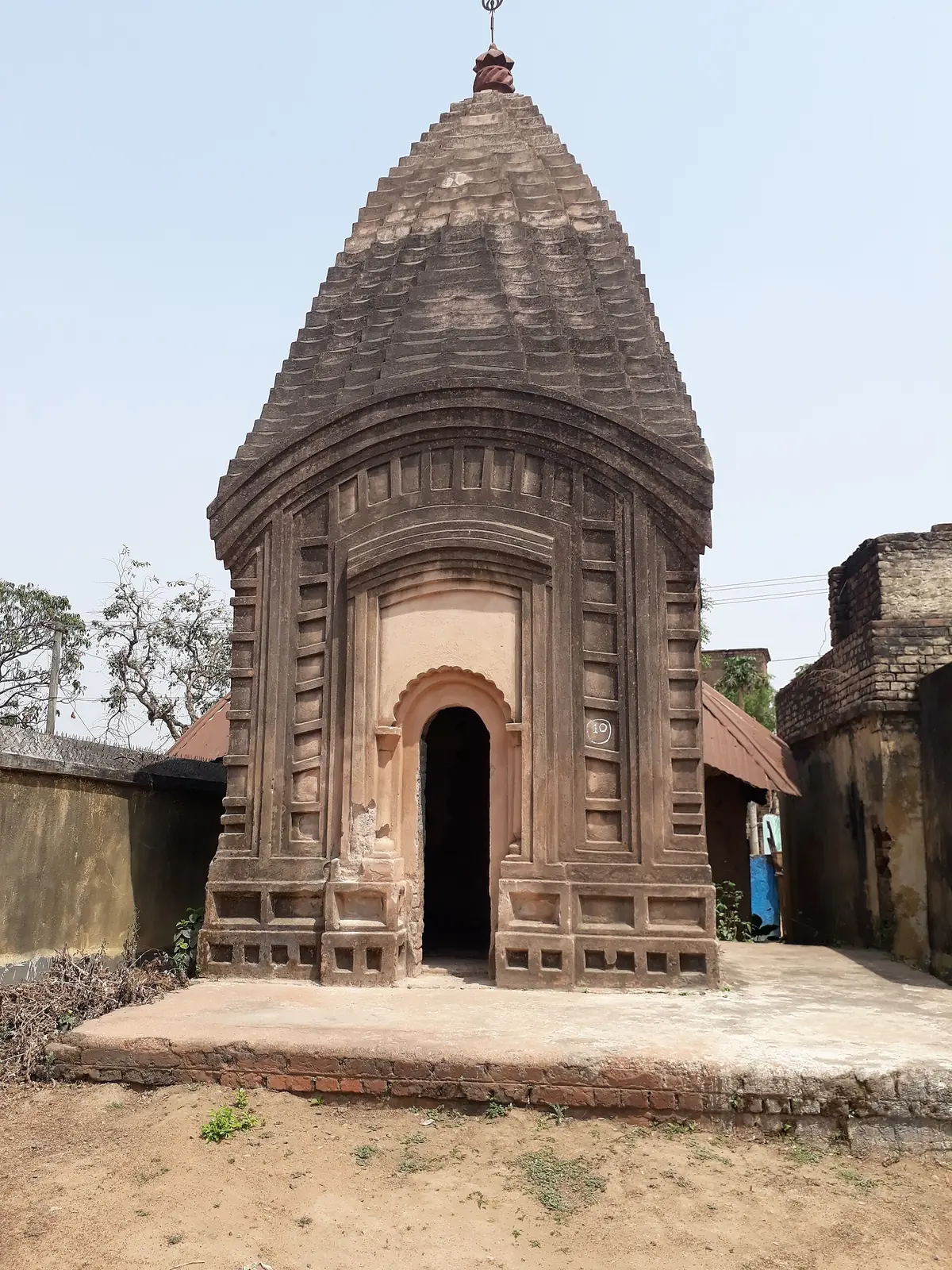
01A village of temples
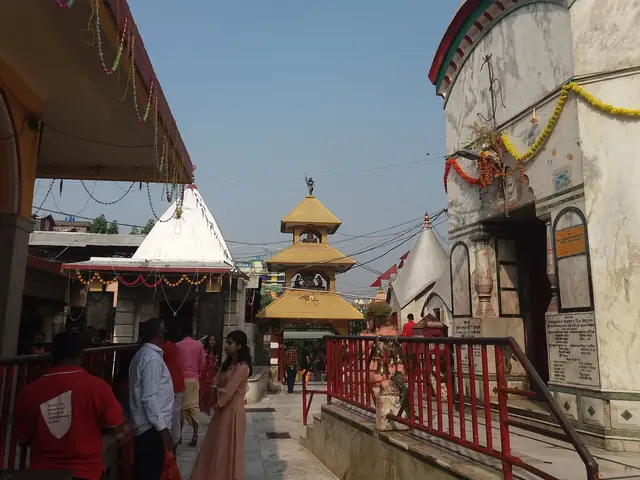
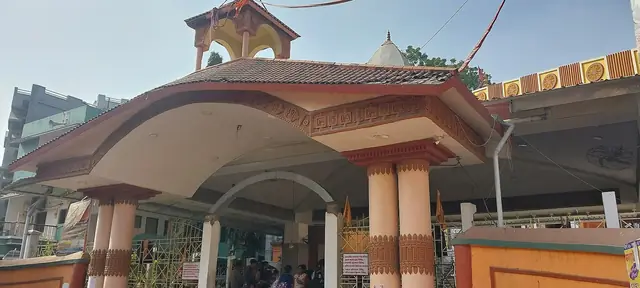
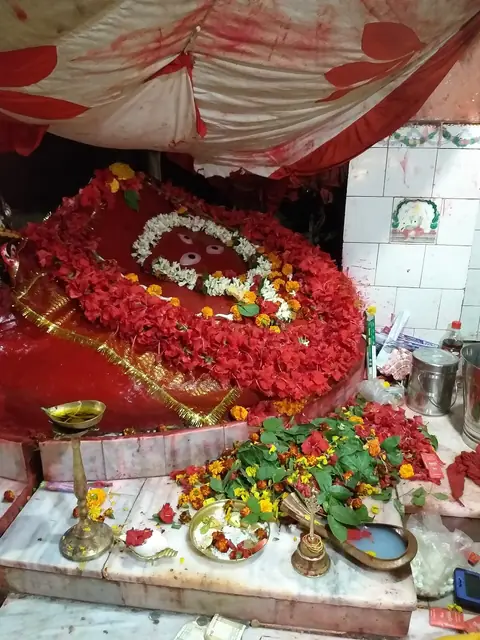
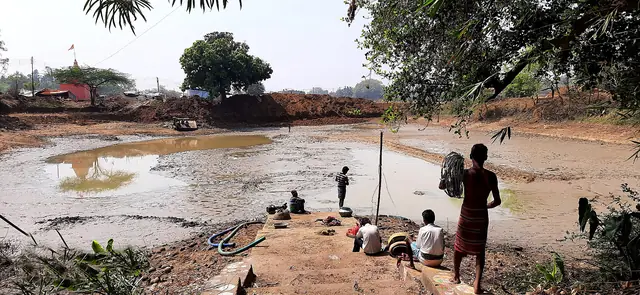
The rajas of Maluti, of the Baj Basanta line, divided into several branches, and each branch built its own temples near its own house, in the char-chala and ratna styles of Bengal. So the temples stand in clusters along the lanes, between ponds and courtyards, rather than in one compound. Most hold a Shiva linga. The terracotta on their fronts shows Rama’s battle with Ravana, Krishna’s leelas, the ten avatars and scenes of village life. Maa Mauliksha, the village Devi, has her own temple, and the place is linked by local tradition with the Tantric seat of Tarapith nearby.
02Fragile brick
Brick and lime suffer in the monsoon, and many of the temples lost their spires and panels in the last century. Conservation work by the state and by heritage groups has repaired a number of them since the 2010s. Kali Puja is the village’s great night. Each spire, each panel was paid for by one family branch, so the temples also record the rivalries and pieties of a small royal house, and many still carry the names of their builders in short Bengali inscriptions over the door.
The life of this place
- 17th–19th centuryThe rajas of Maluti and their branches build the terracotta temples.
About 55 km from Dumka and 15 km from Rampurhat in West Bengal, the nearest railway station.