
The arts of Bharat
Dance, music, theatre, painting, sculpture and the great crafts: where each began, the texts that set its rules, the patrons and masters who carried it, and where you can see it today.
40Kala: the arts
Classical dance
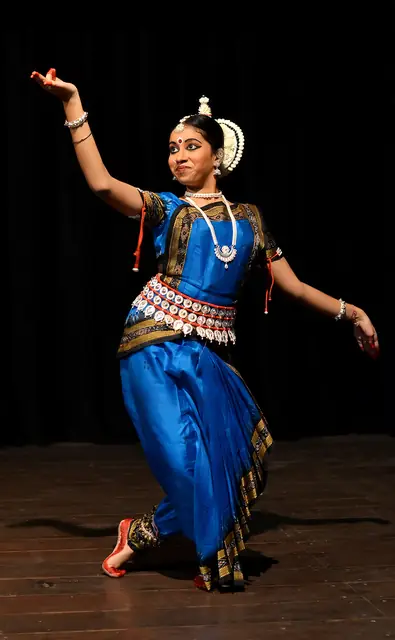 Dance friezes at Udayagiri, c. 1st century BCE; revived 1950sOdissiThe dance of Odisha, kept for centuries by the maharis of the Jagannath temple and the boy dancers called gotipuas.
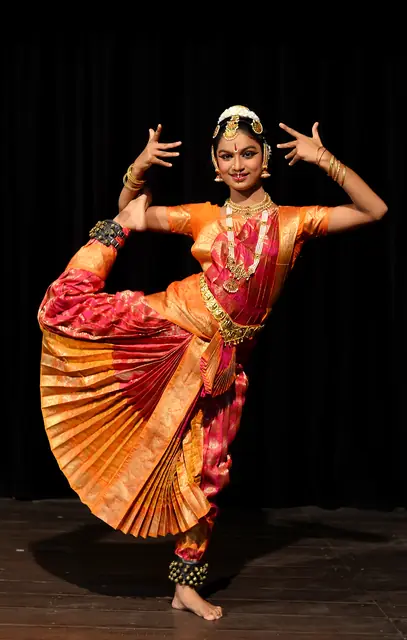 Karanas carved at Thanjavur 1010 CE; repertoire fixed c. 1800 CEBharatanatyamThe classical dance of Tamil Nadu, once offered in the temple as sadir by devadasis and given its present order by the Tanjore Quartet.
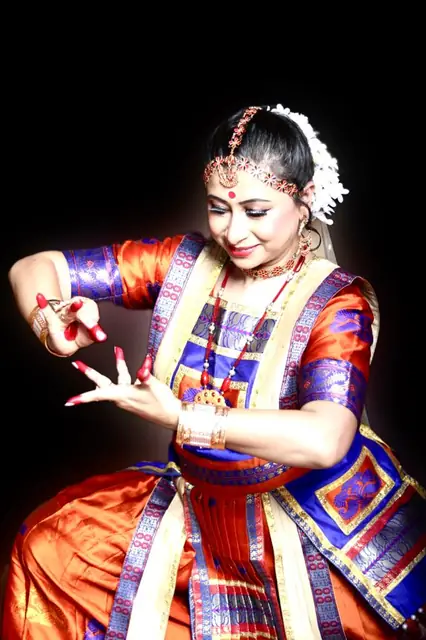 Srimanta Sankardev’s Chihna Yatra, c. 1468 CESattriyaThe dance of the sattras, the Vaishnava monasteries of Assam, created by Srimanta Sankardev as part of his Ankiya Naat plays.
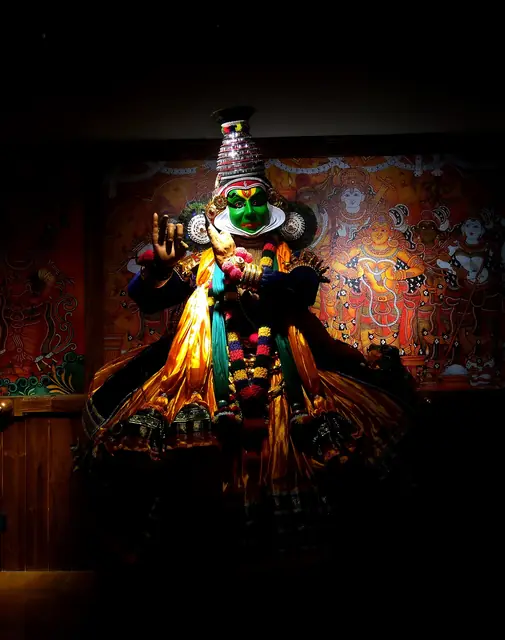 17th century, from Krishnanattam and RamanattamKathakaliKerala’s dance-drama of the epics, played through the night by actors in painted faces and huge skirts.
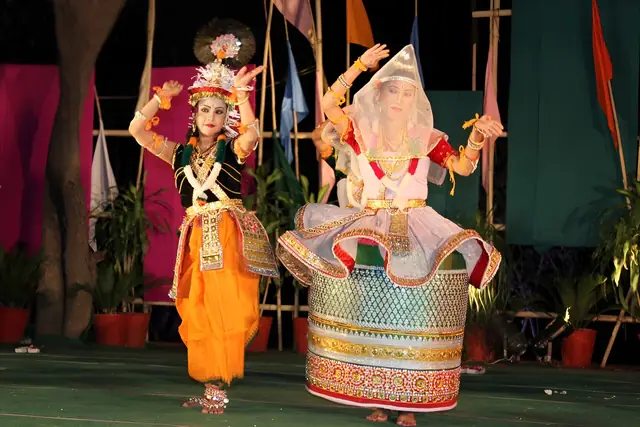 Ras Lila of Maharaja Bhagyachandra, 1779 CEManipuriThe dance of Manipur, centred on the Ras Lila of Radha and Krishna that Maharaja Bhagyachandra gave to his people.
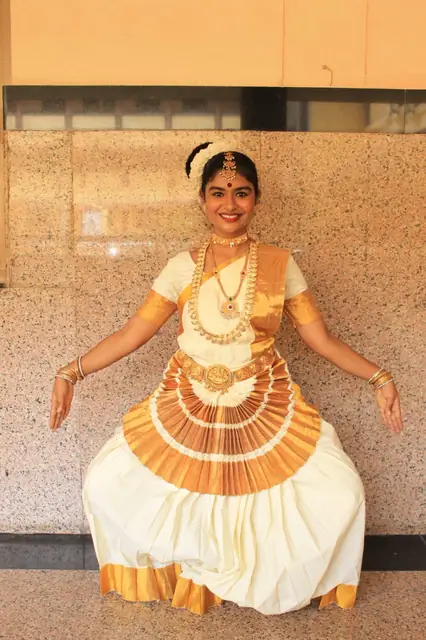 Shaped at the Travancore court, 19th centuryMohiniyattamThe dance of the enchantress, Mohini, the form Bhagwan Vishnu took to win back the amrita.
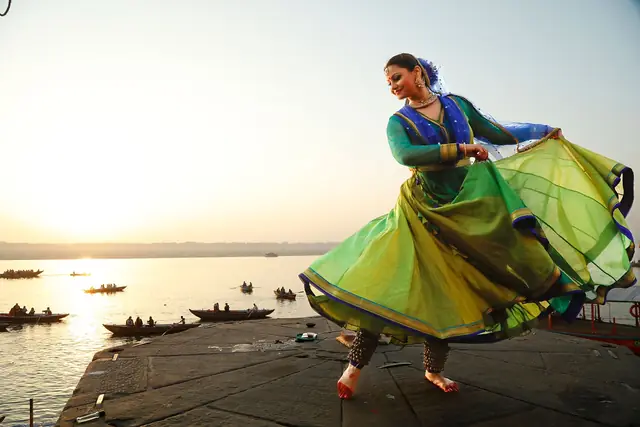 Kathakars of the temples; court form 16th–19th centuryKathakThe dance of the storytellers of north Bharat, the kathakars, who told the leelas of Krishna and the Ramayana in temple courtyards.
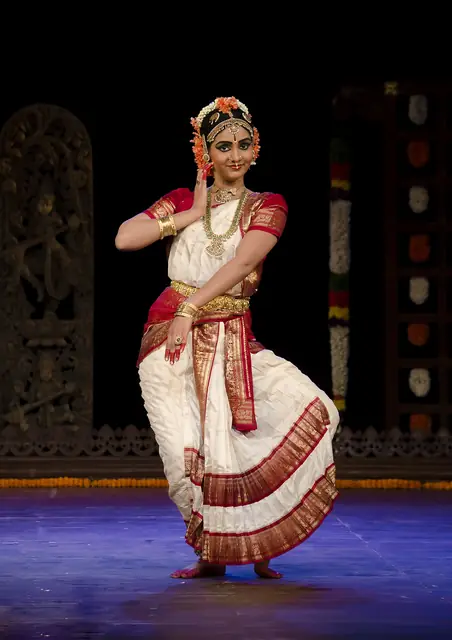 Dance-drama of the Kuchipudi Bhagavatulu, 17th century onwardKuchipudiNamed after the village of Kuchipudi in Krishna district, where Brahmin families performed Bhagavata dance-dramas for generations.
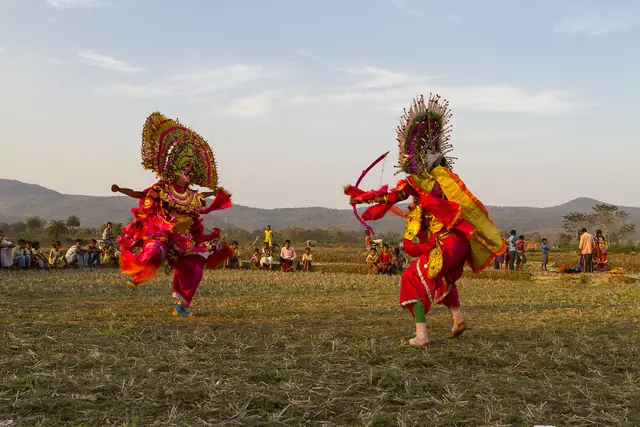 Living tradition; royal patronage 18th–20th centuryChhauThe martial, masked dance of the borderlands of Bengal, Jharkhand and Odisha, danced at the Chaitra festival on episodes of the Ramayana, Mahabharata and the Puranas.
Music
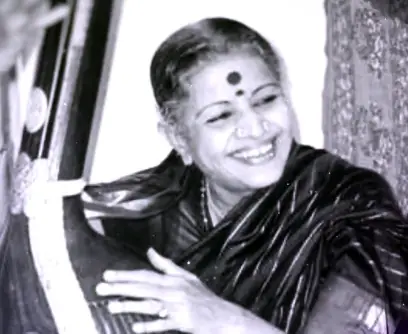 From Purandara Dasa (1484–1564) to todayCarnatic SangeetThe classical music of the south, almost entirely devotional: kritis to Rama, Shiva, Devi and Venkateshwara, sung to ragas ordered in 72 melakartas.
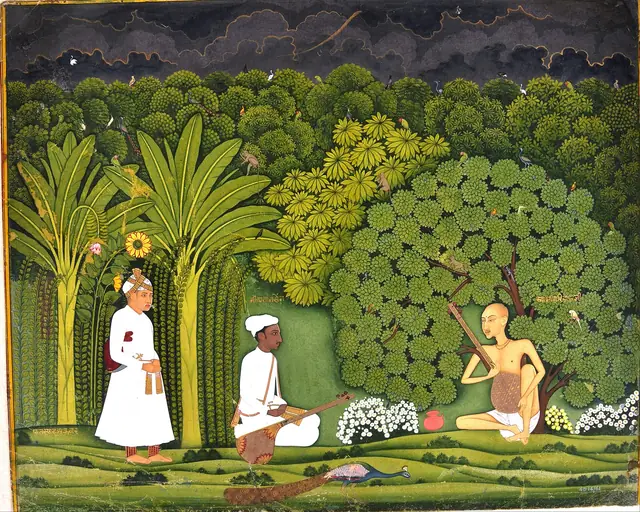 From the Gwalior court of Man Singh Tomar (r. 1486–1516) to todayHindustani SangeetThe classical music of the north, carried in dhrupad, khayal, thumri and instrumental gat.
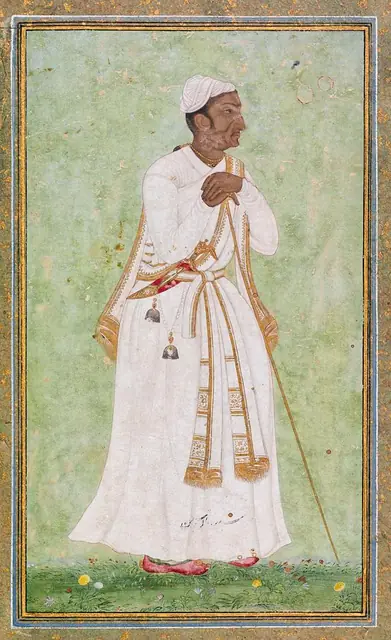 Shaped at Gwalior, late 15th centuryDhrupadThe oldest living form of Hindustani vocal music: a long, unhurried alap followed by a composition in praise of the Devatas or the king, sung to the pakhawaj.
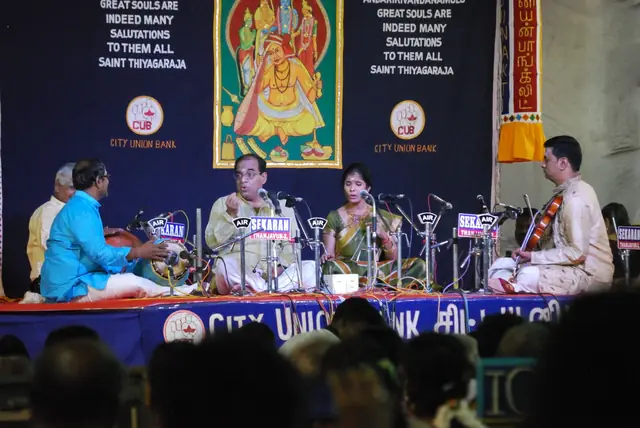 1762–1847 CEThe Trinity of Carnatic MusicTyagaraja, Muthuswami Dikshitar and Syama Sastri, all three born in the temple town of Tiruvarur within thirteen years, wrote the core of what Carnatic musicians sing today.
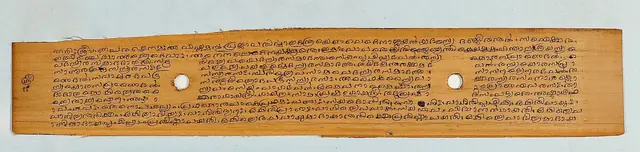 Vedic, apaurusheyaSama Gana: the chant of the Sama VedaThe Sama Veda sets the mantras of the Rig Veda to melody for the soma yajna.
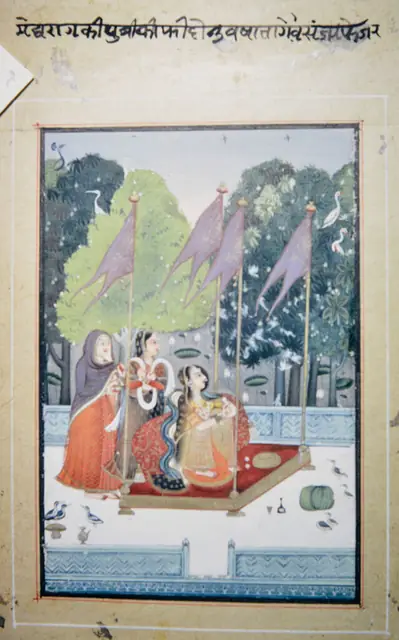 Defined by Matanga; Sangita Ratnakara 13th centuryThe Raga SystemA raga is a melodic personality: a set of notes with its own ascent, descent, stresses and phrases, meant to colour the listener’s mind.
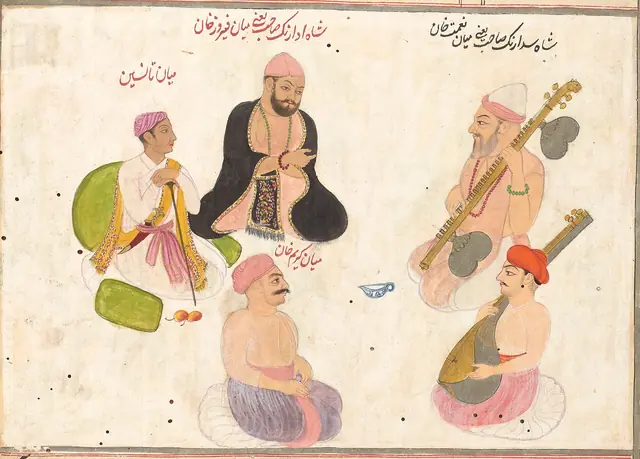 19th–20th centuryThe Gharanas of Hindustani MusicA gharana is a household of style: a lineage of teachers and disciples with its own way of voice, raga and rhythm.
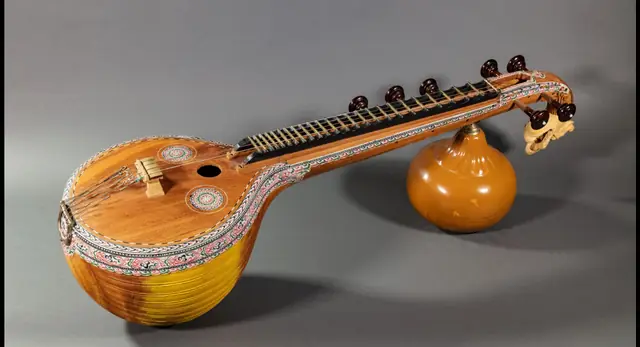 Vedic in name; present Saraswati veena c. 17th centuryVeenaThe instrument of Mata Saraswati and of Narada.
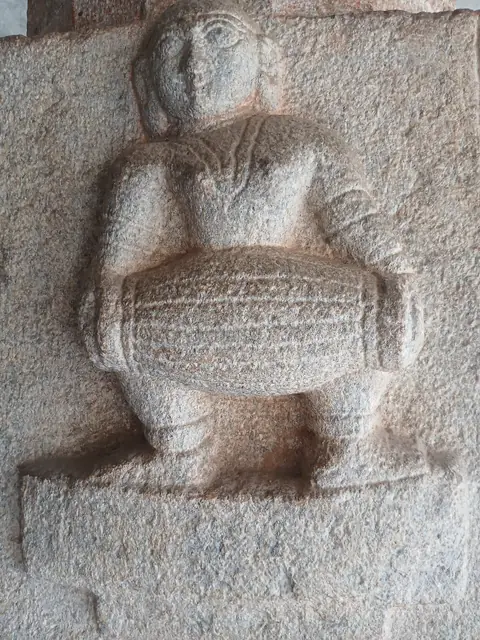 Named in the Natya Shastra; living traditionMridangamThe double-headed barrel drum that leads the rhythm of a Carnatic concert and of Bharatanatyam.
Theatre
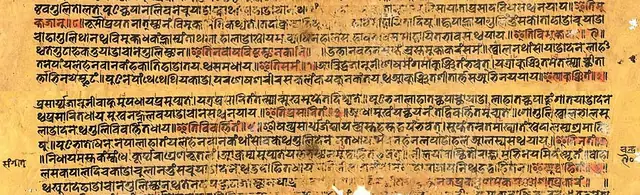 Ancient; Abhinavagupta’s commentary c. 1000 CENatya ShastraThe shastra of drama, dance and music handed down in the name of Bharata Muni.
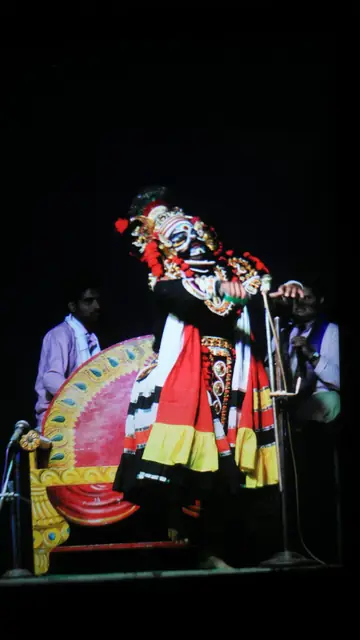 Established by the 16th centuryYakshaganaThe night-long dance-theatre of coastal Karnataka, in which the bhagavata sings the prasanga and dancers in towering headgear act and improvise the speeches of the epic heroes.
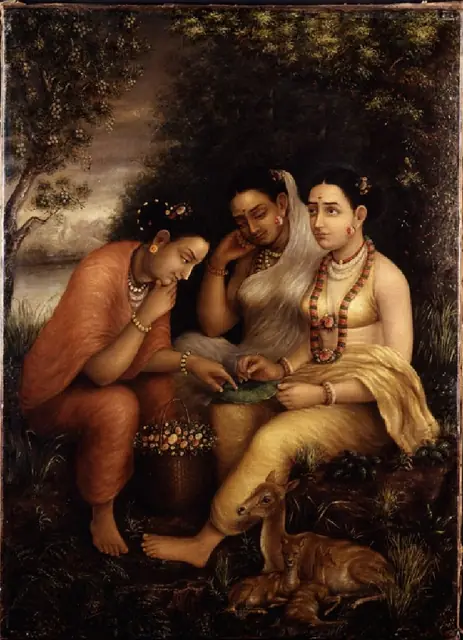 Bhasa and Kalidasa to Bhavabhuti, before c. 750 CESanskrit DramaThe plays of Bhasa, Kalidasa, Shudraka, Vishakhadatta, Harsha and Bhavabhuti, written to the rules of the Natya Shastra in Sanskrit and Prakrit.
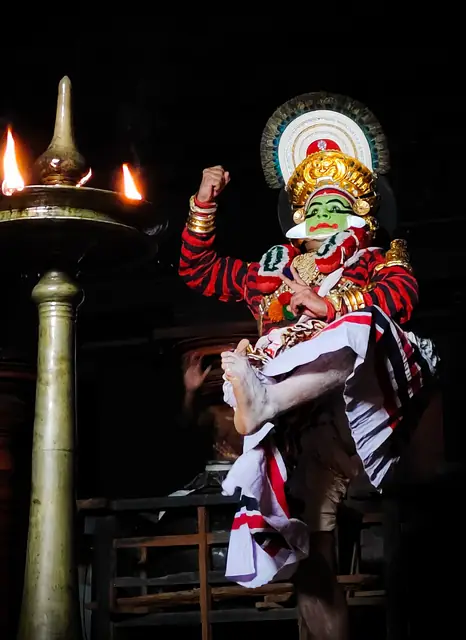 Reformed by King Kulasekhara Varman, by tradition c. 10th centuryKoodiyattamThe only surviving form of ancient Sanskrit theatre, performed by Chakyars and Nangiars in the koothambalam theatres of Kerala’s temples.
Painting
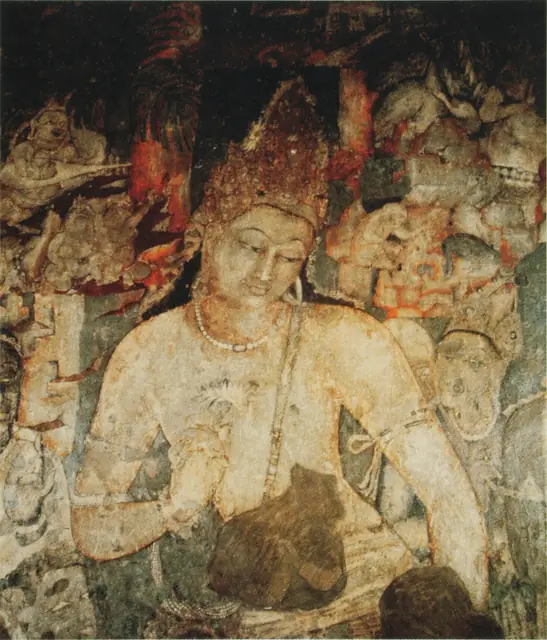 c. 2nd century BCE and 5th century CEAjanta MuralsThe wall paintings of the Buddhist rock-cut caves of Ajanta, the oldest great body of painting in Bharat.
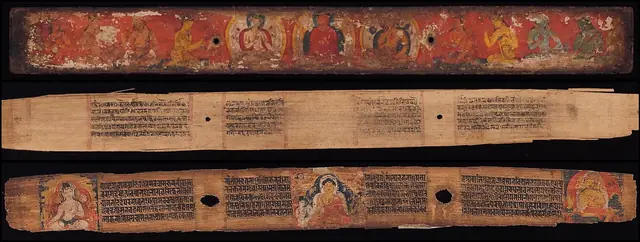 c. 985 CE to c. 1200 CEPala Manuscript PaintingMiniature paintings on palm-leaf manuscripts and their wooden covers, made in the great monasteries of Nalanda and Vikramashila under the Pala kings.
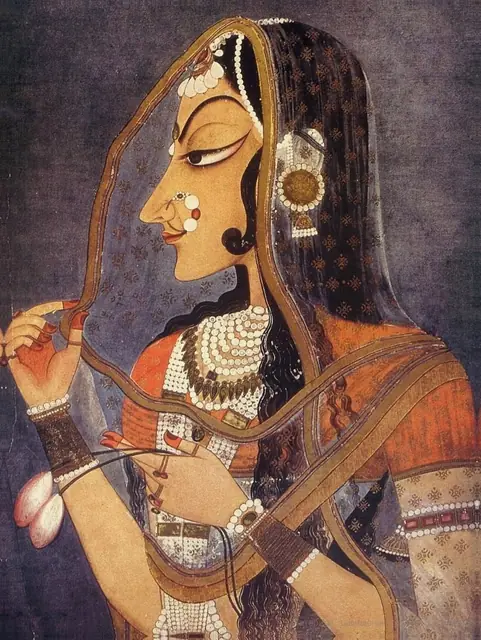 Chawand Ragamala 1605 CE to the 19th centuryRajput and Pahari MiniaturesThe court painting of the Rajput kingdoms and the Pahari hill states: small, jewel-coloured pictures of Krishna, Rama, the ragas and the rulers themselves, painted for albums and sets.
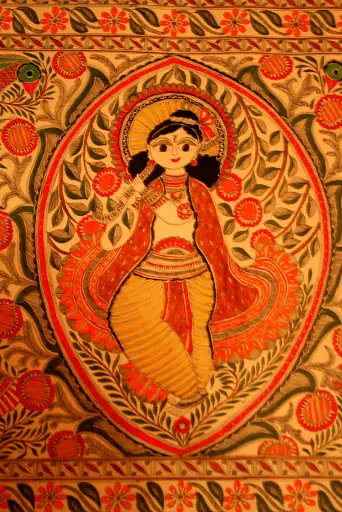 Ancient household custom; first recorded 1934Madhubani (Mithila) PaintingThe painting of the women of Mithila, made on the walls of the home for weddings and festivals and, since the 1960s, on paper and cloth.
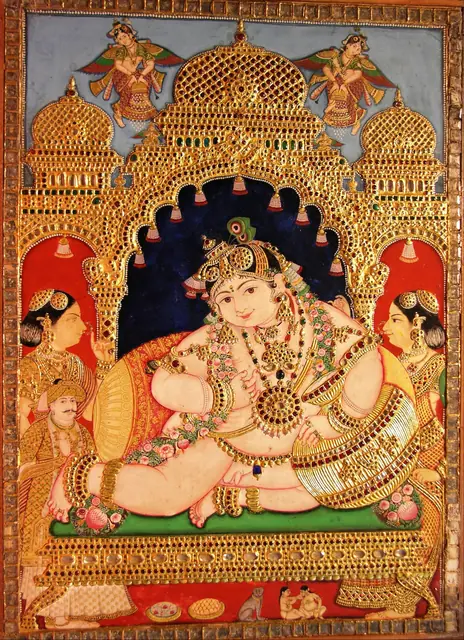 Nayaka period, flowering under the Thanjavur Marathas, 17th–19th centuryThanjavur (Tanjore) PaintingDevotional icons on wood, built up in raised gesso and covered with gold leaf and glass stones.
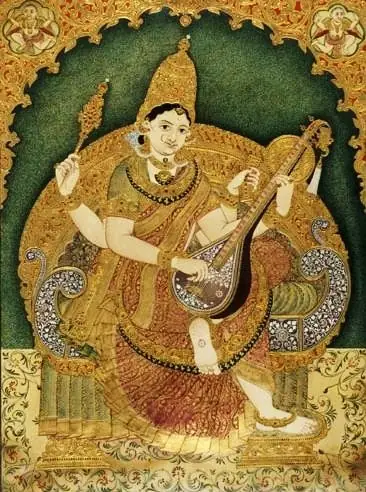 From Vijayanagara painters at Srirangapatna; flowering 19th centuryMysore PaintingThe court painting of the Wodeyars of Mysore, a cousin of Thanjavur painting with lighter gesso, softer colours and finer line.
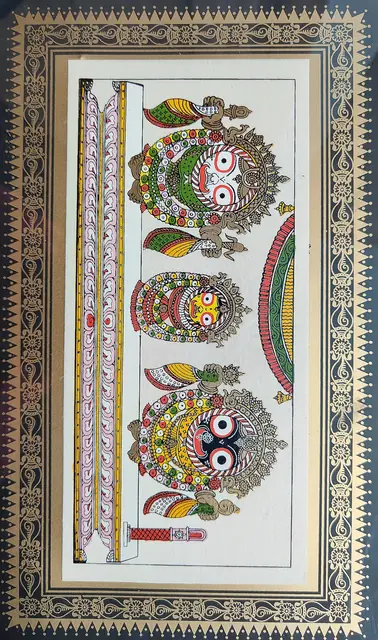 Temple tradition of Puri; living todayPattachitraCloth painting of Odisha, made by the chitrakar families who serve the Jagannath temple.
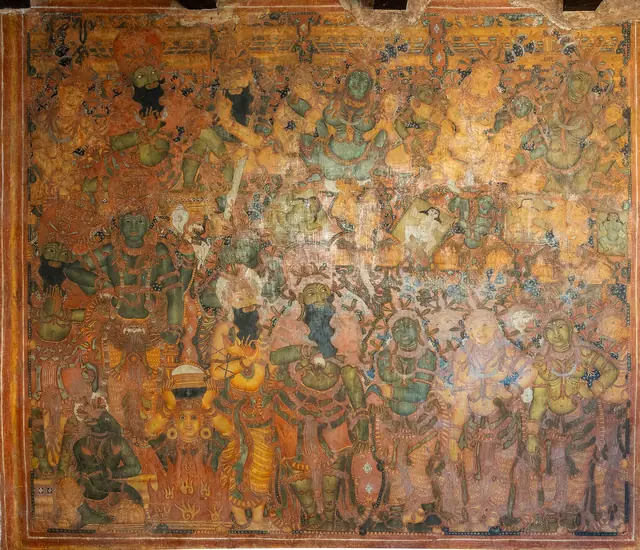 Thirunandikkara c. 9th century; Mattancherry 16th–17th centuryKerala MuralsThe wall paintings of Kerala’s temples and palaces, in five natural colours, full of crowded, ornamented figures of the Devatas and the epics.
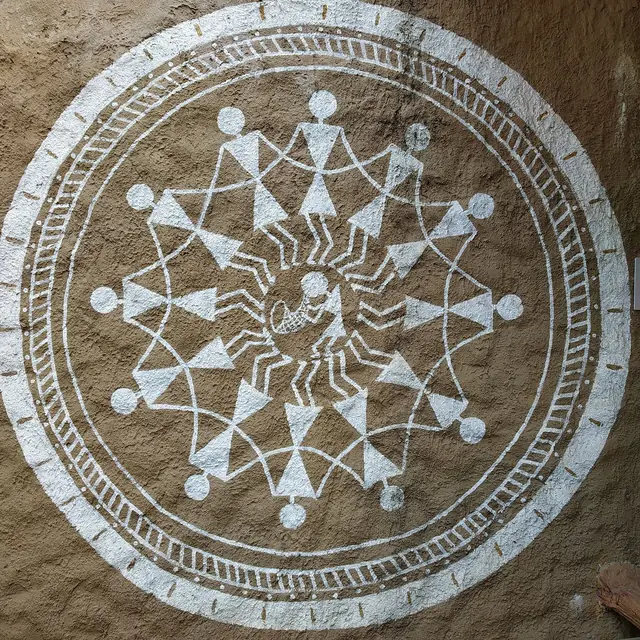 Ancient household tradition; known outside from the 1970sWarli PaintingThe wall painting of the Warli people of the Sahyadri foothills, done in white rice paste on mud walls, with figures built from circles and triangles.
Sculpture and bronze
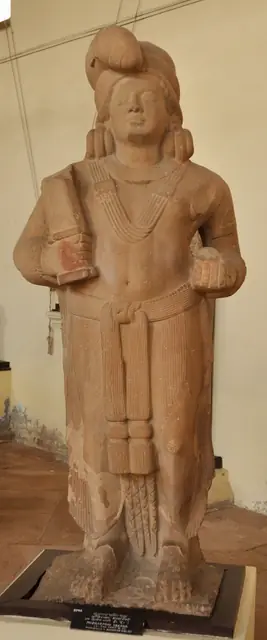 c. 2nd century BCE to 5th century CEMathura School of SculptureThe red sandstone workshops of Mathura, which made some of the earliest images of the Devatas, the Buddha and the Tirthankaras.
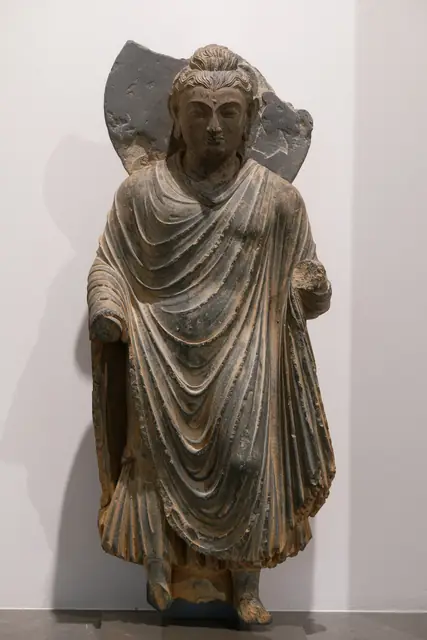 c. 1st–5th century CEGandhara School of SculptureThe Buddhist sculpture of Gandhara, the ancient janapada of the Mahabharata’s Gandhari, carved in grey schist and stucco with a strong Hellenistic touch in the drapery and faces.
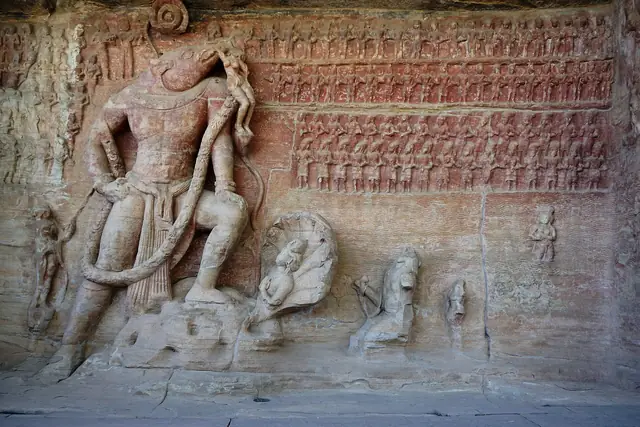 Udayagiri Varaha 401 CE to c. 550 CEGupta SculptureThe sculpture of the Gupta age set the classical form of the Hindu, Buddhist and Jain image: calm faces, smooth bodies and the first great narrative reliefs of the Devatas.
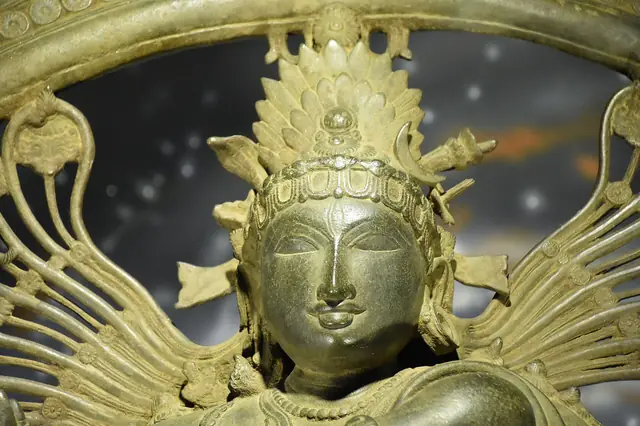 c. 10th–13th century; still cast at SwamimalaiChola BronzesThe processional images of the Chola temples, cast by the lost-wax method.
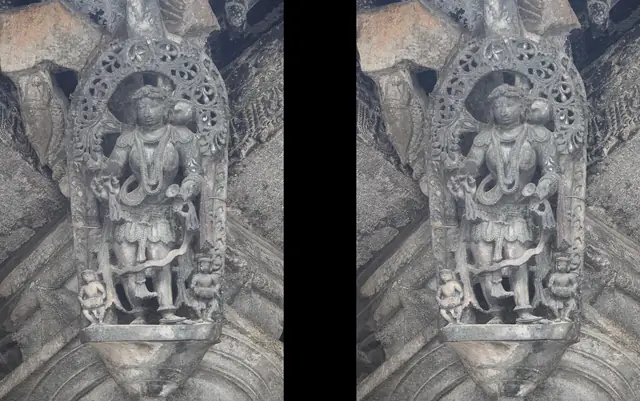 Belur 1117 CE to Somanathapura 1268 CEHoysala SculptureThe temples of the Hoysala kings, carved in soft soapstone with a detail found nowhere else in stone.
Great crafts
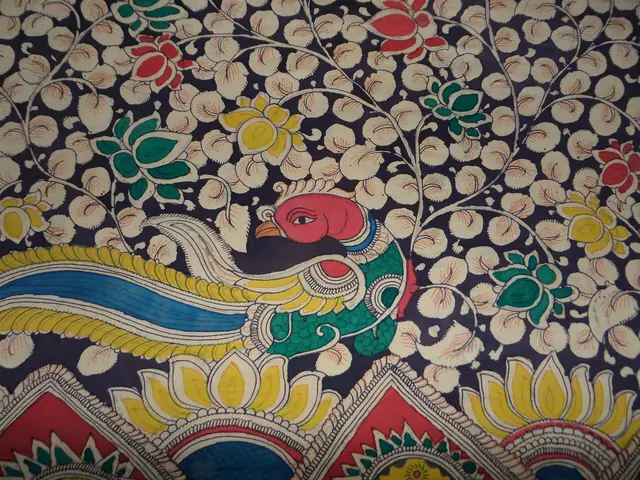 Living tradition; trade textiles 16th–18th centuryKalamkariCotton cloth painted and dyed by hand with a pen, the kalam, and natural dyes.
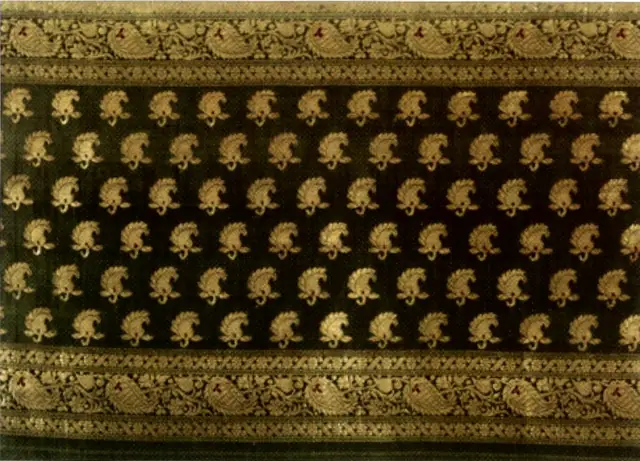 Kashi cloth in Pali texts; brocade from the 16th–17th centuryBanarasi Silk and BrocadeSilk woven with gold and silver zari on the handlooms of Kashi, the sari every north Indian bride hopes for.
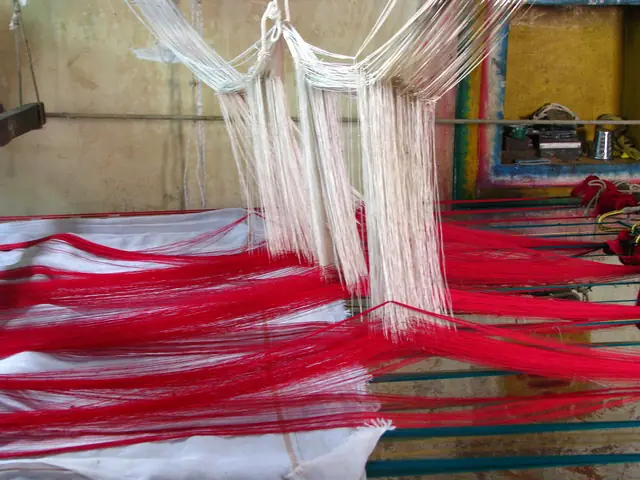 Weaving town of the temple city; living traditionKanchipuram SilkThe heavy mulberry-silk sari of Kanchipuram, with contrast borders interlocked to the body and temple motifs in gold zari, the bridal sari of the south.
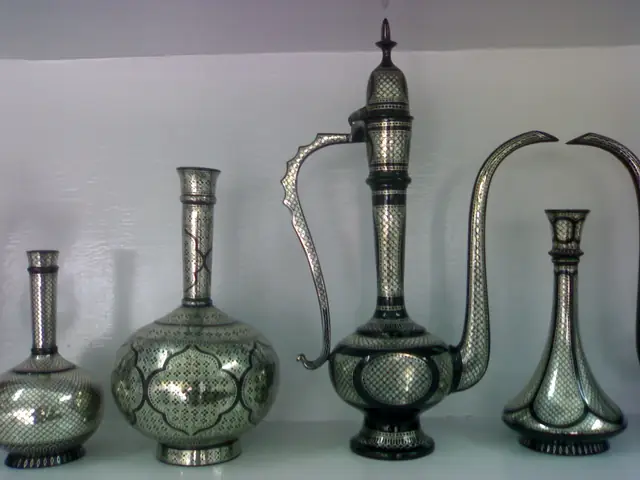 Bidar, from the 15th centuryBidriwareMetalware of a dark zinc alloy inlaid with silver, blackened with the soil of Bidar fort.