01Where the nagas prayed
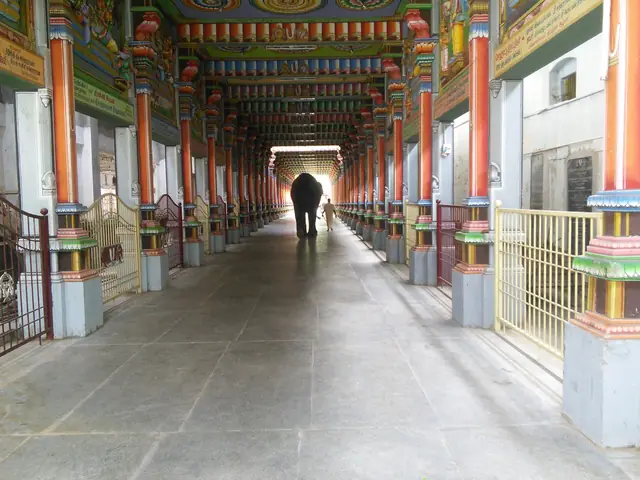
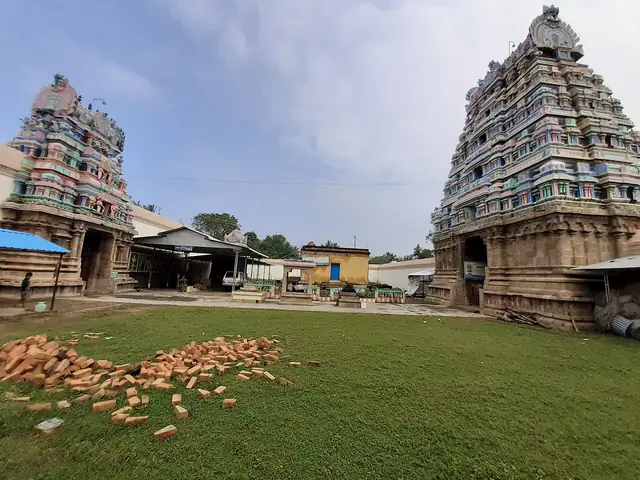
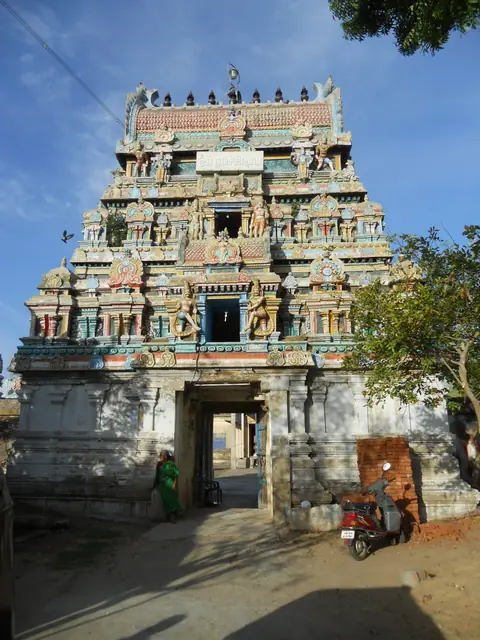
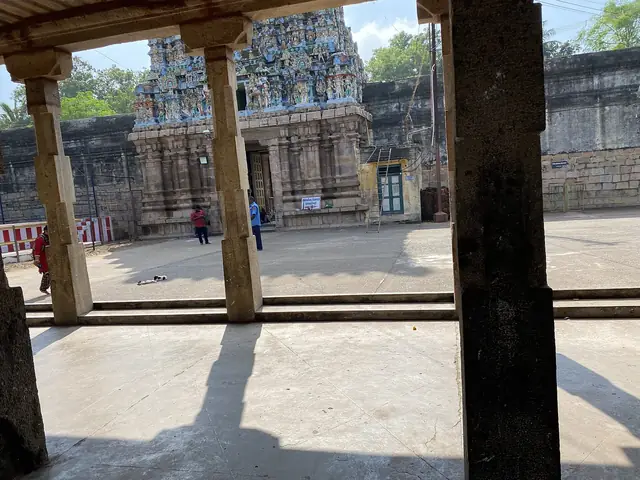
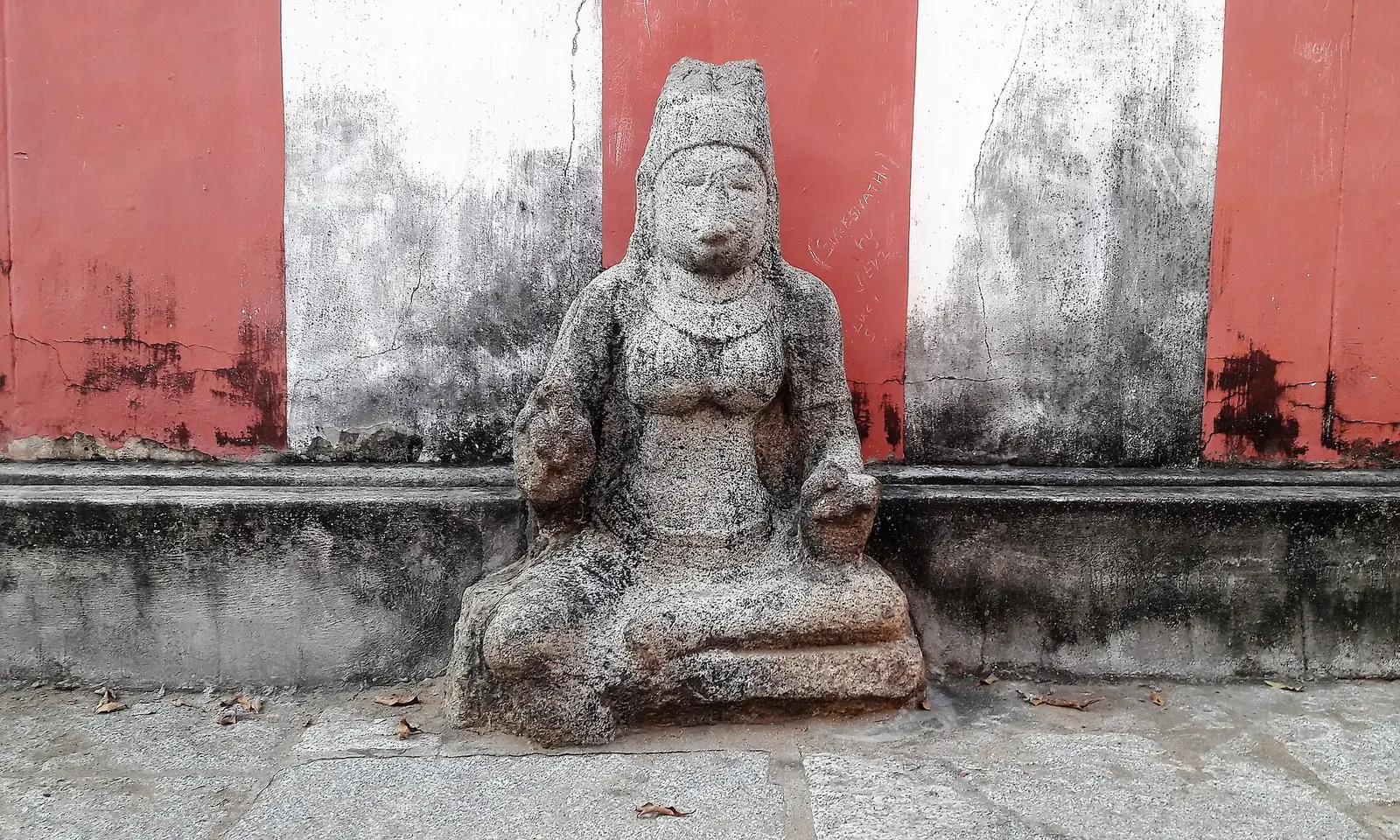
The sthala purana tells that the great serpents Adisesha, Takshaka and Karkotaka worshipped Shiva here, and the Lord took the name Naganathar. Rahu, himself counted among the serpent powers, has a shrine in the south-west of the outer court, where he stands in human form with his consorts Simhi and Chitralekha. At Rahu Kalam each day milk is poured over him, and devotees watch for the milk turning blue as it flows over the image. The Devi, Giri Gujambika, has her own shrine, with Lakshmi and Saraswati beside her.
02Sekkizhar’s temple
All three Tevaram poets sang Thirunageswaram. Sekkizhar, the minister of Kulottunga Chola II who wrote the Periya Puranam, held this temple so dear that he built a Nageswara temple in his home village of Kundrathur near Chennai on its pattern. The Vaishnava Divya Desam of Oppiliappan stands only a few hundred metres away, and pilgrims take darshan of both.
The life of this place
- 7th–8th centuryAppar, Sambandar and Sundarar sing the Lord of Thirunageswaram.
- 12th centurySekkizhar builds the Nageswara temple at Kundrathur on the pattern of this temple.
About 6 km east of Kumbakonam. Come at Rahu Kalam for the milk abhishekam; Oppiliappan Kovil is a short walk away.