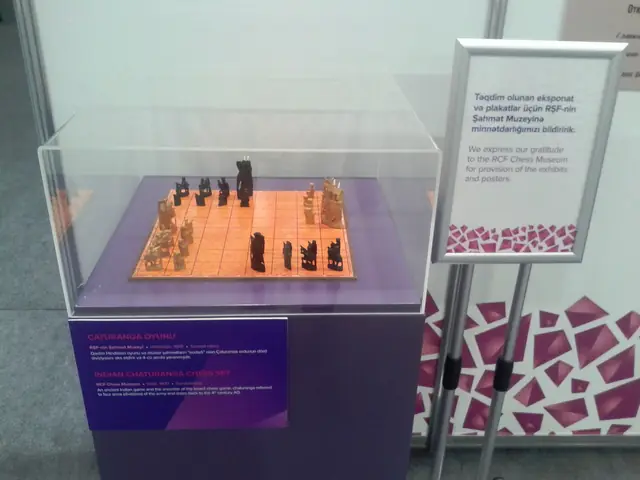
The sciences of Bharat
Mathematics, astronomy, medicine, metallurgy, grammar and engineering: what was achieved, the texts, inscriptions and objects that prove it, how it travelled, and what scholars still debate.
34Vijnana: sciences
Mathematics
 458 CE (Lokavibhaga); 876 CE (Gwalior)Place value and zero: the evidenceWriting any number with ten signs, where a sign’s worth depends on its place and an empty place is marked with a zero, is Bharat’s best-known gift.
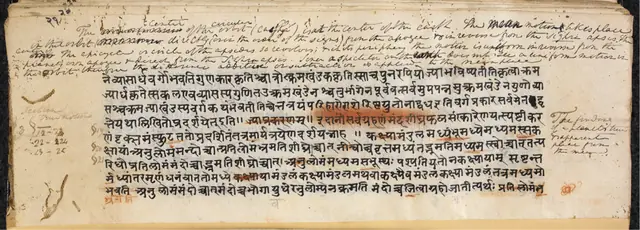 628 CEBrahmagupta’s rules for zero and debtsIn 628 CE at Bhillamala, Brahmagupta set down how to add, subtract and multiply fortunes, debts and zero.
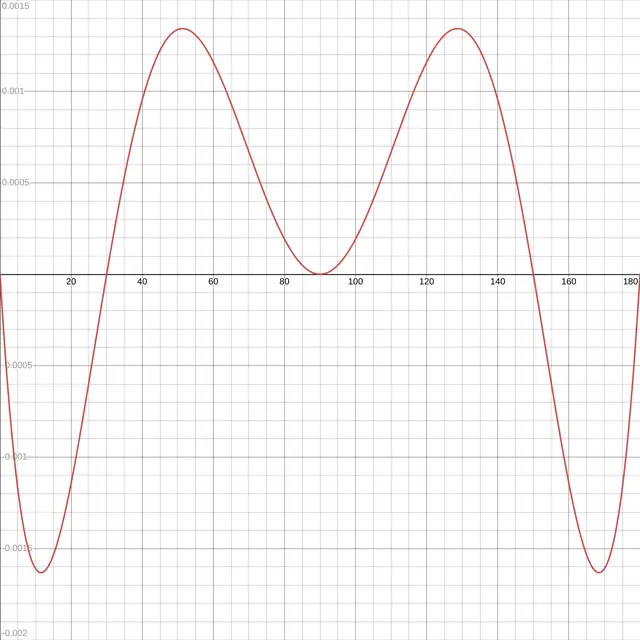 629 CEBhaskara I and the sine formulaBhaskara I, Aryabhata’s most important early commentator, gave a simple fraction that reproduces the sine of an angle with an error under one per cent, without a table.
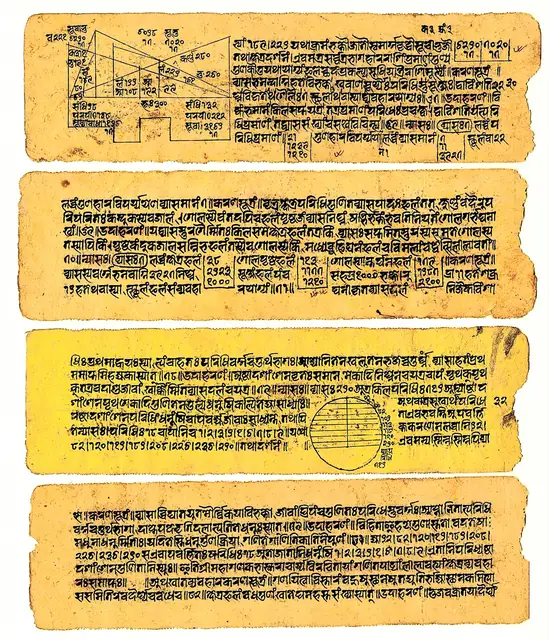 1150 CEBhaskaracharya and the LilavatiBhaskaracharya’s Siddhanta Shiromani of 1150 CE gathered Indian mathematics into four books.
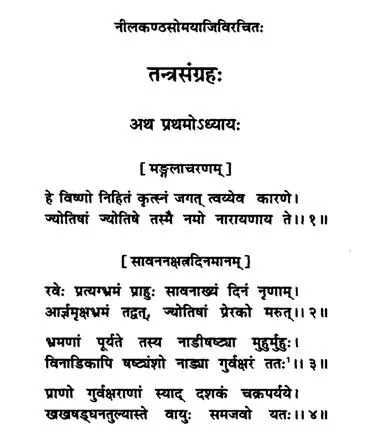 c. 1340–1425 CE (Madhava) to c. 1530 (Yuktibhasha)Madhava and the Kerala schoolIn villages along the Nila river, a line of teachers from Madhava of Sangamagrama worked out infinite series for pi, sine and cosine, and wrote down the reasoning, two centuries before Newton and Leibniz.
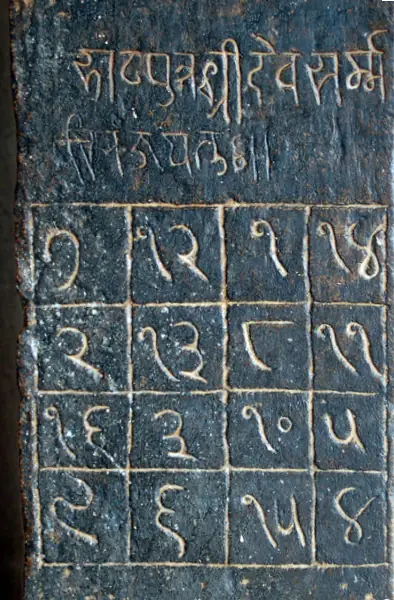 10th-century Khajuraho; Ganita Kaumudi 1356 CEMagic squares: Khajuraho and Narayana PanditaA 4 × 4 square cut on a Jain temple at Khajuraho adds to 34 in every row, column, diagonal and broken diagonal.
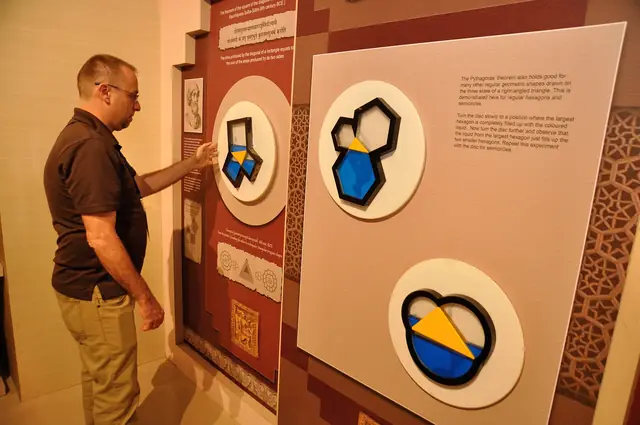 Vedic age, Kalpa Sutras of the VedangaGeometry of the Sulba SutrasThe Sulba Sutras are rope-manuals for building fire altars.
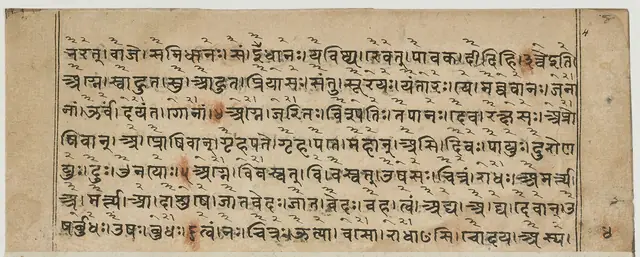 Pingala, Chhandahshastra; Halayudha’s commentary, 10th century CEPingala’s science of metreTo list every possible metre, Pingala treated syllables as short or long and gave rules that turn a pattern into a number and a number back into a pattern.
Astronomy
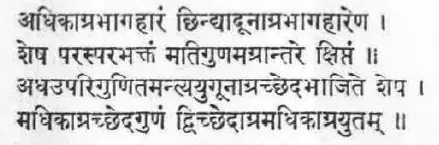 499 CEAryabhata’s astronomyIn 121 verses written at Kusumapura, Aryabhata gave a turning earth, eclipses explained by shadows, a sine table and pi to four places.
 Pancha-siddhantika, epoch 505 CEThe Siddhantas and the meridian of UjjainFrom the 5th century, Indian astronomy was written as Siddhantas: complete systems that compute the positions of sun, moon and planets for any day.
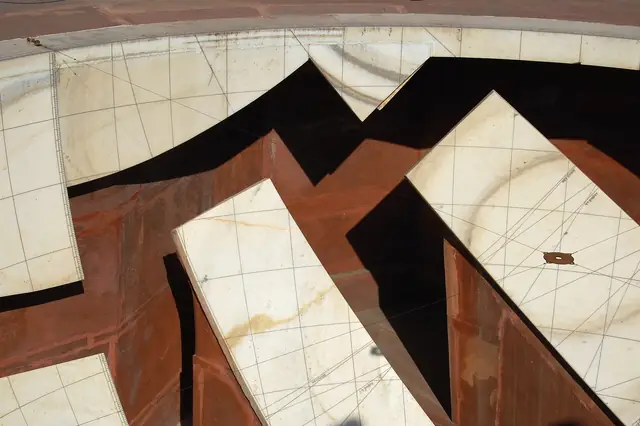 1724 CE onwardsJai Singh’s observatoriesSawai Jai Singh II of Amber built five stone observatories at Delhi, Jaipur, Ujjain, Varanasi and Mathura, with instruments so large that a shadow moves visibly across them.VVedic age, attributed to LagadhaVedanga JyotishaThe oldest Indian text given wholly to astronomy, kept to fix the days of yajna.
Medicine
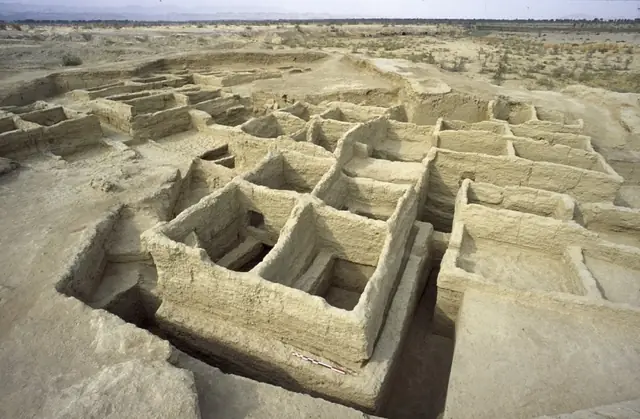 c. 7500–5500 BCEDrilled teeth of MehrgarhEleven molars from graves at Mehrgarh carry neat holes drilled in living people, the oldest known evidence of dentistry anywhere in the world.
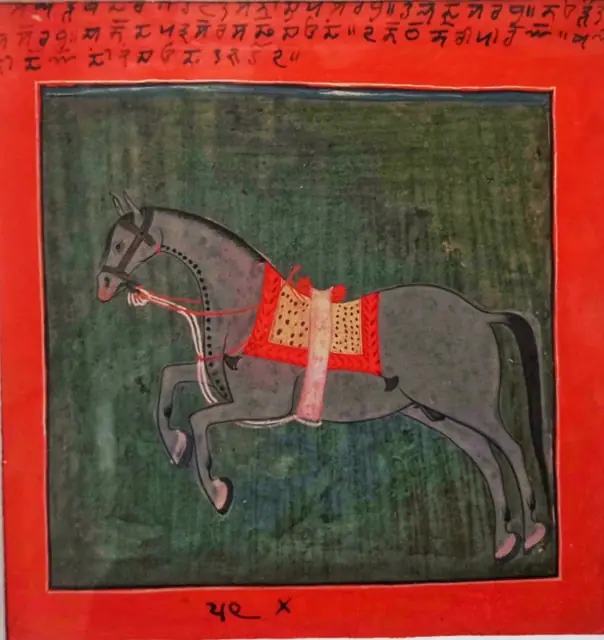 Ashoka’s edict c. 257 BCE; Hastyayurveda and Shalihotra textsMedicine for elephants and horsesBharat kept separate sciences for treating elephants and horses, the animals that won its wars.
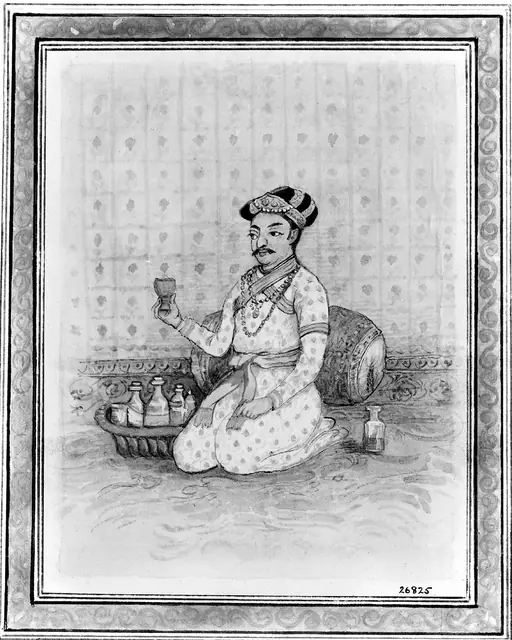 Agnivesha’s tantra, redacted by Charaka, completed by DridhabalaThe Charaka SamhitaThe great book of internal medicine in Ayurveda, in eight sections and 120 chapters.
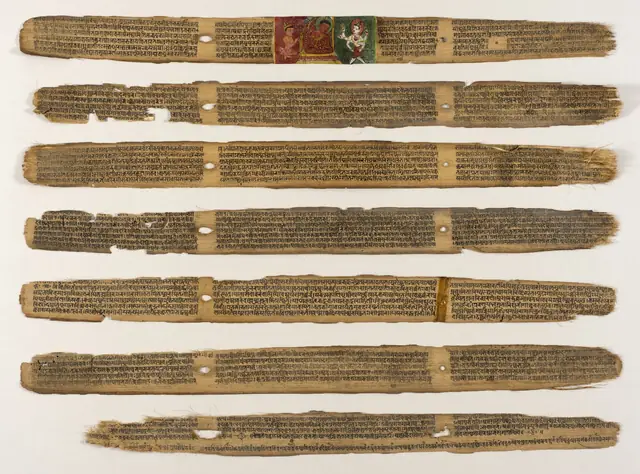 Sushruta Samhita; oldest dated manuscript 878 CESushruta’s surgeryThe Sushruta Samhita is the great surgical text of Ayurveda.
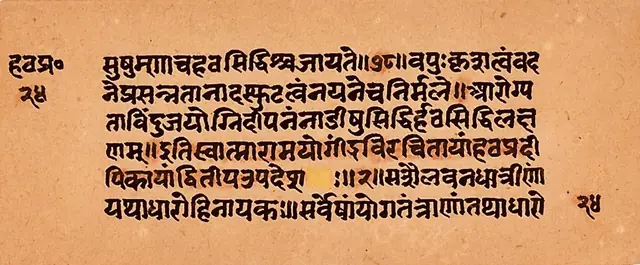 Yoga Sutra of Maharshi Patanjali; Vyasa’s bhashyaYoga as a discipline: Patanjali’s sutrasIn 195 sutras Patanjali set out yoga as a method for stilling the mind, with eight limbs from ethical restraint to samadhi.
Metallurgy
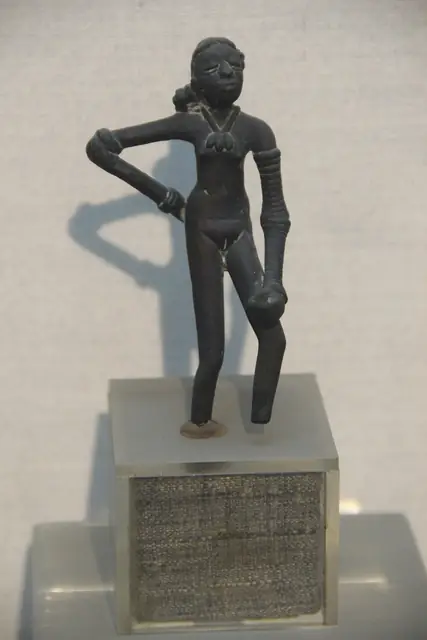 c. 2500 BCE to the presentLost-wax casting: from the dancing girl to SwamimalaiThe bronze dancing girl of Mohenjo-daro was made by modelling in wax, covering it in clay and pouring metal into the space the wax left.
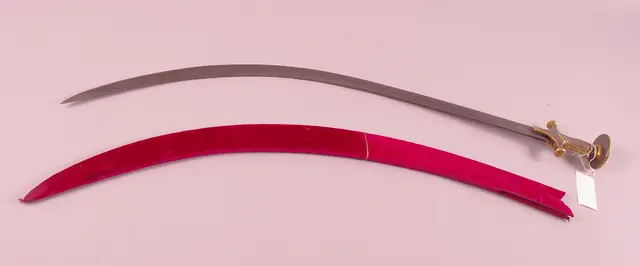 From the late 1st millennium BCE (Kodumanal)Wootz: the crucible steel of the southSouth Indian smiths sealed iron and plant matter in clay crucibles and melted it into small cakes of high-carbon steel.
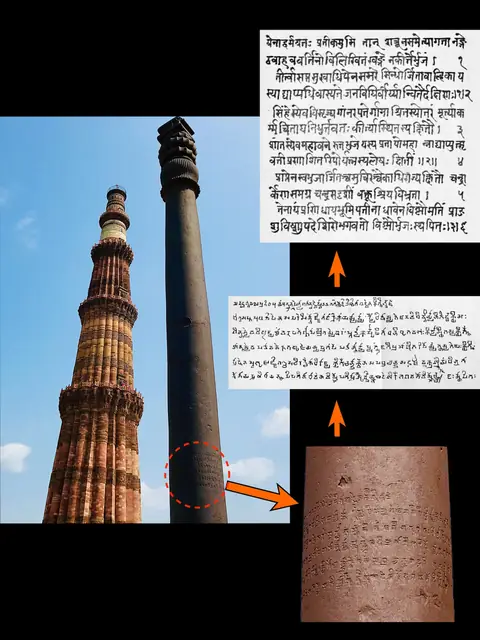 c. 375–415 CE (reign of Chandragupta II)The iron pillar that does not rustA forged iron column over seven metres tall and about six tonnes, standing in the open at Mehrauli for some sixteen centuries with almost no rust.
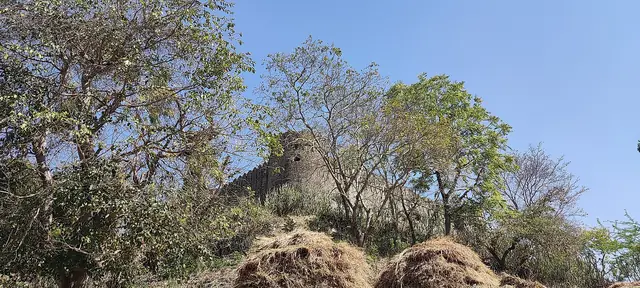 Mining from c. 2,000 years ago; retort furnaces c. 16th centuryZinc from ZawarZinc boils before it can be smelted like other metals.
Engineering
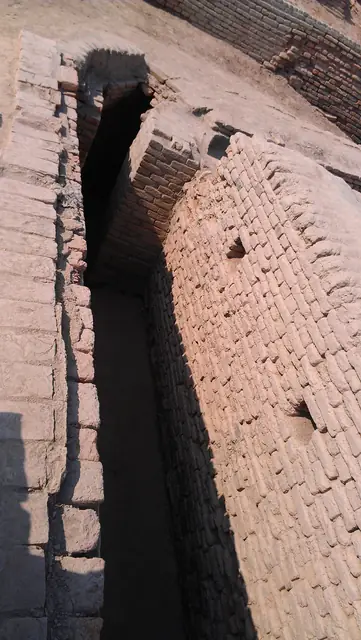 c. 2600–1900 BCEHarappan town planning and drainsThe cities of the Sindhu-Sarasvati civilisation were laid out in blocks, built of bricks of one standard ratio, and drained by covered sewers that ran under the streets, a level of public sanitation not seen again for many centuries.
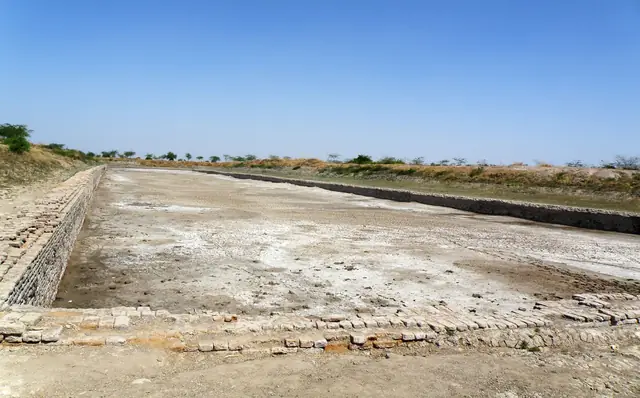 c. 2300–1900 BCEThe basin at LothalA brick basin over 200 metres long beside the Harappan port of Lothal in Gujarat, read by its excavator as the world’s oldest known dock.
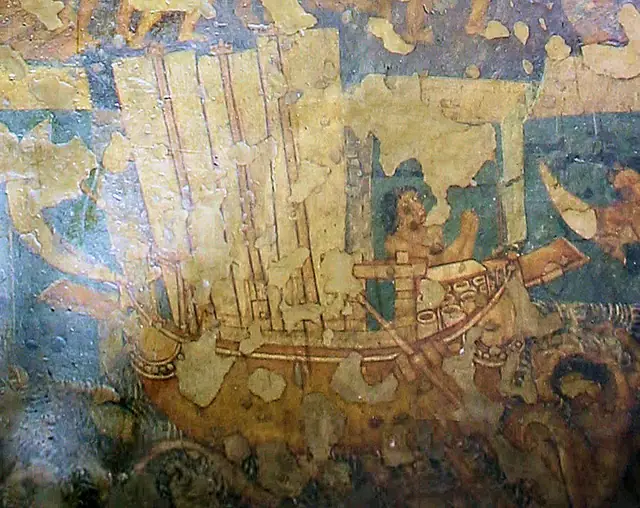 Harappan times to the 16th centuryShips and the monsoon seaIndian sailors used the monsoon winds to cross the Arabian Sea and the Bay of Bengal in stitched ships.
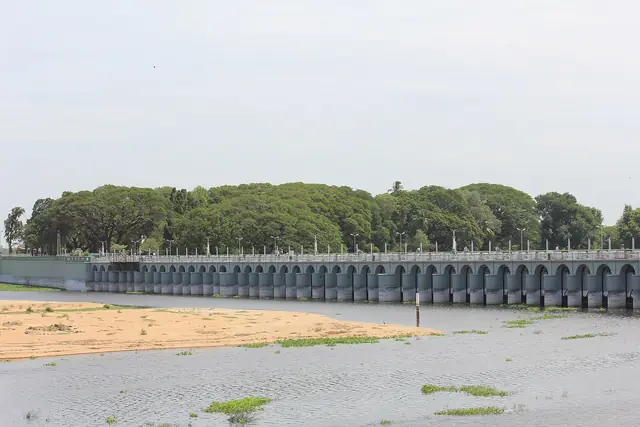 Sudarshana from Maurya times, repaired 150 and 456 CE; Kallanai, Karikala CholaDams and lakes: Sudarshana and the KallanaiA rock at Junagadh records the life of a dammed lake across eight centuries, and a stone weir on the Kaveri credited to Karikala Chola still diverts water to the delta’s fields.
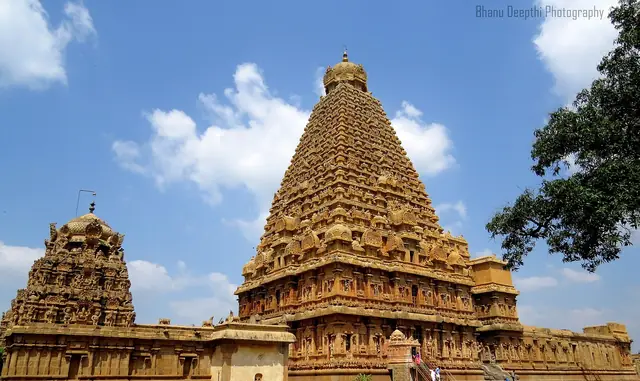 Kailasa, 8th century; Brihadeeswara, 1010 CETemple building as engineeringThe Shilpa and Vastu texts gave temple builders a canon of proportion, and the sthapatis used it to raise a 66-metre granite tower at Thanjavur and to carve a whole temple downward out of a hill at Ellora.
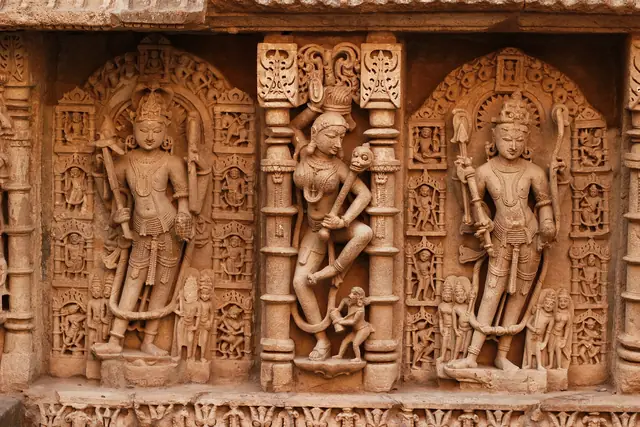 Rani ki Vav, c. 1063 CE; Chand Baori, 9th centuryStepwells: vav and baoriIn the dry west of Bharat, wells were turned into buildings: long flights of steps and pillared storeys going down to water that rose and fell with the season.
Agriculture and botany
KKalibangan field c. 2800 BCE; Krishi Parashara, 1st millennium CE (date uncertain)Krishi Parashara and the ploughed fieldThe oldest ploughed field yet found in South Asia lies at Kalibangan, and a Sanskrit farmer’s manual, the Krishi Parashara, sets down rain forecasting, the parts of the plough and how to keep seed.VBrihat Samhita ch. 55 (6th century); Surapala, c. 1000 CEVrikshayurveda: the Ayurveda of treesBharat had a science of plant care: how to choose soil, raise seedlings, water, graft, cure tree diseases and make liquid manure.
Textiles
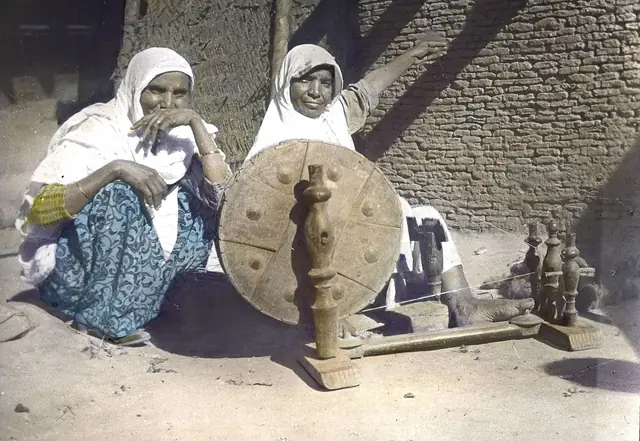 From the 6th millennium BCE (Mehrgarh)Cotton, the charkha and the roller ginBharat grew and wove cotton earlier than anywhere in the Old World, and for centuries clothed much of the trading world.
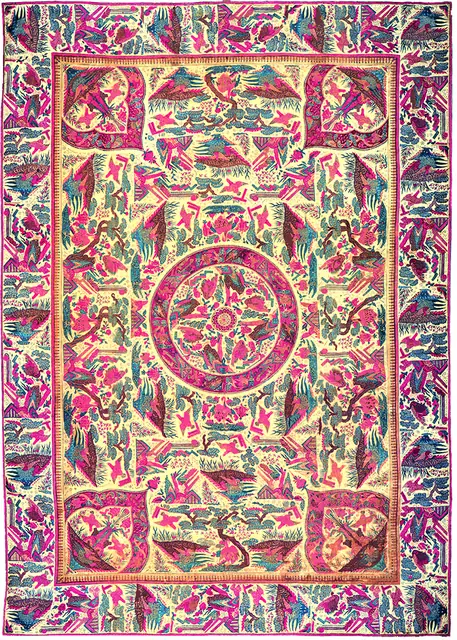 From c. 2500 BCE (madder at Mohenjo-daro)Mordant dyeing, indigo and chintzIndian dyers learned to fix colour into cotton with metal salts, so that painted and printed cloth kept its reds and blues through washing.