01A queen’s thanksgiving
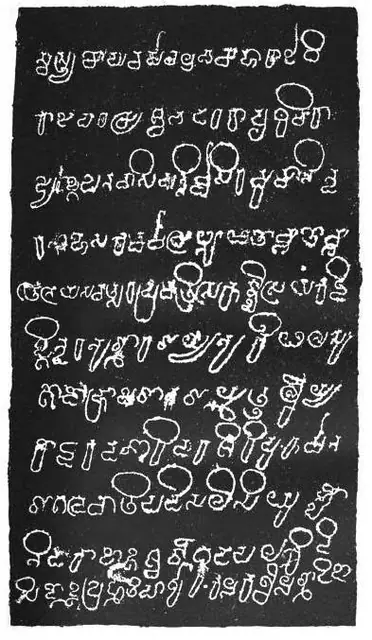
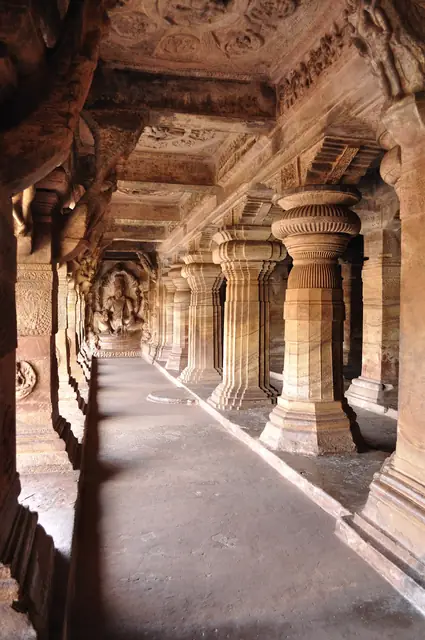
Vikramaditya II marched on Kanchipuram around 740 and took the Pallava capital. He did not sack it. His inscription at the Kailasanatha temple there records that he left its treasures to the god. His senior queen Lokamahadevi then built the Lokeshvara temple at Pattadakal, now called Virupaksha, and her sister Trailokyamahadevi, also his queen, built the Mallikarjuna beside it. Both follow the southern Dravida style, with storeyed vimanas, and the Virupaksha has a walled court, a Nandi mandapa and a gateway. An inscription on its east gate names the architect as Gunda, given the title Tribhuvanacharya. Its walls carry Ravana lifting Kailash, Narasimha and the Lingodbhava.
02Two styles on one riverbank
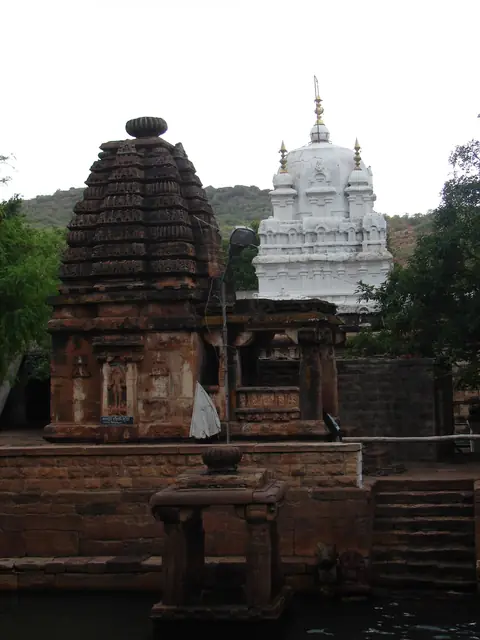
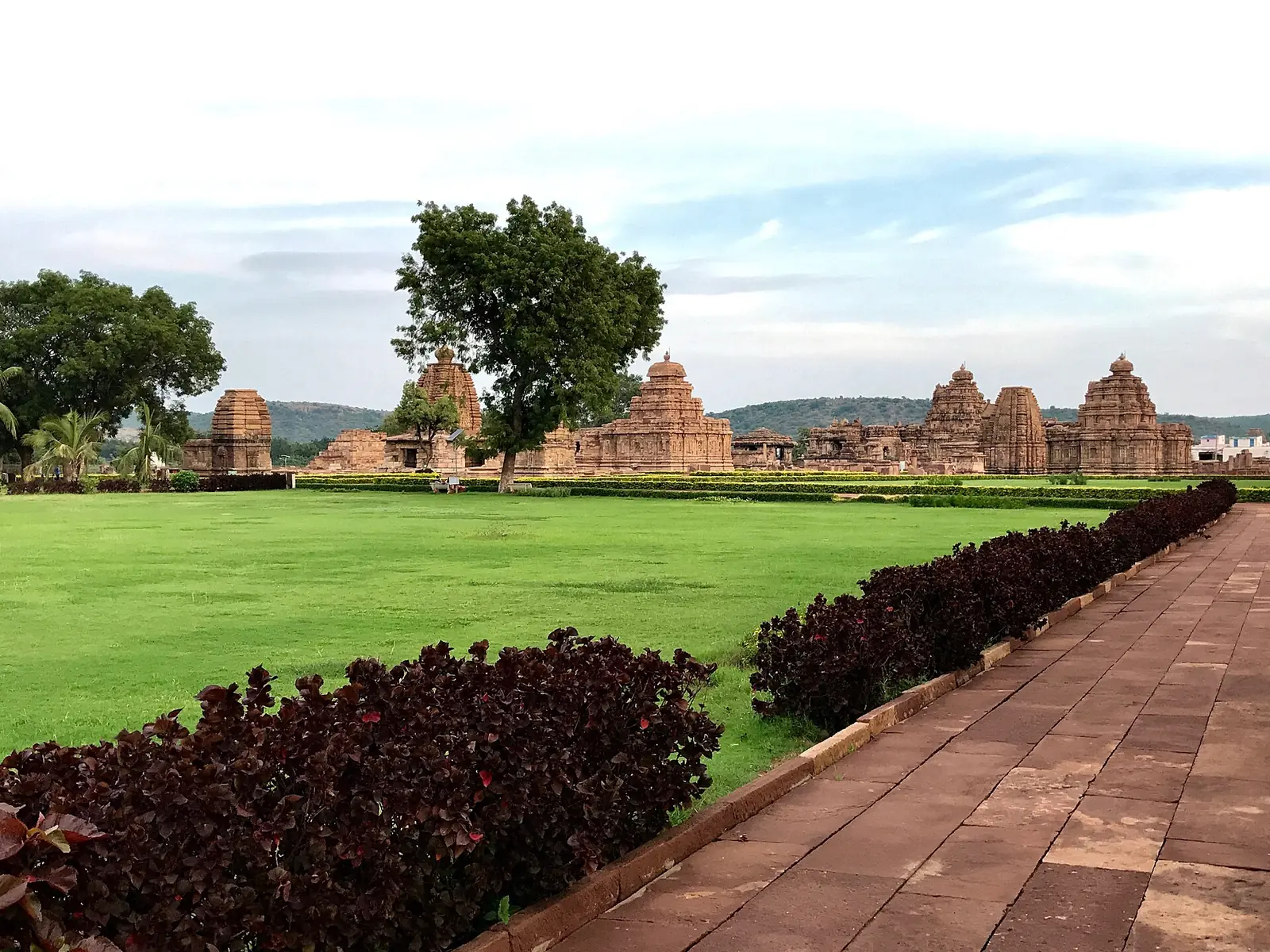
Within one enclosure stand temples with curved northern Nagara towers, Galaganatha, Kashivishvanatha, Jambulinga and Kadasiddheshvara, beside the square-storeyed southern vimanas of Sangameshvara, Virupaksha and Mallikarjuna. Papanatha mixes both. The Sangameshvara, raised by Vijayaditya, is the oldest of the big ones. Half a kilometre away a Jain temple from Rashtrakuta times shows how the place stayed sacred after the Chalukyas. The Chalukya kings were crowned here, and the name itself means the stone of the pattabhisheka. UNESCO listed the group in 1987.
The life of this place
- c. 720sVijayaditya builds the Sangameshvara temple.
- c. 740Vikramaditya II takes Kanchipuram and spares its temples.
- c. 745Lokamahadevi builds the Virupaksha (Lokeshvara) temple; Trailokyamahadevi the Mallikarjuna.
- 1987UNESCO World Heritage listing.
About 22 km from Badami; see Badami, Aihole and Pattadakal together over two days. The Virupaksha temple is in daily worship.