
Bharat and the sea
Five thousand years on the Indian Ocean: Lothal’s dock, Roman gold at Muziris, Kalinga’s sailors, the Chola fleet to Srivijaya, the merchant guilds, and the admirals who fought the European navies.
26Samudra: the sea
Trade routes
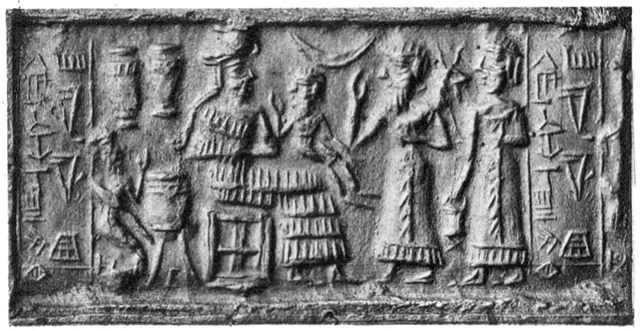 c. 2350–1800 BCEMeluhha in Mesopotamian recordsAkkadian and Sumerian texts name a far land called Meluhha whose ships brought carnelian, timber and ivory.
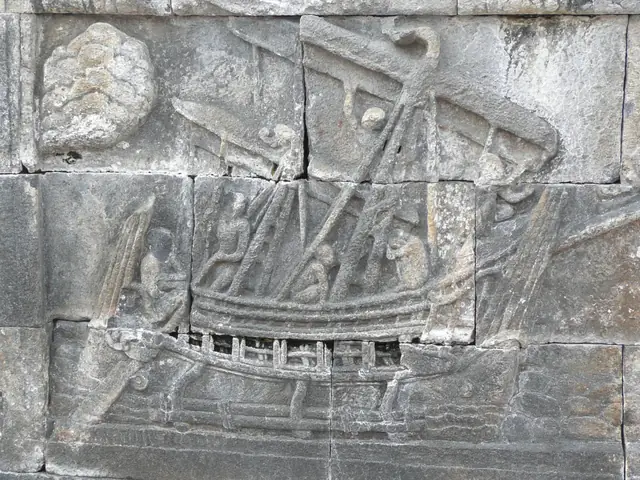 7th–11th century CESrivijaya, the Shailendras and BharatSrivijaya at Palembang held the Strait of Malacca, and the Shailendras of Java built Borobudur.
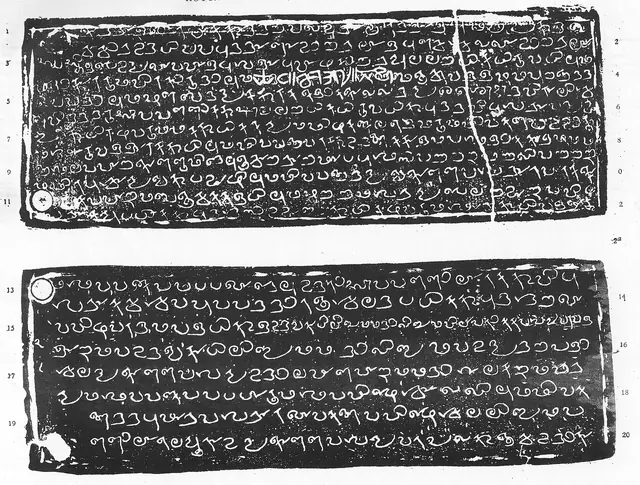 9th–13th century CEManigramam and the Ainurruvar: the merchant guildsSouth Indian merchant guilds, the Manigramam and the Five Hundred of Ayyavole (Ainurruvar), left inscriptions from Kerala to Sumatra.
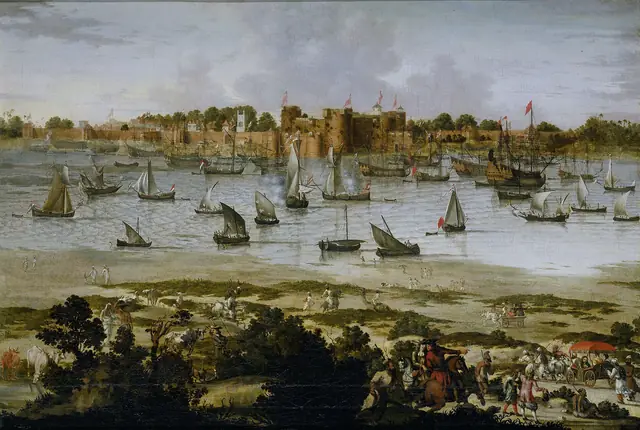 c. 15th–18th century CEGujarati merchants of the Indian OceanFrom Khambhat and later Surat, Gujarati merchants and sailors carried cloth, indigo and grain to Malacca, the Red Sea and East Africa.
Great ports
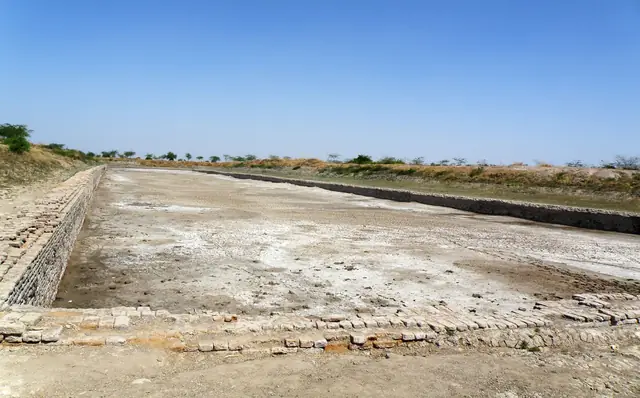 c. 2400–1900 BCELothal and Harappan sea tradeLothal sits near the head of the Gulf of Khambhat, and its brick-lined basin is read by its excavator as the oldest dock yet found.
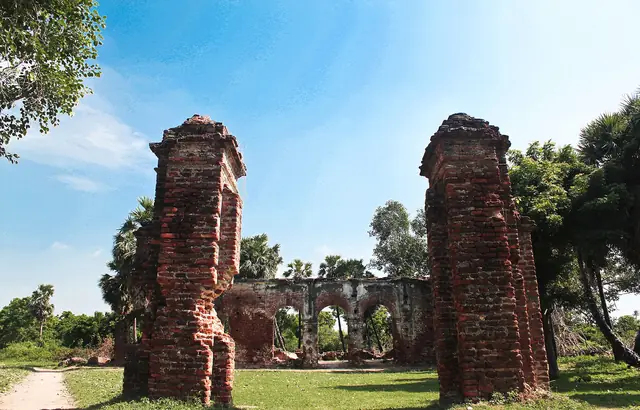 c. 2nd century BCE – 2nd century CEArikamedu and the Roman tradeArikamedu, just south of Puducherry, was a bead-making and trading town where Italian tableware and Mediterranean wine jars have been dug up.
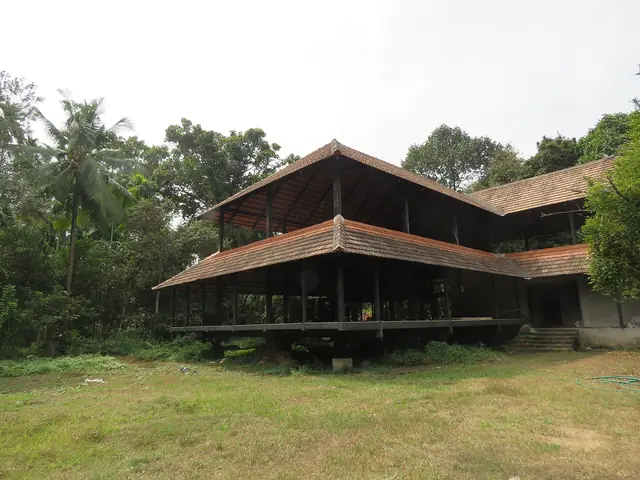 c. 1st century BCE – 4th century CEMuziris, the pepper portMuziris, Muchiri in Tamil, was the chief port of the Chera kings near the mouth of the Periyar.
Navies and admirals
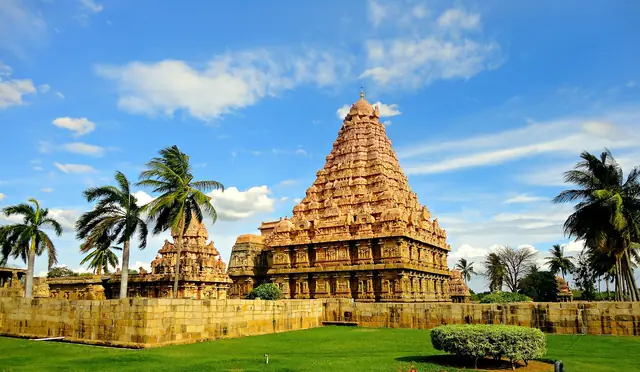 c. 993–1070 CE; Srivijaya expedition 1025The Chola navy and the 1025 expeditionRajaraja Chola I took northern Lanka and the Maldives; his son Rajendra I sent a fleet across the Bay of Bengal in 1025 and struck Kadaram and the ports of Srivijaya.
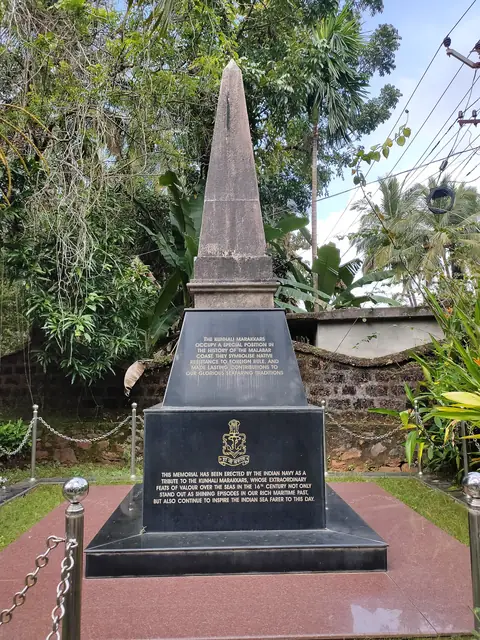 16th century; Kunjali IV executed 1600The Kunjali Marakkars and the Zamorin’s fleetKunjali was the title of the admirals of the Samoothiri (Zamorin) of Kozhikode.
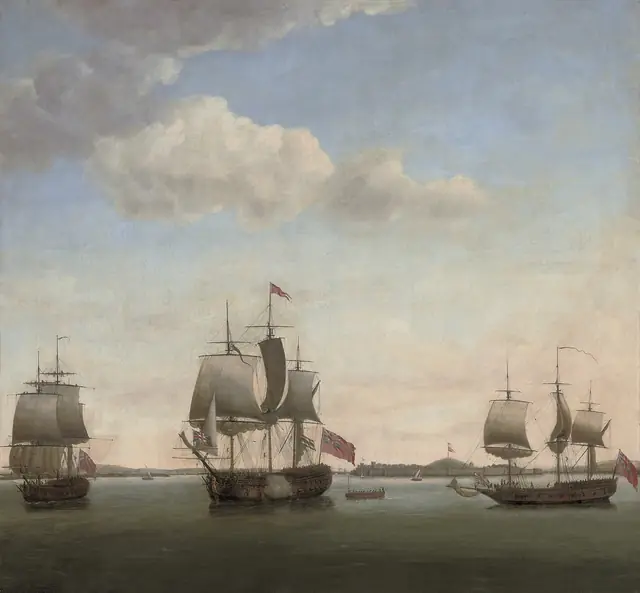 1612 to 26 January 1950Origins of the Indian NavyThe Indian Navy traces its line to the East India Company’s Marine, formed at Surat in 1612.
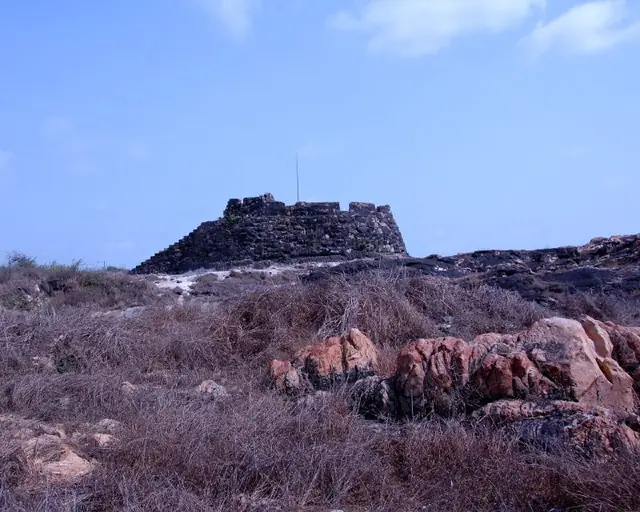 1657–1680; Sindhudurg begun 1664Shivaji’s navy and the sea fortsChhatrapati Shivaji built the first Indian war fleet of the modern age on the Konkan, and ringed the coast with sea forts.
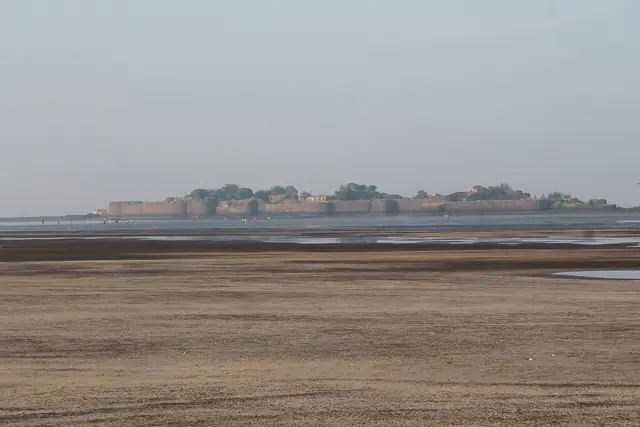 Sarkhel 1698–1729; Angre fleet to 1756Kanhoji Angre and the Maratha navyKanhoji Angre, Sarkhel of the Maratha fleet, held the Konkan coast for three decades against the English, Portuguese, Dutch and Siddis, and was never beaten at sea.
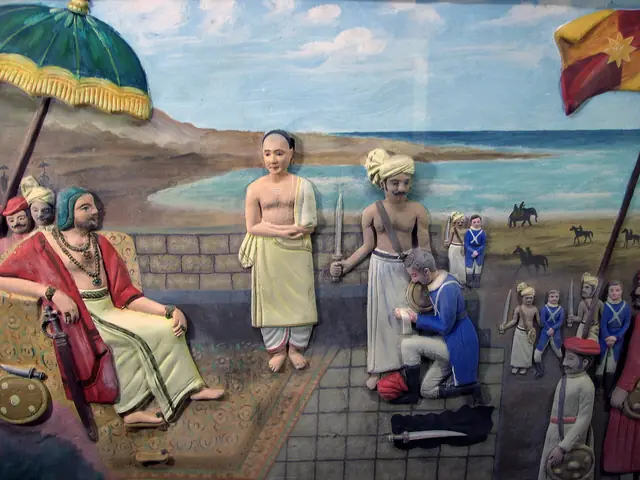 10 August 1741Kolachel 1741: Travancore stops the DutchAt Kolachel in 1741 Marthanda Varma of Travancore defeated a landing force of the Dutch East India Company.
Ships and shipbuilding
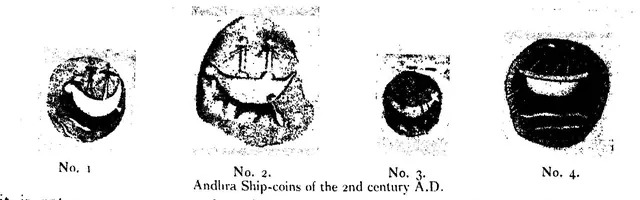 c. late 2nd century CE (Yajna Sri Satakarni)The Satavahana ship coinsLead and potin coins of the Satavahanas, most of them attributed to Yajna Sri Satakarni, carry a two-masted ship.
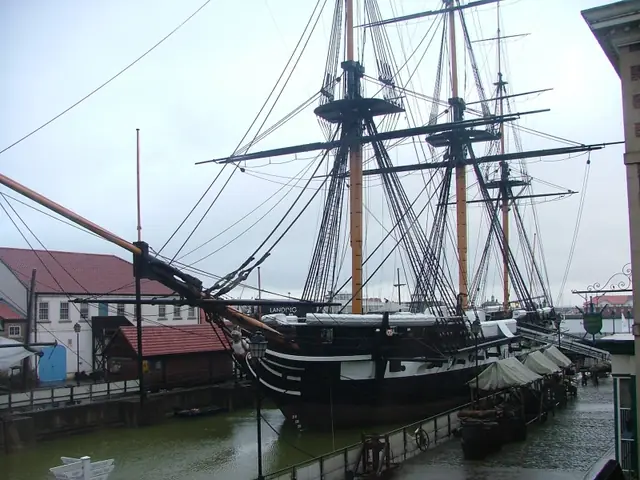 16th–19th century CEIndian sailors and shipwrights in the European ageEuropean fleets in Indian waters ran on Indian skill.
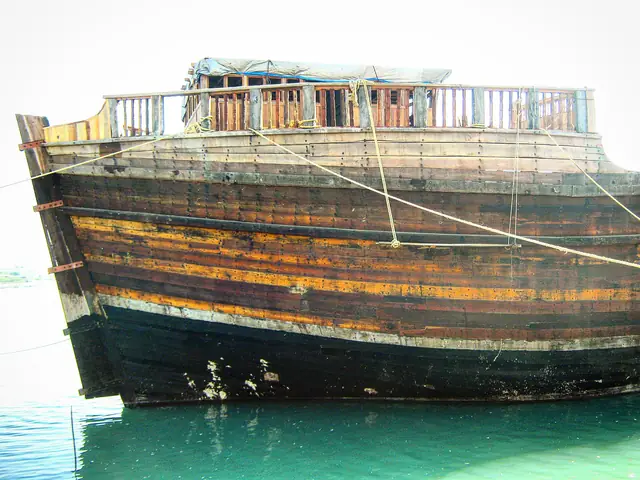 From the late 16th century to todayThe dhow-builders of MandviOn the Rukmavati river at Mandvi in Kutch, wooden ships are still built by hand on the beach.
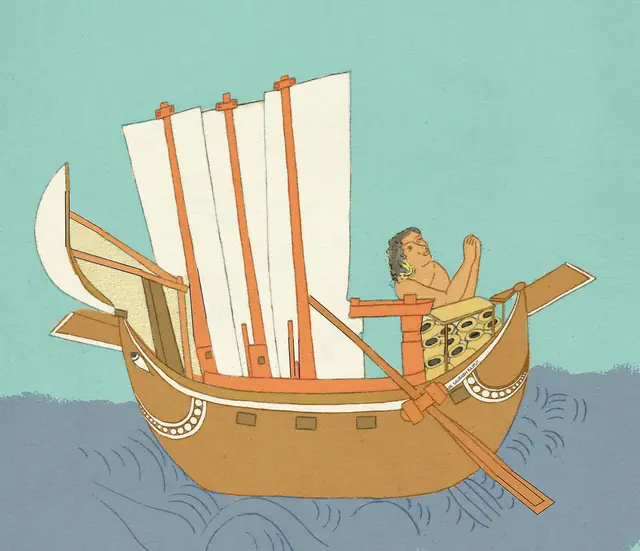 Inducted 21 May 2025; Porbandar to Muscat, 29 Dec 2025 – 14 Jan 2026INSV Kaundinya, the stitched shipINSV Kaundinya is a sailing ship built the old way, its planks sewn together with coir rope, after a ship painted in the Ajanta caves.
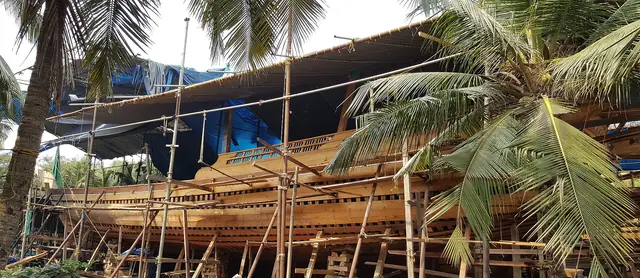 Living traditionThe uru of BeyporeAt Beypore, at the mouth of the Chaliyar near Kozhikode, carpenters still build the uru, the big wooden trading ship of the Arabian Sea, and launch it by hand with ropes and rollers.
Voyages
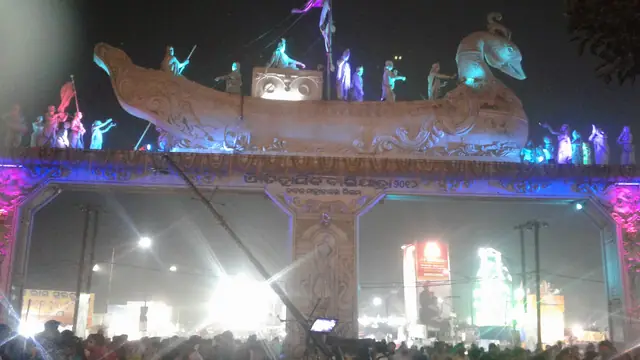 From the Maurya age; Bali Yatra every Kartik PurnimaKalinga’s sea trade and Bali YatraThe sadhabas, the sea merchants of Kalinga, sailed their boitas to Lanka, Java, Sumatra and Bali.
 c. 6th–9th century CEPallava links to Southeast AsiaFrom the Pallava port of Mamallapuram, ships crossed to the Malay peninsula, Java and Cambodia.
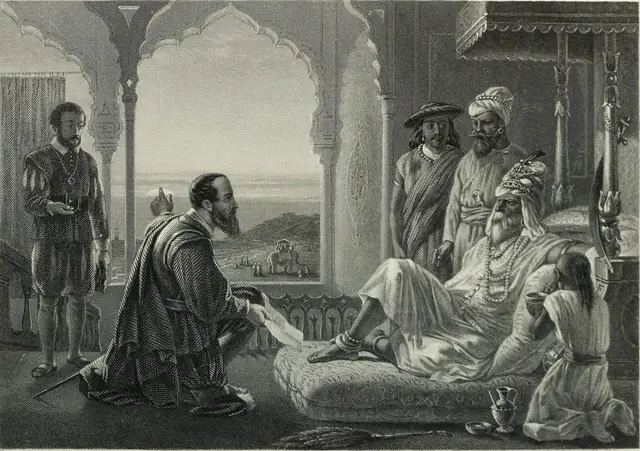 April–May 1498Sea pilots and the Gujarati who guided da GamaVasco da Gama did not find the way to India alone.
In the texts
Tc. mid-1st century CEThe monsoon, Hippalus and the PeriplusThe Periplus of the Erythraean Sea is a Greek merchant’s handbook to the ports of India.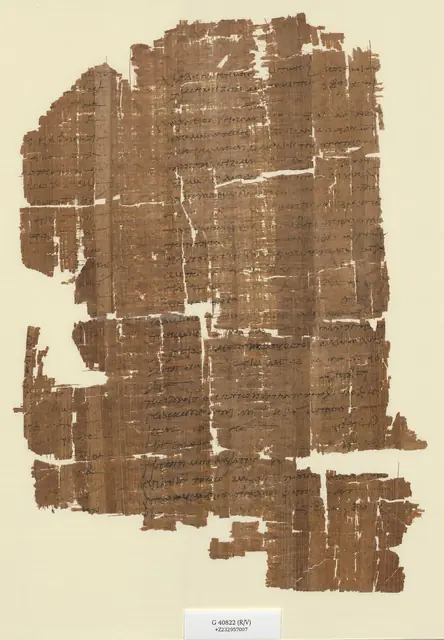 c. mid-2nd century CEThe Muziris papyrusA Greek papyrus in Vienna, P.
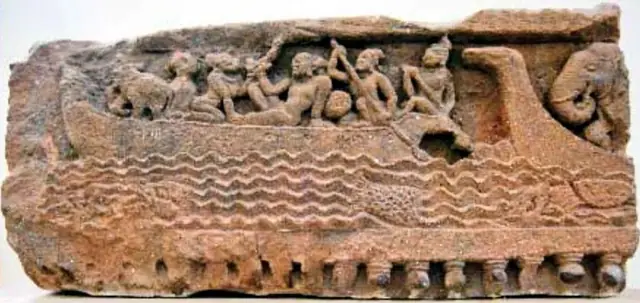 Attributed to Raja Bhoja, 11th century CEYukti Kalpataru: a Sanskrit text on shipsThe Yukti Kalpataru, a Sanskrit compendium attributed to Raja Bhoja of Dhar, has a section on ships: their kinds, sizes, woods and fittings.TVedic age and the ItihasaThe sea in the Vedas and the ItihasaThe Rigveda speaks of samudra, of ships on it and of a rescue at sea by the Ashvins.
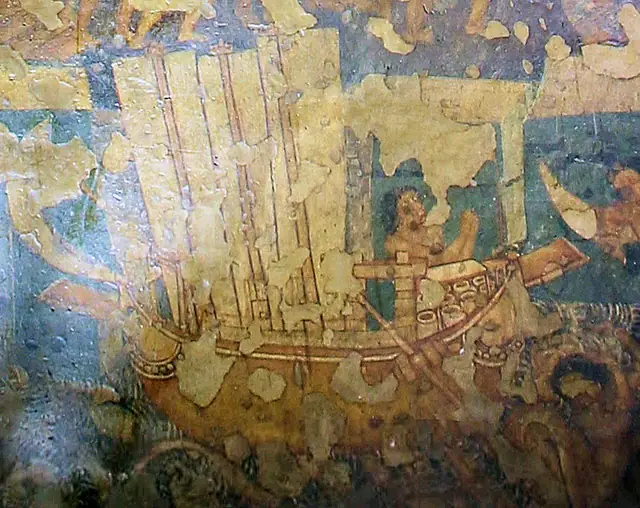 Jataka collection, Pali canonSea voyages in the JatakasThe Jatakas, the Buddhist birth-stories, are full of merchants who sail from Bharukaccha and Champa to Suvarnabhumi and Baveru, with shipwrecks, pilots and a sea goddess.
c. mid-2nd century CEThe Muziris papyrusA Greek papyrus in Vienna, P.Attributed to Raja Bhoja, 11th century CEYukti Kalpataru: a Sanskrit text on shipsThe Yukti Kalpataru, a Sanskrit compendium attributed to Raja Bhoja of Dhar, has a section on ships: their kinds, sizes, woods and fittings.TVedic age and the ItihasaThe sea in the Vedas and the ItihasaThe Rigveda speaks of samudra, of ships on it and of a rescue at sea by the Ashvins.Jataka collection, Pali canonSea voyages in the JatakasThe Jatakas, the Buddhist birth-stories, are full of merchants who sail from Bharukaccha and Champa to Suvarnabhumi and Baveru, with shipwrecks, pilots and a sea goddess.