01Dharmakshetre Kurukshetre
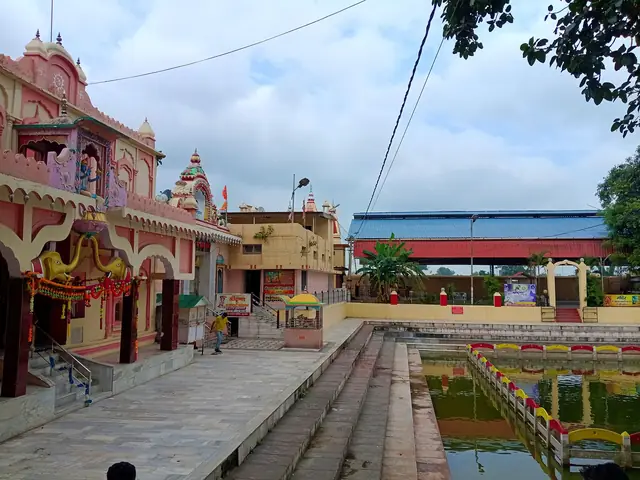
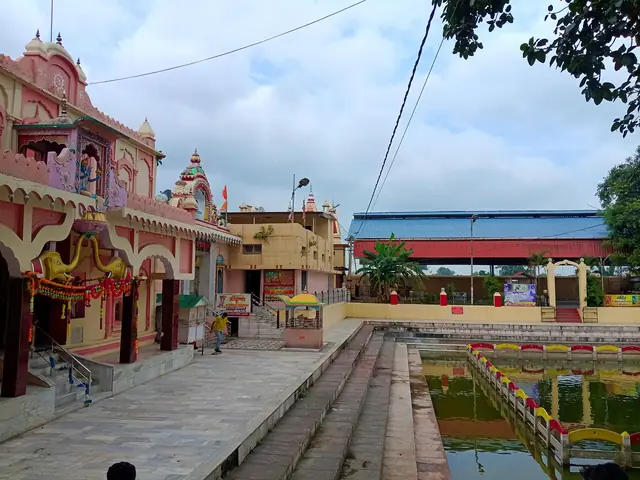
The Gita’s first words name this ground. The Mahabharata says King Kuru ploughed it with a golden plough and won from Indra the boon that whoever died here would reach heaven; that is why the eighteen-day war was fought on it. At Jyotisar, under a banyan said to descend from the very tree, Krishna showed Arjuna the Vishvarupa. Bhishma lay on his bed of arrows at Narkatari, where Arjuna shot an arrow into the earth to bring up water for him. The 48-kos parikrama of Kurukshetra takes in more than a hundred tirthas, among them Brahma Sarovar and Sannihit Sarovar, where lakhs bathe at a solar eclipse.
02Thanesar and the raid of 1014
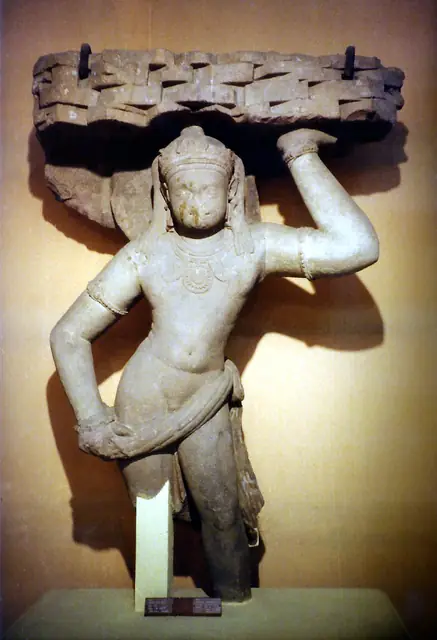
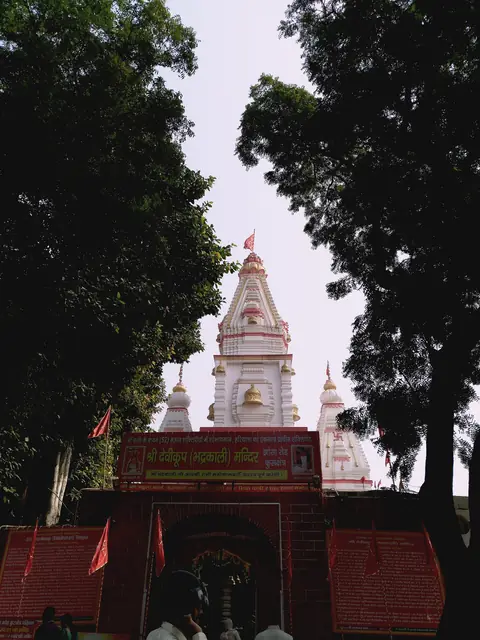
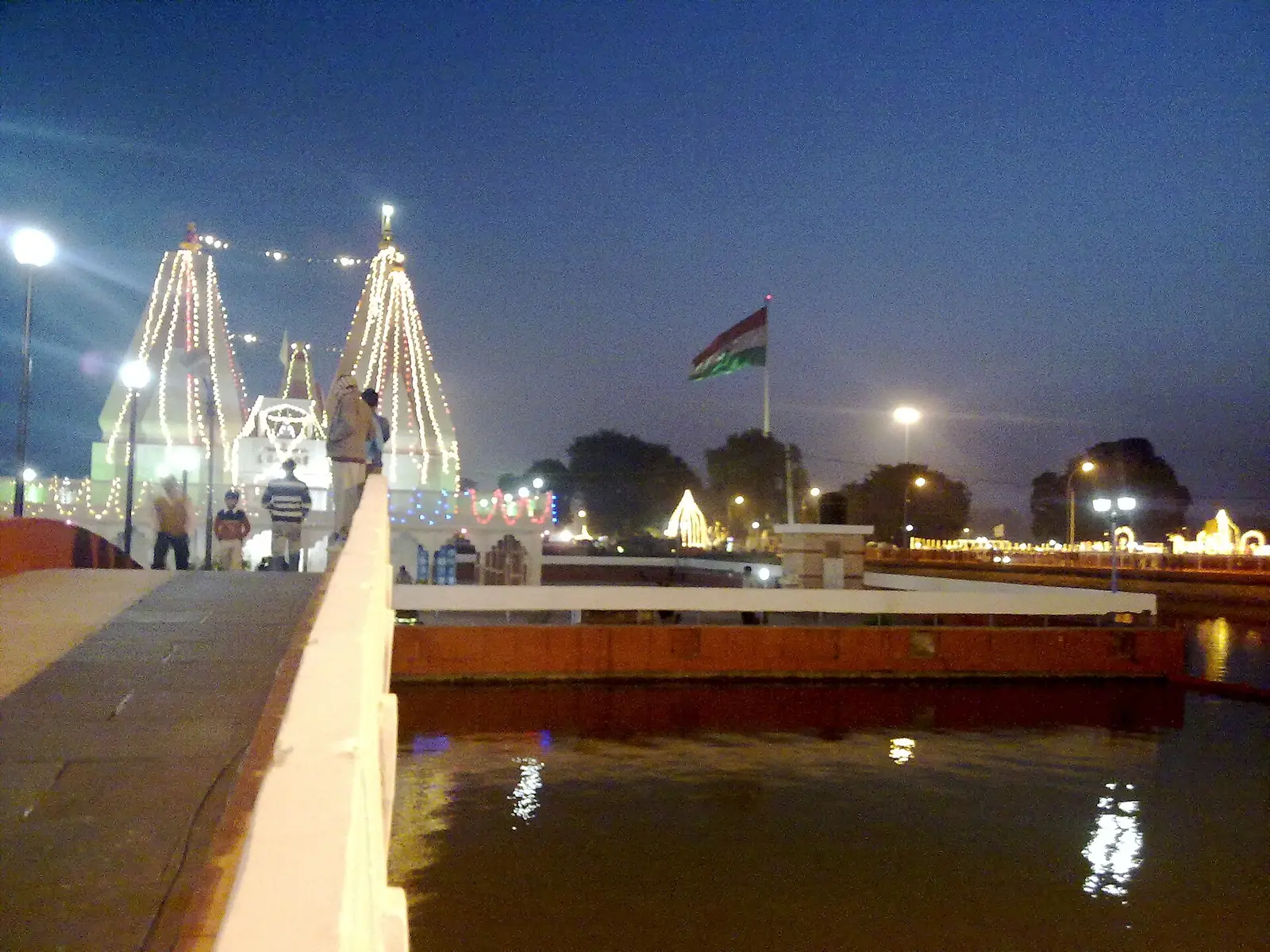
Sthanvishvara, now Thanesar, was the capital of Prabhakaravardhana and his son Harsha, whose court poet Banabhatta describes the city in the Harshacharita. Its Sthaneshwar Mahadev temple is the town’s oldest shrine. In 1014 Mahmud of Ghazni raided Thanesar. Al-Biruni records that the bronze image of Chakraswamin, Vishnu with the discus, was carried off to Ghazni and thrown into the hippodrome there. The International Gita Mahotsav is now held at Brahma Sarovar every year in Margashirsha around Gita Jayanti.
The life of this place
- 606Harsha becomes king at Sthanvishvara.
- 1014Mahmud of Ghazni sacks Thanesar and carries off the Chakraswamin image (Al-Biruni).
Jyotisar is 5 km from Kurukshetra town; Brahma Sarovar has an evening aarti. The Shri Krishna Museum and the Kurukshetra Panorama are near the sarovar.