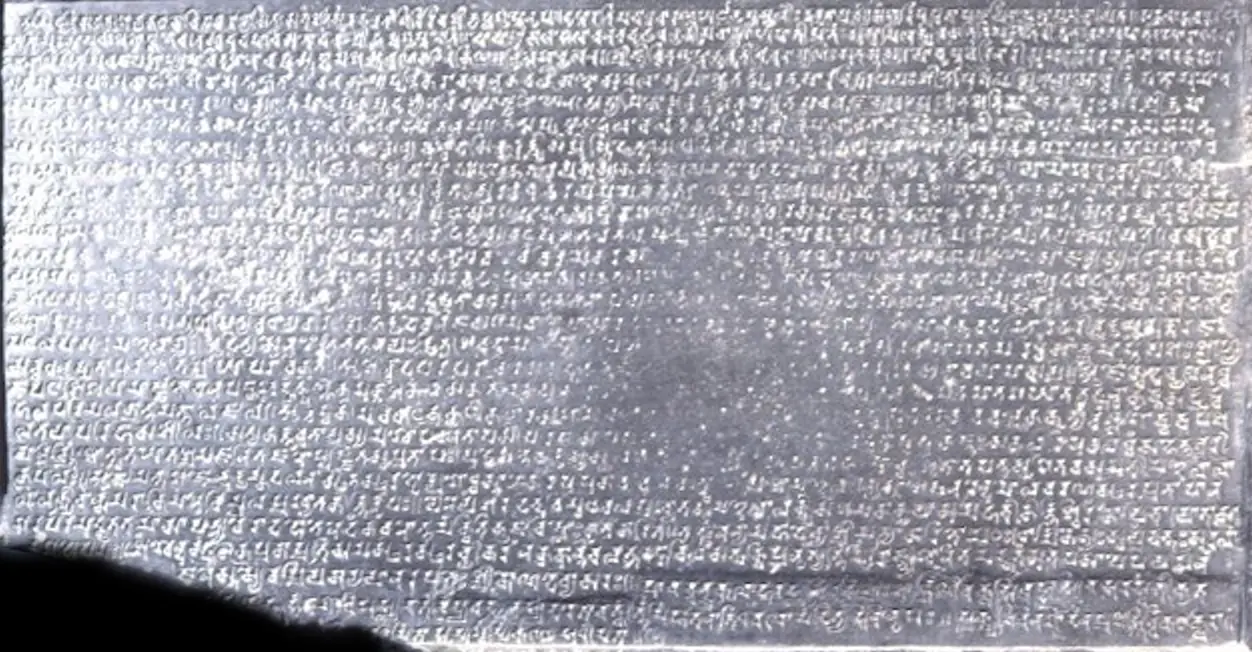
01The stone of Adityasena
The Aphsad inscription, published by J. F. Fleet in the Corpus Inscriptionum Indicarum, is the backbone of what we know of the Later Guptas of Magadha. It names Krishnagupta and his successors down to Adityasena, and tells of their wars with the Maukharis, and of Mahasenagupta’s victory over Susthitavarman on the banks of the Lauhitya, the Brahmaputra. It records that Adityasena built a temple to Vishnu here, that his mother Shrimati founded a matha, and that his queen Konadevi had a tank dug. The stone was taken from the village in the 19th century; its present whereabouts are uncertain, and scholars work from Fleet’s impressions.
02The mound and the Varaha
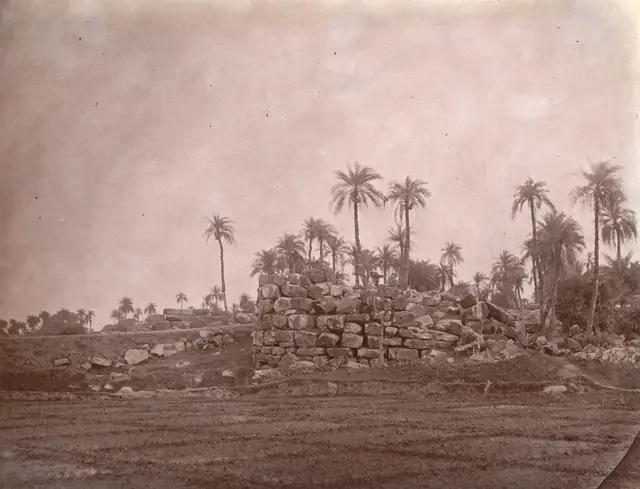
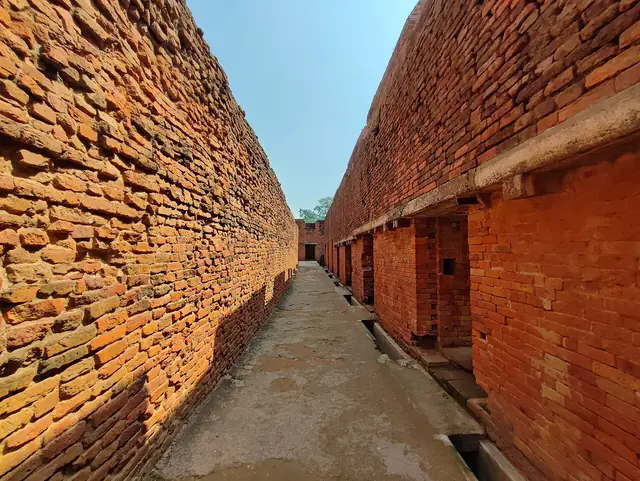
What remains at Aphsad is a high brick mound, the ruin of Adityasena’s temple, with traces of stucco panels showing scenes from the Ramayana that were recorded in the 20th century. A large stone Varaha, the boar avatar of Bhagwan Vishnu, lies close by and is worshipped by the villagers. The Archaeological Survey of India protects the mound, and excavations have exposed its terraced base. Aphsad lies in the same corner of old Magadha as Rajgir and Nalanda, a reminder that Vaishnava kings and Buddhist monasteries stood side by side in the 7th century.
The life of this place
- second half of the 7th centuryAdityasena builds the Vishnu temple and sets up the Aphsad inscription.
- 1888Fleet publishes the inscription in the Corpus Inscriptionum Indicarum, Vol. III.