01Harita and Eklingji
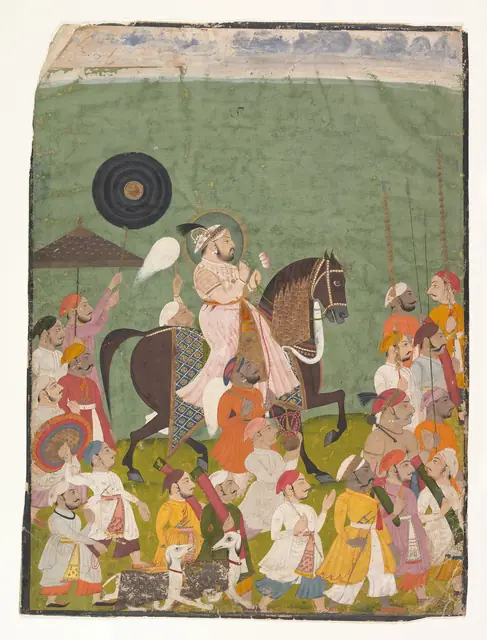
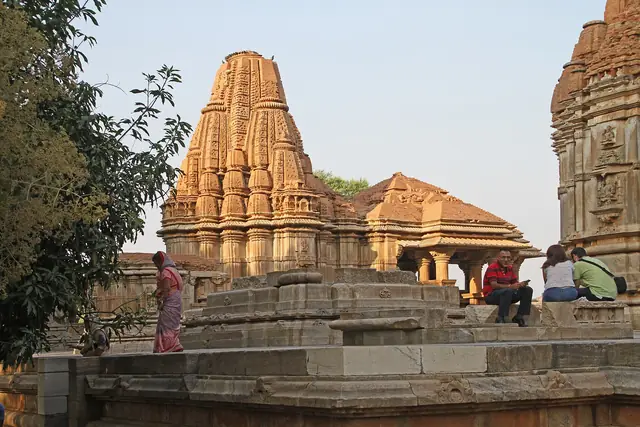
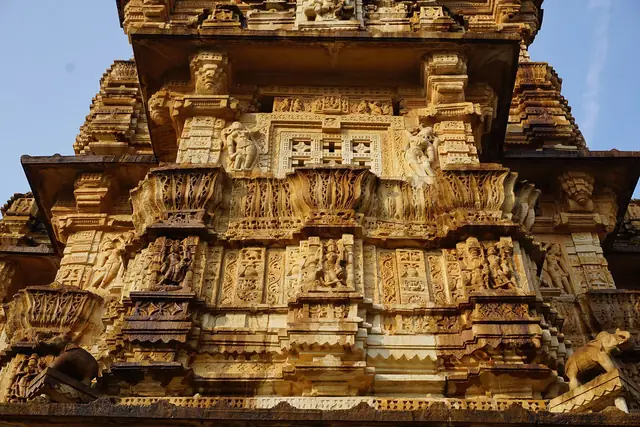
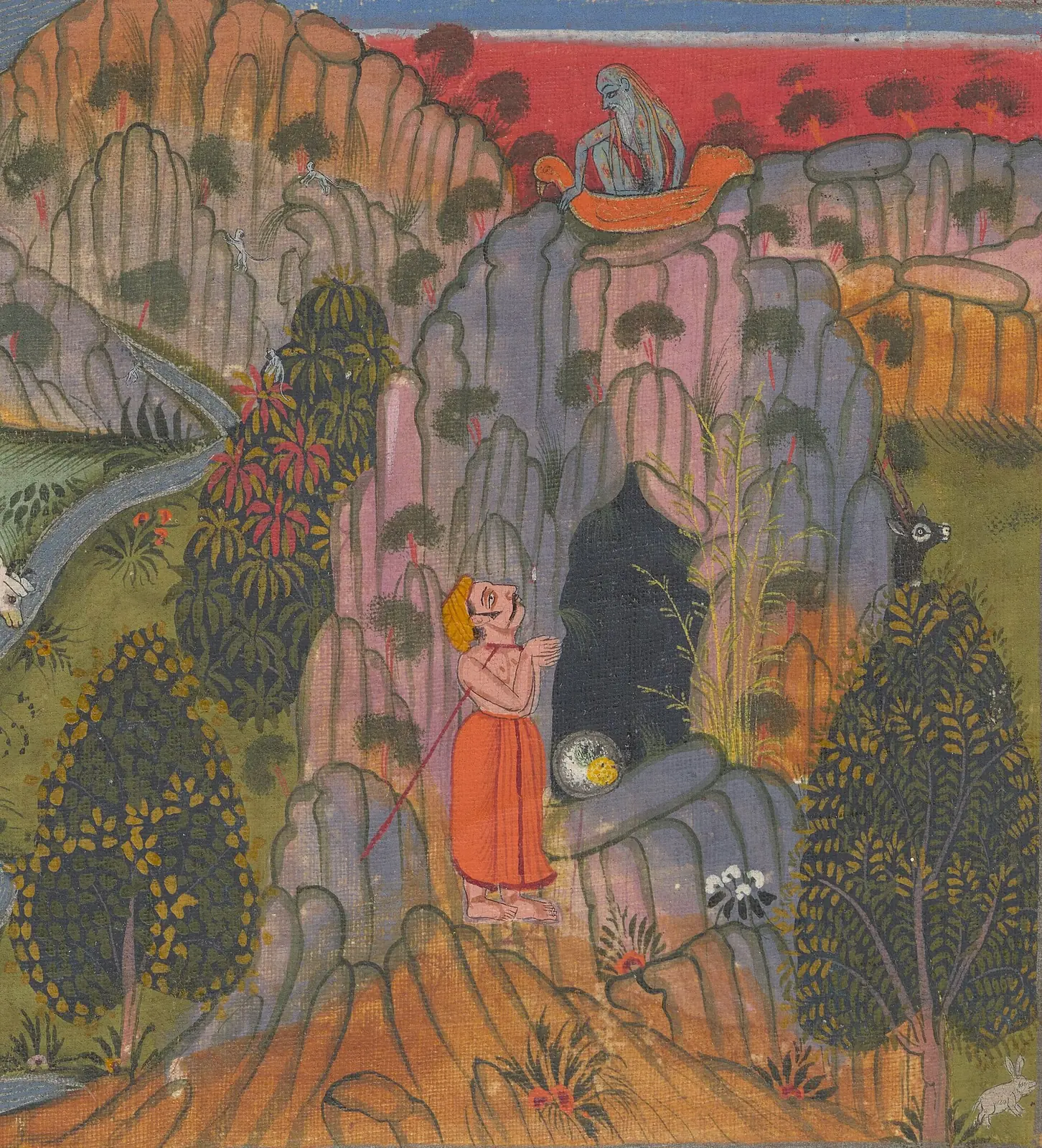
In the hills north of Udaipur, at Nagda, the boy Bappa tended cows and served the sage Harita at a shrine of Shiva. Pleased, the sage gave him the kingdom, and Bhagwan Eklinga became the true king of Mewar, the Rana ruling only as his dewan. That is how the house of Mewar has told it for centuries, and every Maharana since has ruled in Eklingji’s name. The Chittor inscription of 1274 and the Abu inscription of 1285 already tell of Bappa and Harita; the Ekalinga Mahatmya of the fifteenth century gives the full katha.
02Documented and remembered
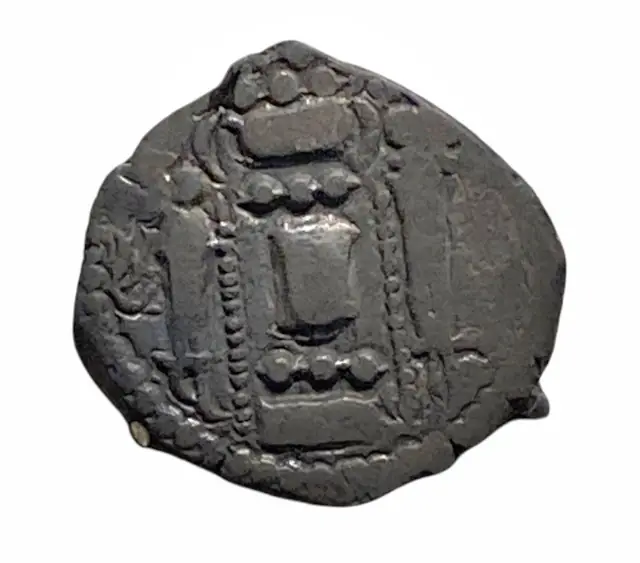
The Guhila kings appear in stone long before Bappa’s fame was written down: the Samoli inscription of 646 names Shiladitya of the line of Guha. Tenth-century Guhila records already name Bappa among their forebears. Mewar tradition says he took Chittor from the Mori ruler Man around 734, and that he fought the Arabs who had overrun Sindh, even pursuing them westward.
What is documented is the Arab defeat itself: between about 725 and 739 the raiders were thrown out of Rajasthan, Malwa and Gujarat. The inscriptions credit Nagabhata I and the Chalukyas of Lata. No contemporary record names Bappa, and his share in that war rests on tradition.