01The zero of 876
Cut into the rock on the eastern path up the fort is a small Vishnu temple, the Chaturbhuj. Its inscription, dated Vikram Samvat 933 (876 CE) in the reign of the Pratihara king Mihira Bhoja, records that Alla, keeper of the fort, made the temple, and that the town gave a garden 270 hastas by 187 hastas and 50 garlands of flowers a day for the deity. In the numbers 270 and 50 the zero is written as a small circle, in the place-value system we use today. It is the oldest such zero in India whose date is certain.
02Teli ka Mandir and Sas-Bahu
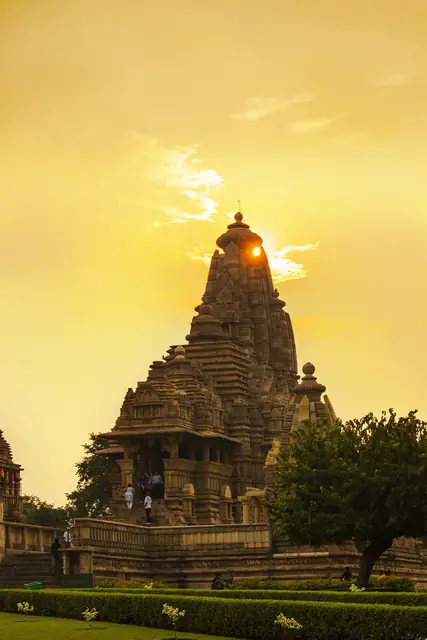
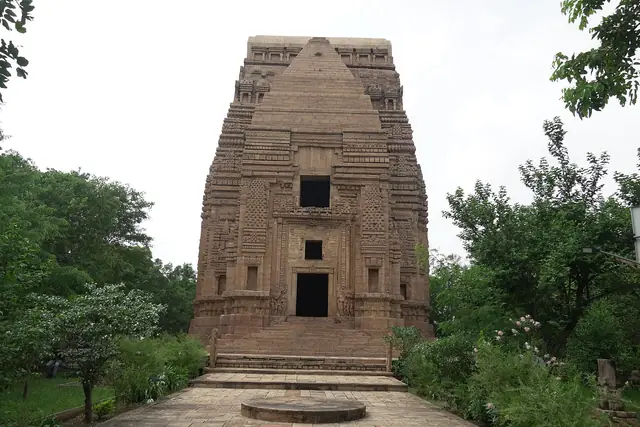
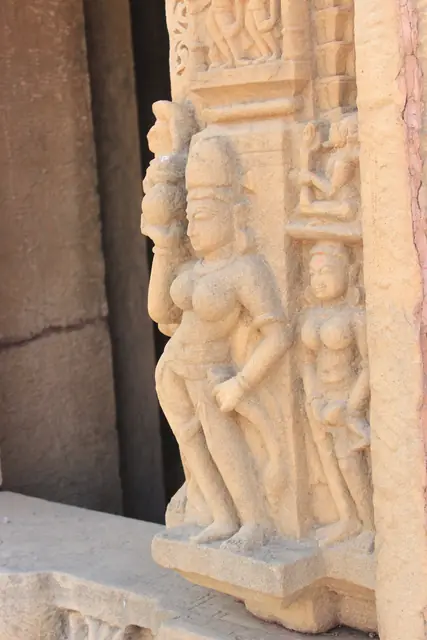
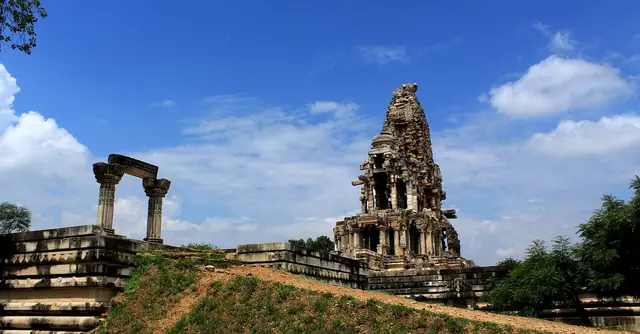
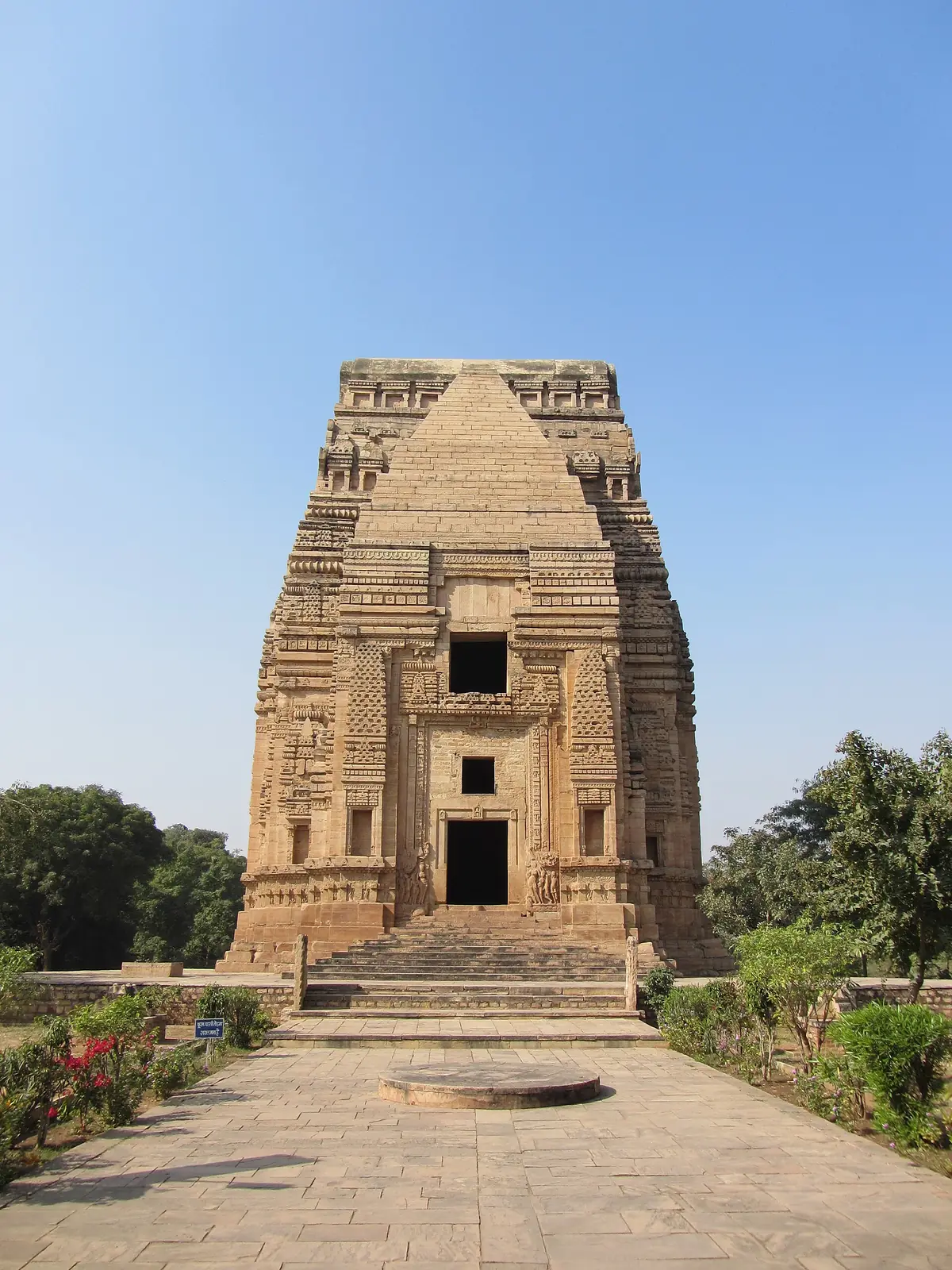
The tallest building on the fort is the Teli ka Mandir, about 30 metres high, of the 8th–9th century. Its roof is a barrel vault of the valabhi type, rare in the north, and Garuda is carved over the door. On the eastern edge stand the two Sas-Bahu temples, properly Sahasrabahu, to Vishnu. An inscription in the larger one records that the Kachchhapaghata king Mahipala completed it in 1093. Its shikhar is gone, but the pillared mandapa, three storeys high inside, still stands.
03Many masters
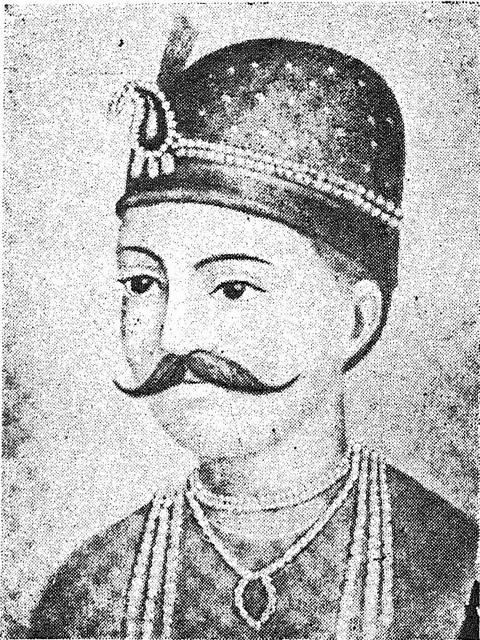
Qutb-ud-din Aibak took the fort in 1196, and Iltutmish took it again in 1232 after a long siege. In 1398 the Tomars won it, and Raja Man Singh Tomar (r. 1486–1516) built the Man Mandir palace with its blue and yellow tiles. Ibrahim Lodi’s army took it in 1518. Babur, visiting in 1528, wrote in his memoir that he ordered the Jain colossi carved in the Urwahi valley cliffs destroyed; their faces were broken. Under the Mughals it was a state prison, and Guru Hargobind was held here; the Sikhs remember his release with 52 rajas as Bandi Chhor Divas. The Marathas held it in the 18th century, and the British took it in June 1858 days after Rani Lakshmibai fell in battle nearby.
The life of this place
- 876 CEChaturbhuj temple inscription with the zero, under Mihira Bhoja.
- 1093 CEMahipala Kachchhapaghata completes the Sahasrabahu temple.
- 1196 CETaken by Qutb-ud-din Aibak.
- 1232 CERetaken by Iltutmish after a long siege.
- 1398 CEThe Tomars take the fort.
- 1486–1516 CEMan Singh Tomar builds the Man Mandir.
- 1518 CETaken by Ibrahim Lodi’s army.
- 1528 CEBabur orders the Urwahi Jain colossi destroyed.
- June 1858Taken by the British after Rani Lakshmibai’s death nearby.
Enter by the Urwahi road to see the Jain rock images, leave by the Gwalior Gate path past the Chaturbhuj temple. The light-and-sound show at Man Mandir runs in the evening.