01Amoghavarsha’s city
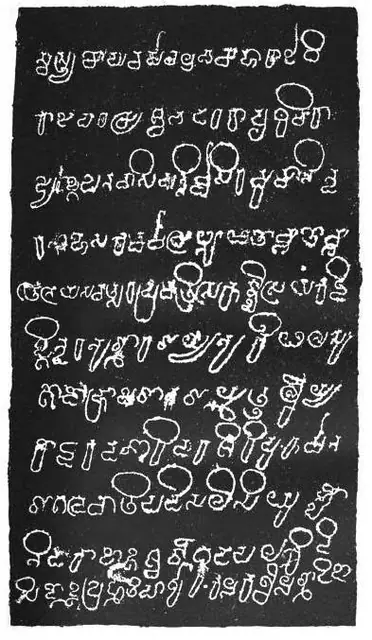
Amoghavarsha I, who came to the throne as a boy in 814 and ruled for over sixty years, moved the Rashtrakuta capital to Manyakheta. Under him and his successors it became a city of poets and teachers. The Kavirajamarga, the earliest surviving work on Kannada poetics, was written in his court; the Jain acharyas Jinasena and Gunabhadra worked here, and in the 960s the poet Pushpadanta wrote his Apabhramsha Mahapurana in the city. The Arab traveller al-Masudi, who visited the coast in the early tenth century, calls the Rashtrakuta king the Balhara and counts him among the four great kings of the world.
02The sack of 972 and after
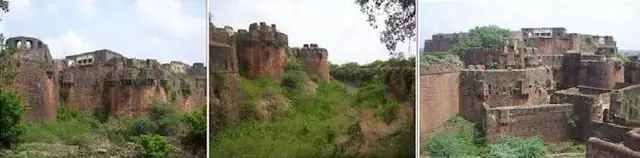
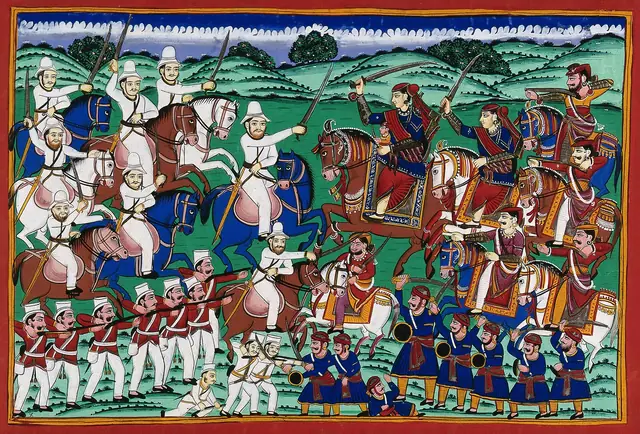
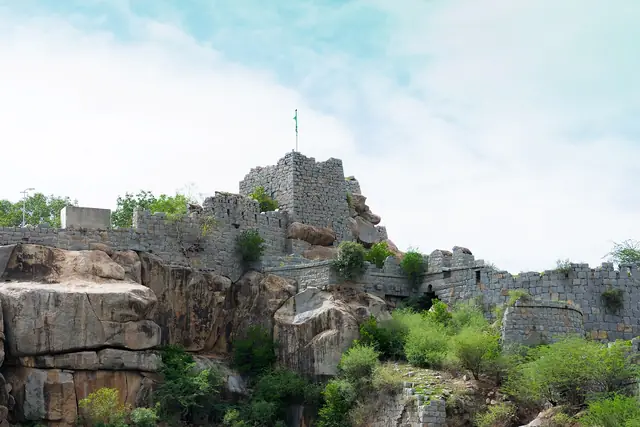
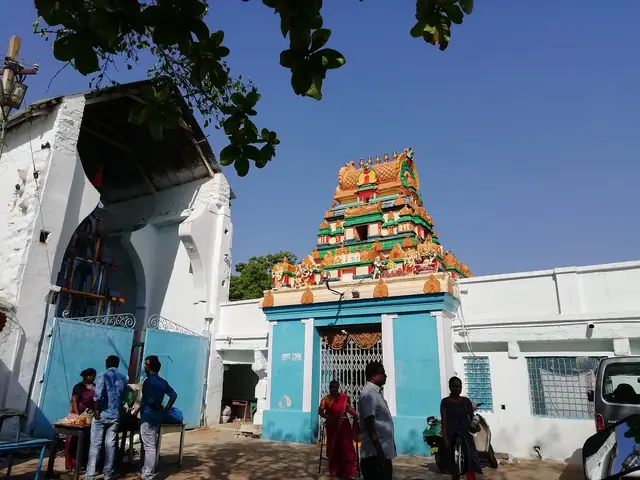
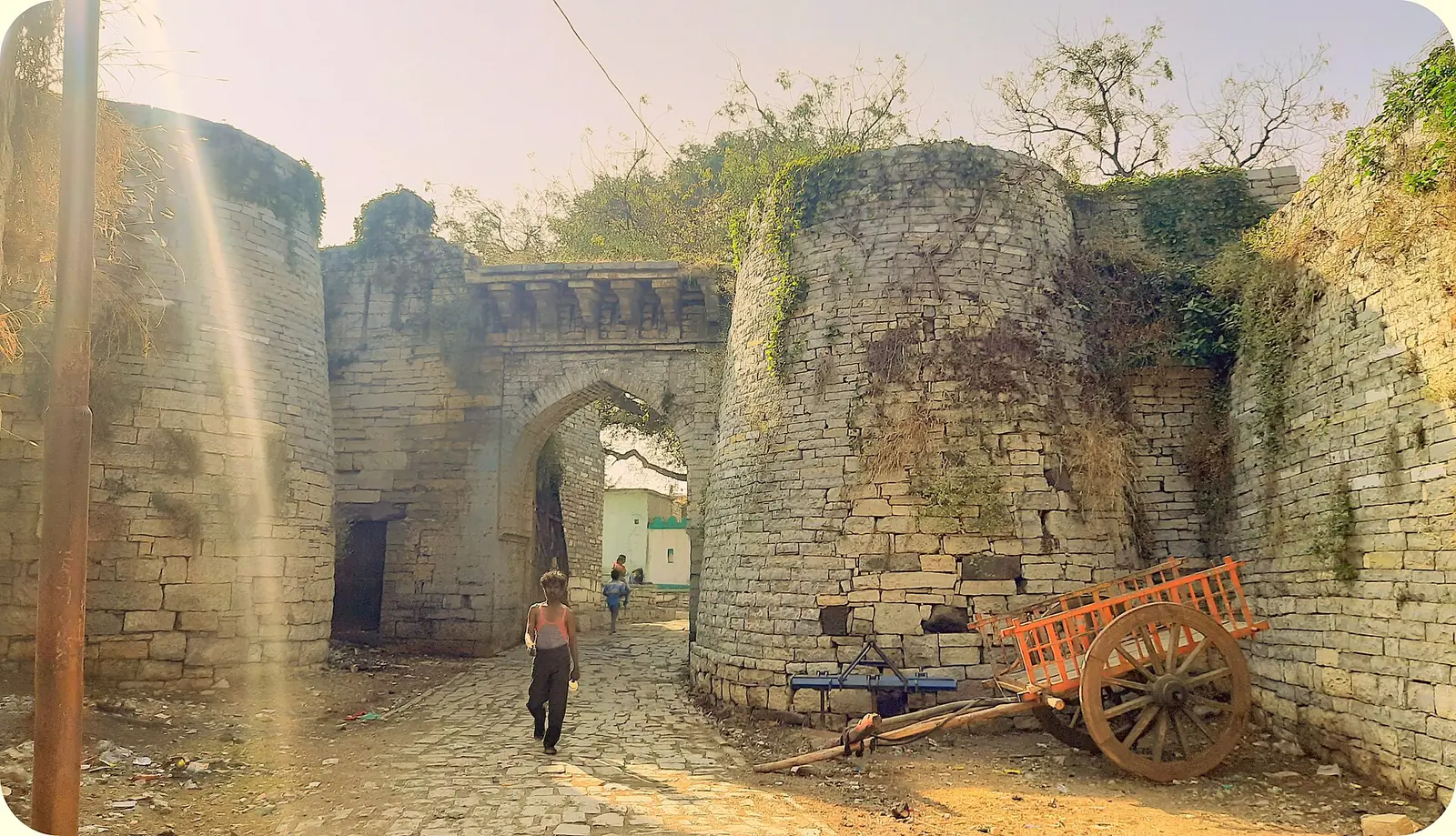
In 972 the Paramara Siyaka II of Malwa, a former Rashtrakuta feudatory, marched south and sacked Manyakheta, and the next year the Chalukya Tailapa II overthrew the last Rashtrakuta king, Karka II. The Kalyani Chalukyas ruled from Manyakheta for some decades before moving to Kalyani. Later forts were raised on the old site, and their walls still stand above the river. Malkhed is also a place of pilgrimage for the followers of Madhvacharya: the brindavana of Jayatirtha, the great commentator of the Dvaita school, who passed away in 1388, is on the bank of the Kagina here.
The life of this place
- c. 818Amoghavarsha I makes Manyakheta his capital.
- 972The Paramara Siyaka II sacks Manyakheta.
- 973Tailapa II ends Rashtrakuta rule.
- 1388Jayatirtha’s brindavana is established at Malkhed.