01Harita’s shrine and Bappa
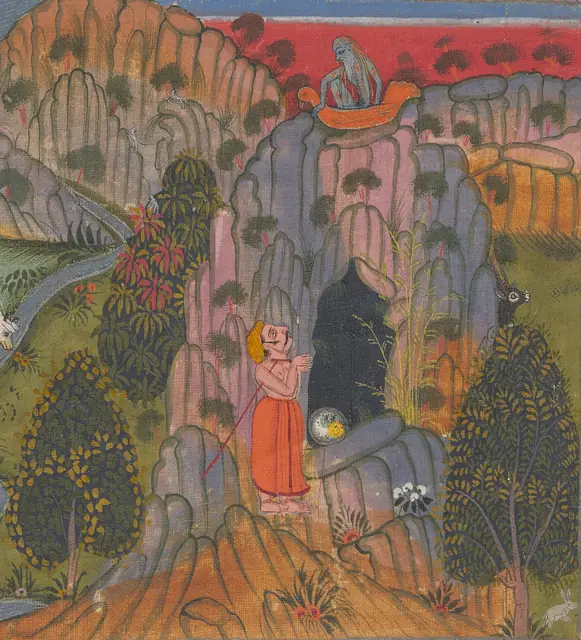
Mewar’s own tradition, set down in the Ekalinga Mahatmya and the bardic chronicles, puts the young Bappa at Nagda among the cowherds, tending a cow that gave her milk to a hidden linga. The sage Harita Rashi, who worshipped there, initiated him, and by his blessing Bappa won Chittor. The temple of Ekalingji at Kailashpuri, a short walk from Nagda, grew from that shrine, and every Maharana after him ruled as Ekalingji’s Diwan. The town itself is old: an inscription of the Guhila king Aparajita dated Vikram Samvat 718, that is 661 CE, was found at the Kundeshvara temple here.
02The Sas-Bahu temples
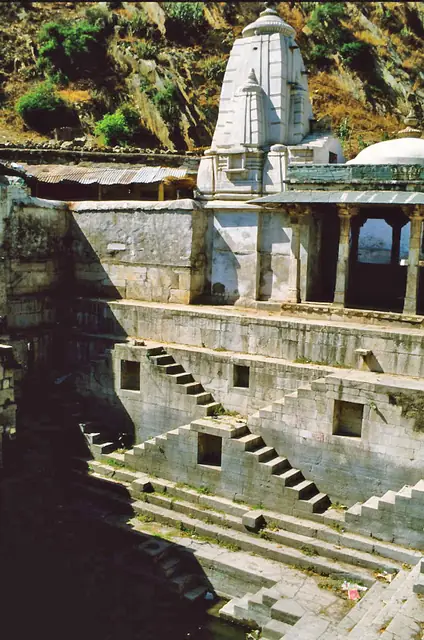
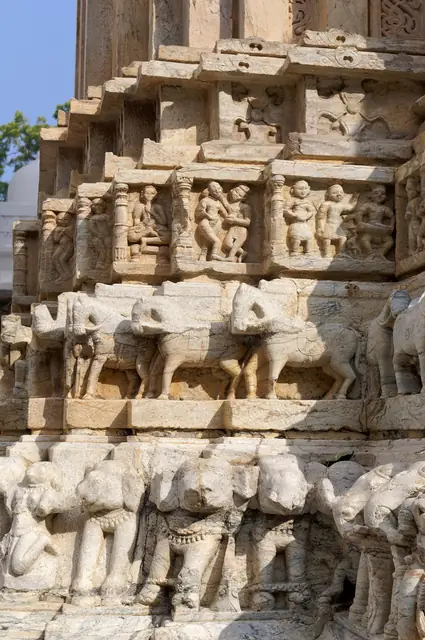
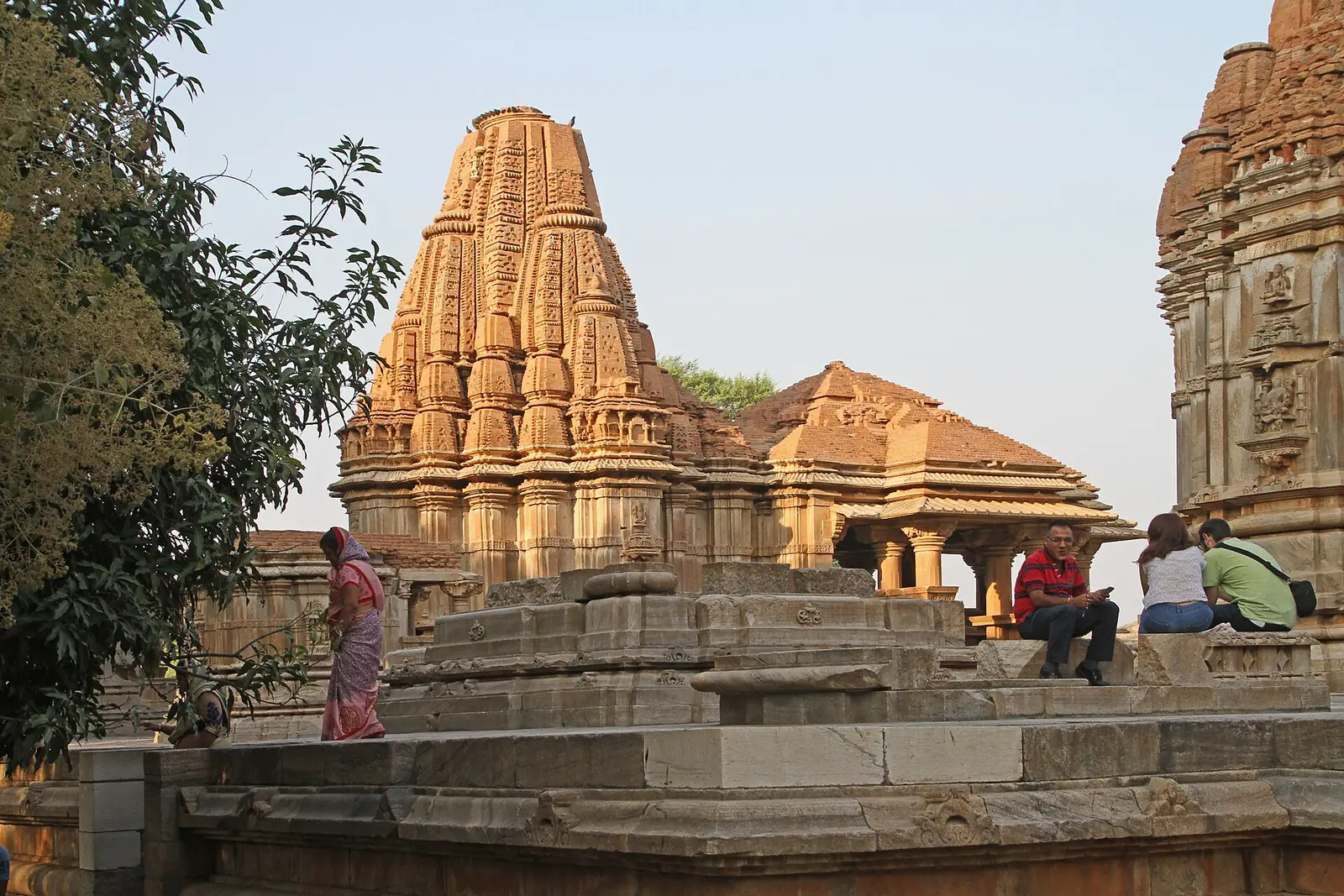
Of the old capital little is left but its temples. The Sas-Bahu pair, a corruption of Sahasrabahu, the thousand-armed Vishnu, stand on a common platform near the Bagela lake: the larger with a richly carved mandapa and a torana arch in front, the smaller beside it. Their pillars and ceilings are cut with apsaras, scenes of the Ramayana and the avatars, in the Maru-Gurjara manner of the tenth century. The sanctums are empty and the spires broken. The Guhila seat moved on to Chittor, and Nagda, once a royal town, became a village under the hill.
The life of this place
- 661 CEInscription of the Guhila king Aparajita is cut at the Kundeshvara temple, Nagda.
- 8th century (tradition)Bappa Rawal, disciple of Harita Rashi at Nagda, takes Chittor and founds the Ekalingji worship of the house.
- c. 10th centuryThe Sas-Bahu (Sahasrabahu) temples are built by the lake.
Nagda is about 22 km north of Udaipur, a short detour from Eklingji; the Sas-Bahu temples are an ASI site.