01Sthanu’s city
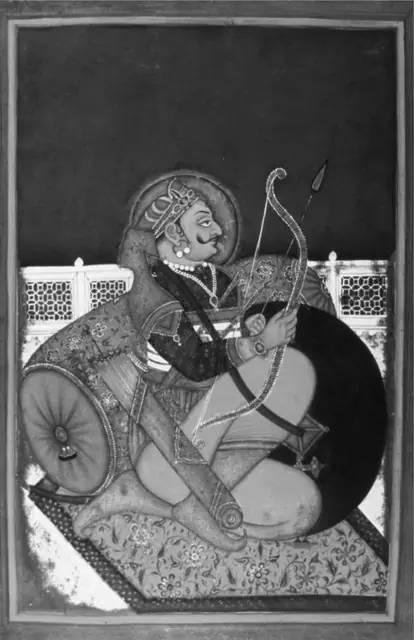
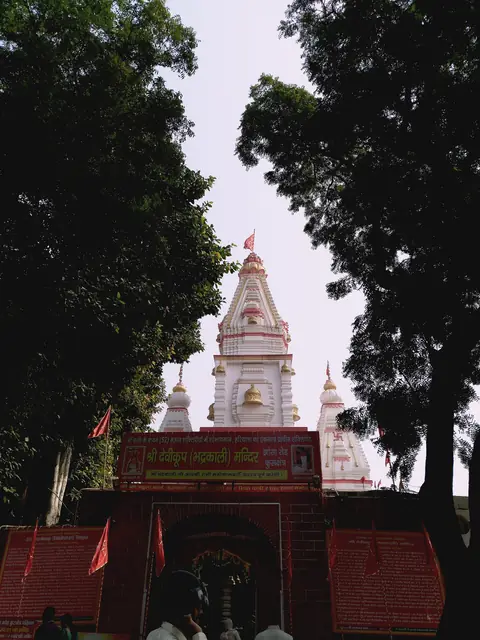
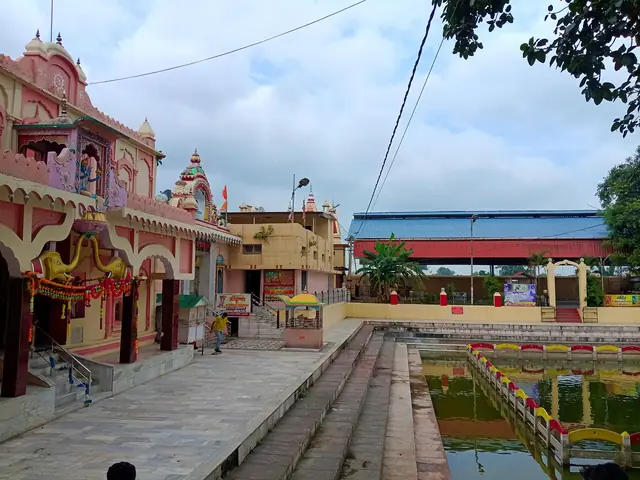
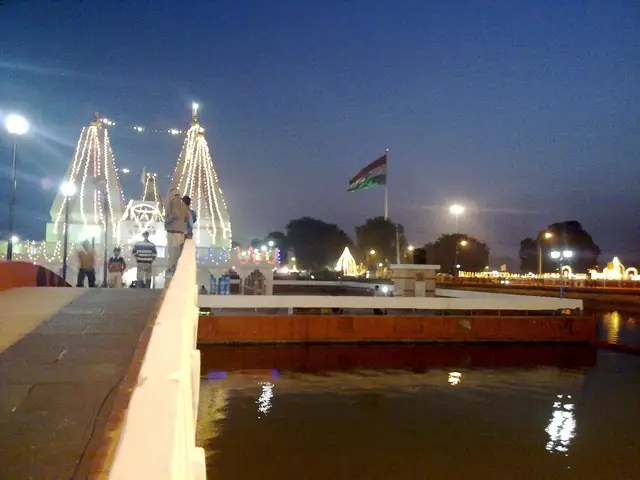
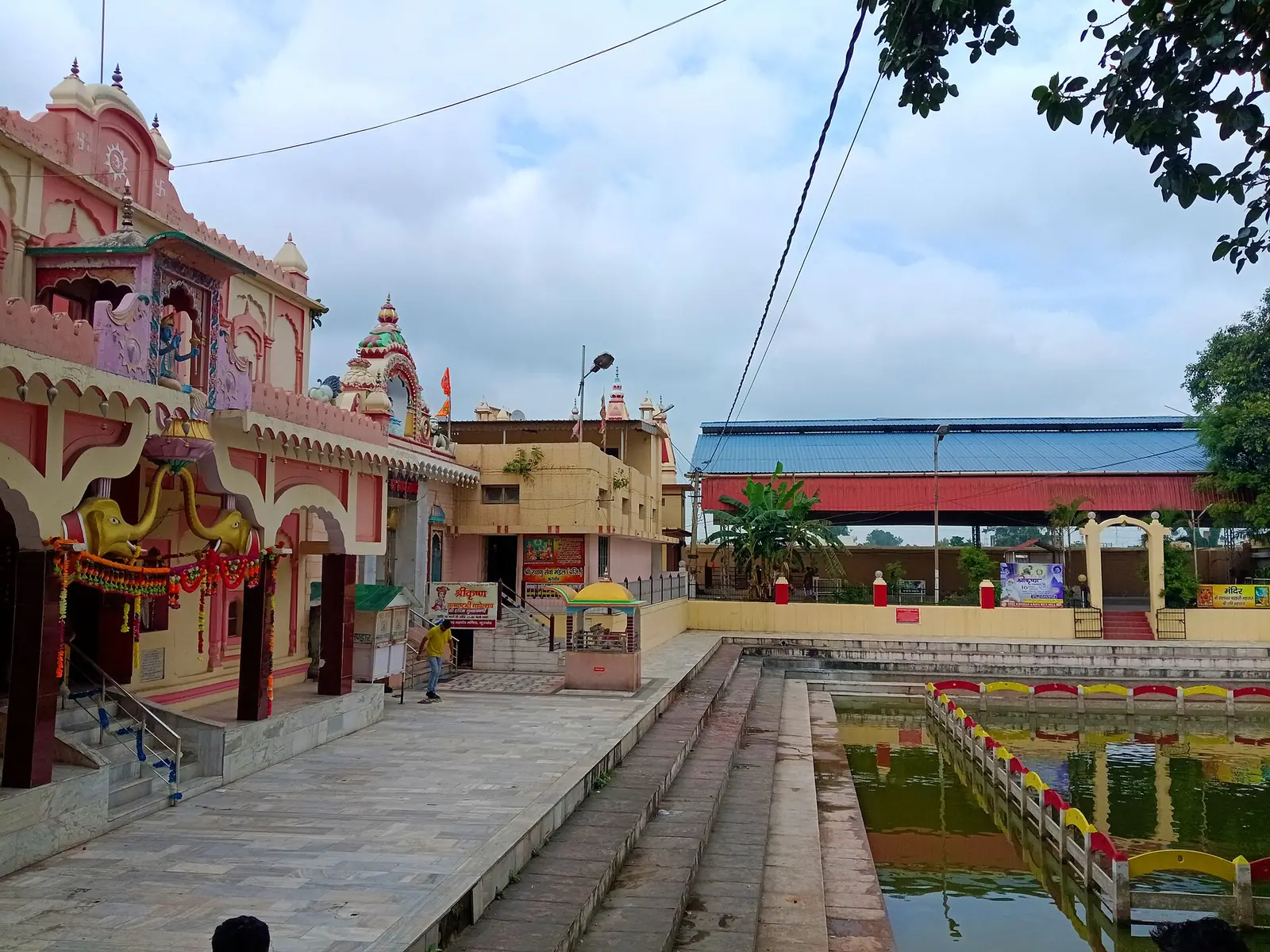
The name means the seat of Sthanu, the motionless one, a name of Bhagwan Shiva. Local tradition says the Pandavas worshipped at the Sthaneshwar Mahadev temple and received Shiva’s blessing before the war of Kurukshetra, and the tank beside it is held to be holy. Banabhatta’s Harshacharita opens with a long description of Sthanvishvara as a city of temples, scholars and soldiers. Prabhakaravardhana made the Pushyabhutis a power from here; his sons Rajyavardhana and Harsha took the throne in turn, and Harsha moved the capital to Kannauj after avenging his brother.
02Mahmud and the Chakraswamin
In 1014 Mahmud of Ghazni marched on Thanesar while its army was away. Al-Utbi records the plunder of the city and its temples. Al-Biruni, who lived at Mahmud’s court, writes that the great bronze image of Chakraswamin, Vishnu with the discus, was carried from Thanesar to Ghazni and thrown into the hippodrome there. The town recovered and was retaken by Hindu kings c. 1043, says Firishta, but the old temples did not survive the later centuries. The present Sthaneshwar temple is a later rebuilding, and the great mound called Harsh ka Tila hides the old city.
The life of this place
- late 6th centuryPrabhakaravardhana rules from Sthanvishvara.
- 606 CEHarsha is crowned at Thanesar and later moves to Kannauj.
- 1014Mahmud of Ghazni sacks Thanesar and carries the Chakraswamin image to Ghazni (al-Biruni).
- c. 1043Hindu rulers recover Thanesar, Hansi and Nagarkot (Firishta).
Thanesar is part of Kurukshetra town. Combine Sthaneshwar Mahadev with Brahma Sarovar and Jyotisar, where the Gita was spoken.