01A boy on the throne
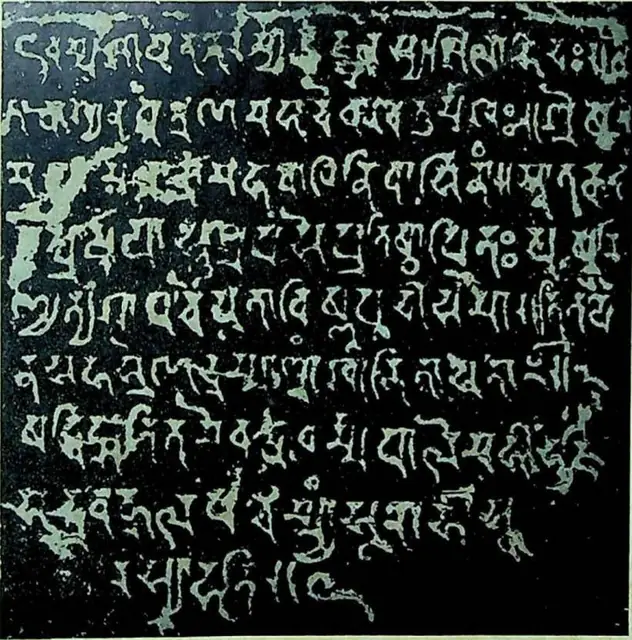
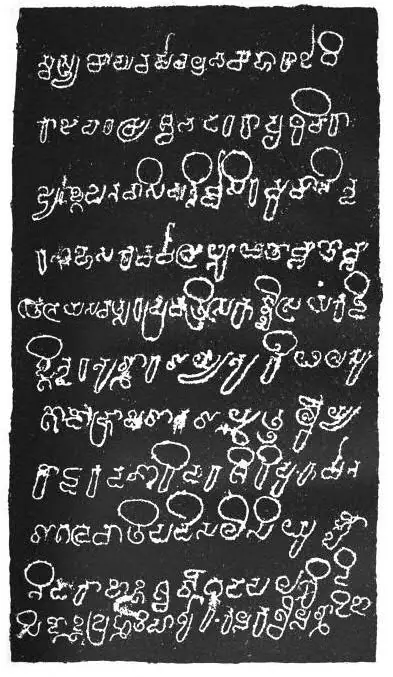
His father Govinda III had marched to the Himalaya and back. When he died in 814 his son was about fourteen, and the Rashtrakuta vassals rose. Karka, the king’s cousin who ruled Lata in south Gujarat, held the empire together as guardian. The Eastern Chalukyas of Vengi were the most stubborn enemy; Amoghavarsha beat them at Vingavalli and the war went on for years. In 871 his Sanjan copper plates record that, to turn away a calamity from his people, he cut off a finger of his left hand and offered it to Mahalakshmi.
02The court at Manyakheta
Manyakheta, modern Malkhed on the Kagina river in Kalaburagi district, became the Rashtrakuta capital in his reign. The Kavirajamarga was written there, and is often credited to the king himself; it describes the Kannada land as stretching from the Kaveri to the Godavari. The Jain acharya Jinasena was close to him, and the mathematician Mahaviracharya opens his Ganitasarasangraha with praise of Amoghavarsha. The short Sanskrit work Prashnottara Ratnamalika is also attributed to him. More than once, the inscriptions say, he withdrew from the throne for a time to live quietly.