01Against Sabuktigin
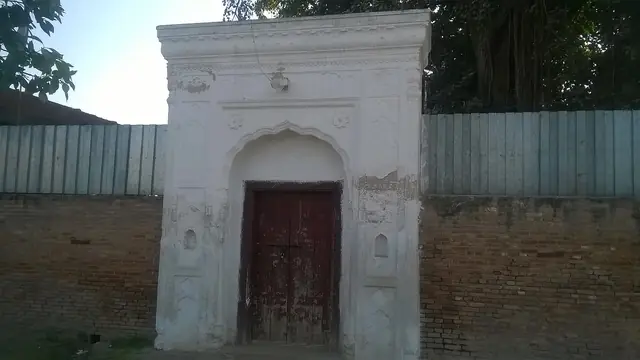
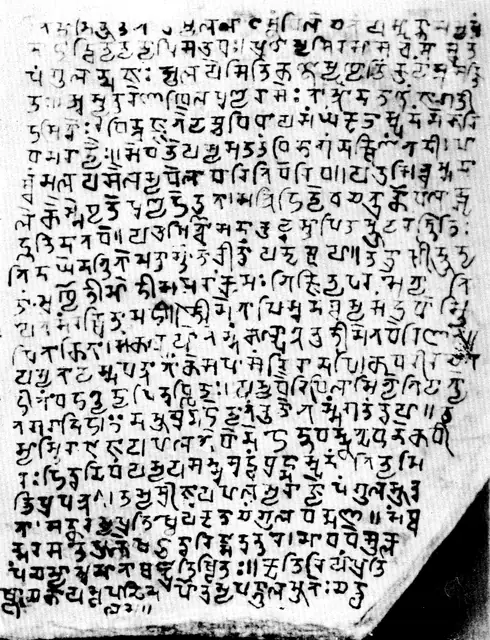
His capital was Udabhandapura, Waihind, now the village of Hund on the Indus above Attock; a stone found there names him Jayapaladeva. When Sabuktigin began raiding from Ghazni, Jayapala marched west into the Kabul valley. Al-Utbi, Mahmud’s secretary, describes the first clash in the Laghman hills, where a snowstorm broke the Hindu camp and Jayapala agreed to terms, then refused them once he was home. A second, larger army followed. Firishta, writing six centuries later, says kings of Delhi, Ajmer, Kalinjar and Kanauj sent men; the contemporary sources do not name them. That army too was beaten, and Laghman was lost.
02Peshawar and the pyre
On 27 November 1001 Mahmud, now Sultan, met Jayapala near Peshawar. Al-Utbi says the Hindu army was broken and Jayapala taken prisoner with fifteen of his sons and kinsmen, the necklace taken from his neck valued at a fortune. He was released for a ransom. The chroniclers record that he then handed the kingdom to his son Anandapala and mounted a funeral pyre, judging himself unfit to rule after the disgrace.
Al-Biruni, who served Mahmud and knew the Shahi story well, wrote of this house that in all their grandeur they never slackened in the desire to do what was good and right.