01Sibi’s white boar
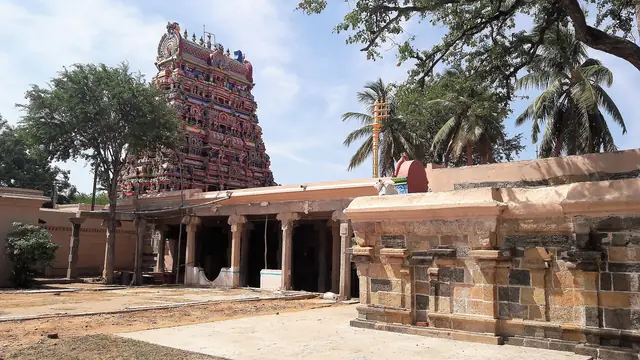
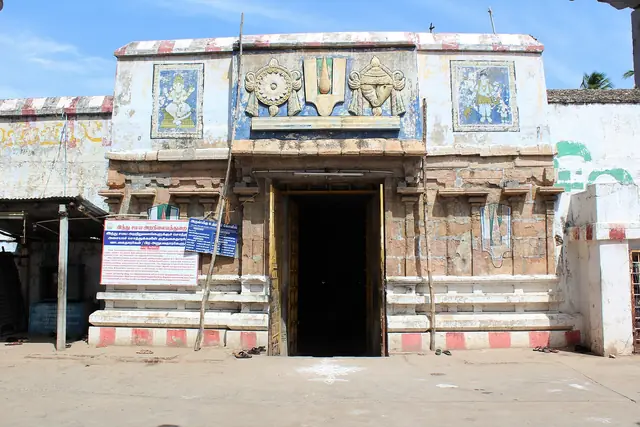
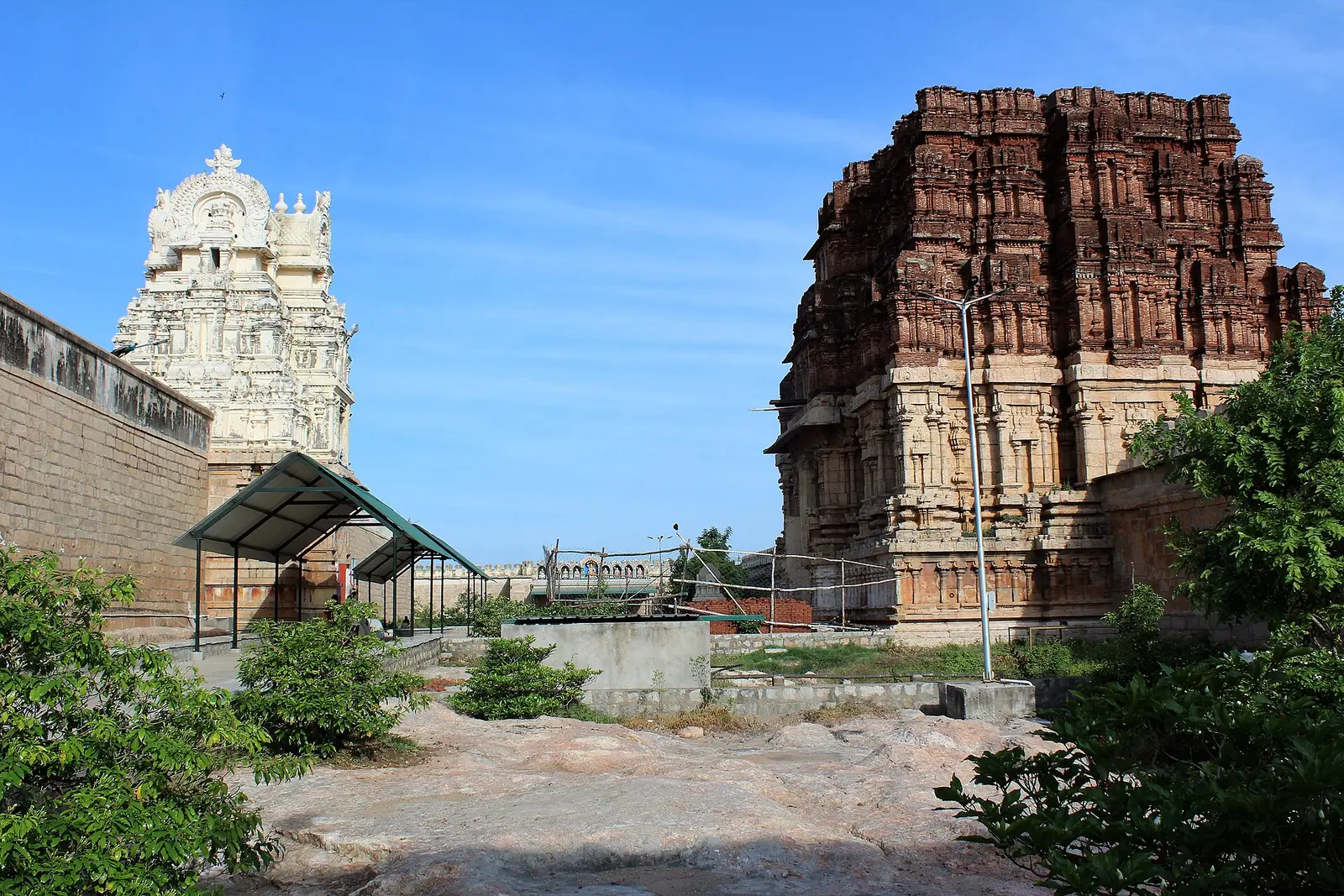
Vellarai means white rock. The temple katha tells that King Sibi, camped here, chased a white boar into a hole where Maharshi Markandeya sat in tapas. At the sage’s word the king filled the hole with milk, and Vishnu appeared. Sibi brought 3,700 Vaishnava families from the north to serve the new temple; one died on the road, and the Lord came in disguise to make up the count. The sanctum stands on a raised rock some 15 m high, reached by eighteen steps for the chapters of the Gita and four more for the Vedas. From mid-January to mid-July the Uttarayana Vasal is open; for the other half of the year, the Dakshinayana Vasal.
02Caves, well and verse
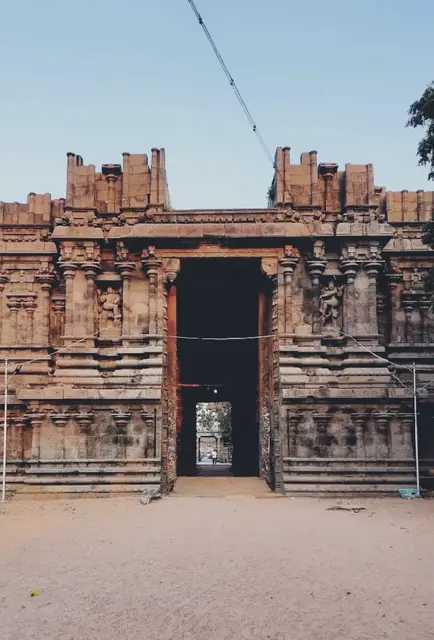
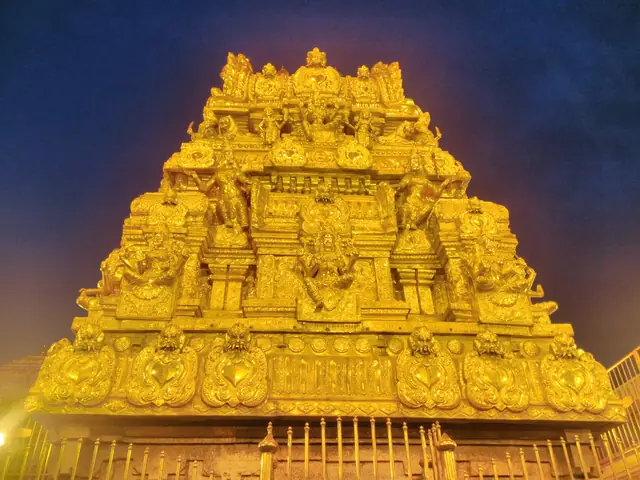
Two unfinished rock-cut caves carry three inscriptions, two of the Pallava Nandivarman II and one of Dantivarman. Pallava panels of Narasimha and Varaha survive, and the pillars carry some of the earliest Krishna carvings in Tamil Nadu. South-west of the temple lies the svastika-shaped well with four stepped arms, cut in Dantivarman’s reign by Kamban Araiyan. Periyalvar and Thirumangai Alvar sing of Thiruvellarai in twenty-four pasurams. Uyyakondar, disciple of Nathamuni, was born here, and Vedanta Desika praised the temple in his Hamsa Sandesam. The rajagopuram was never finished.
The life of this place
- Nandivarman II (732–796)Two inscriptions of the Pallava king are cut in the rock caves.
- Dantivarman (796–847)A third inscription is cut, and Kamban Araiyan builds the svastika well.
- Parantaka I (907–955)A Chola inscription records an endowment to the shrines of Krishna and Rukmini.
- c. 1262–63After flood damage a merchant repairs the temple.
On the Thuraiyur road, about 27 km north of Tiruchirappalli. The Chittirai ther festival ends with a community feast for the villages around.