The Pratiharas held Kanyakubja for most of the ninth century, though Rashtrakuta armies twice swept north and Indra III sacked the city around 916.
01Round one
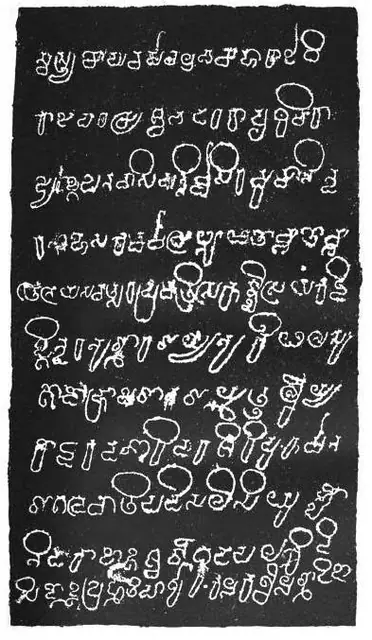
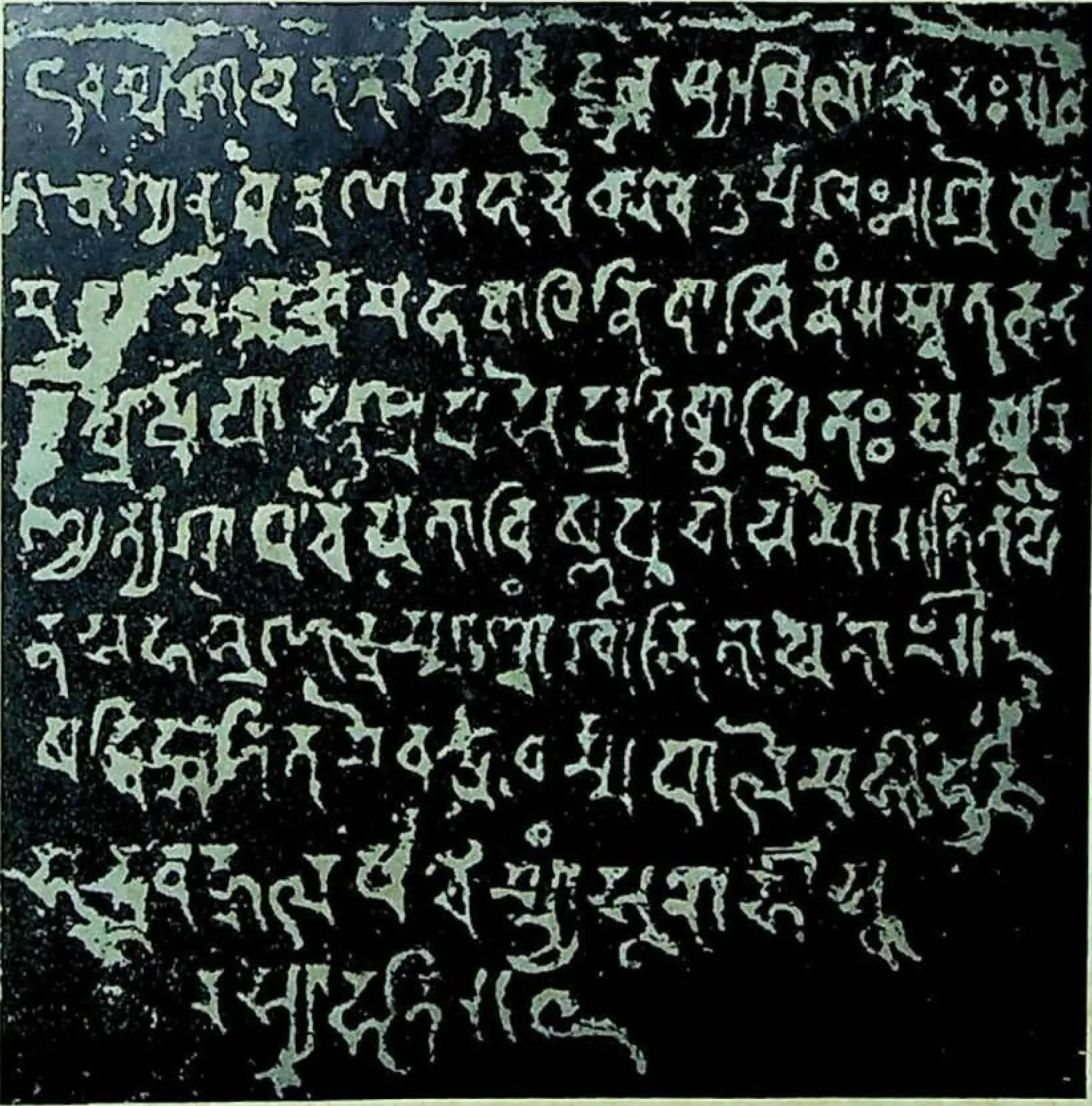
The Pratihara Vatsaraja beat Dharmapala of Bengal in the doab in the 780s. Then the Rashtrakuta Dhruva came north across the Narmada and defeated both, and went home. Dharmapala used the gap to set his own man Chakrayudha on the throne of Kanyakubja; his Khalimpur copper plate describes a great assembly where the kings of the Bhojas, Matsyas, Madras, Kurus, Yadus, Yavanas, Avanti, Gandhara and Kira bowed to approve it. Vatsaraja’s son Nagabhata II then drove Chakrayudha out and beat Dharmapala at Mudgagiri, Monghyr.
02The Deccan strikes again
Around 800 Govinda III of the Rashtrakutas marched north, beat Nagabhata II, took the submission of Dharmapala and Chakrayudha, and watered his horses, his records say, in the streams of the Himalaya. He too went home. Nagabhata made Kanyakubja the Pratihara capital, and under Mihira Bhoja, from about 836, it was the seat of the largest empire in the north; the Arab traveller Sulaiman wrote in 851 that no king in India was a greater enemy of the Arabs than the king of the Juzr. The struggle wore all three down. Indra III’s sack of Kanyakubja around 916 began the Pratihara decline.
The struggle decided the shape of north India for two centuries and left all three empires weakened before the Ghaznavid storm.