01Ravikirti’s poem
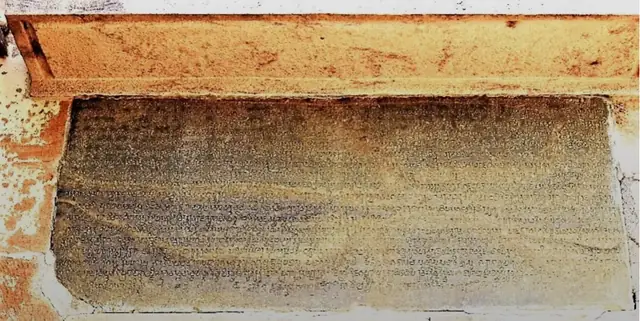
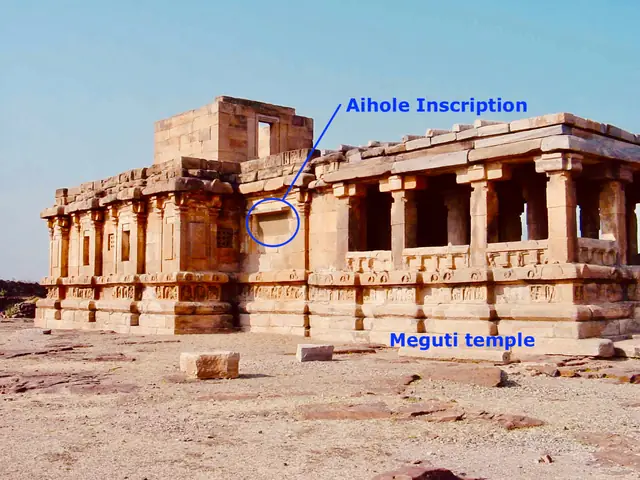
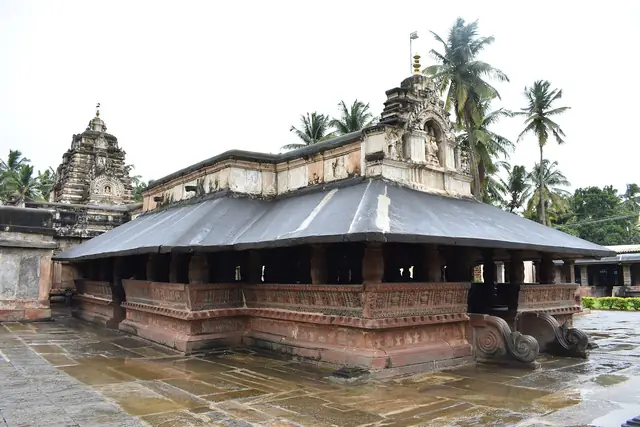
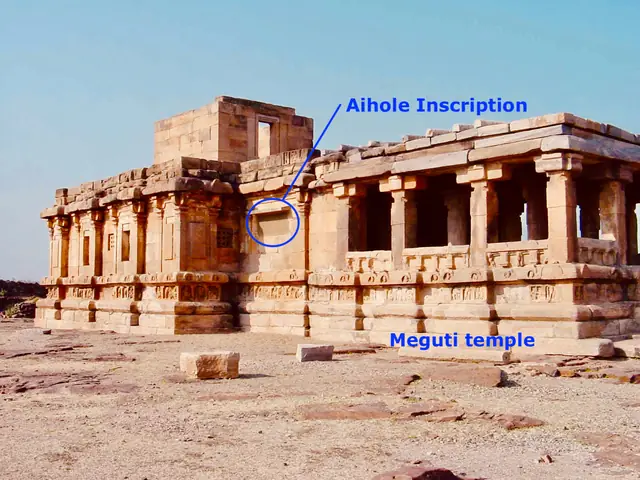
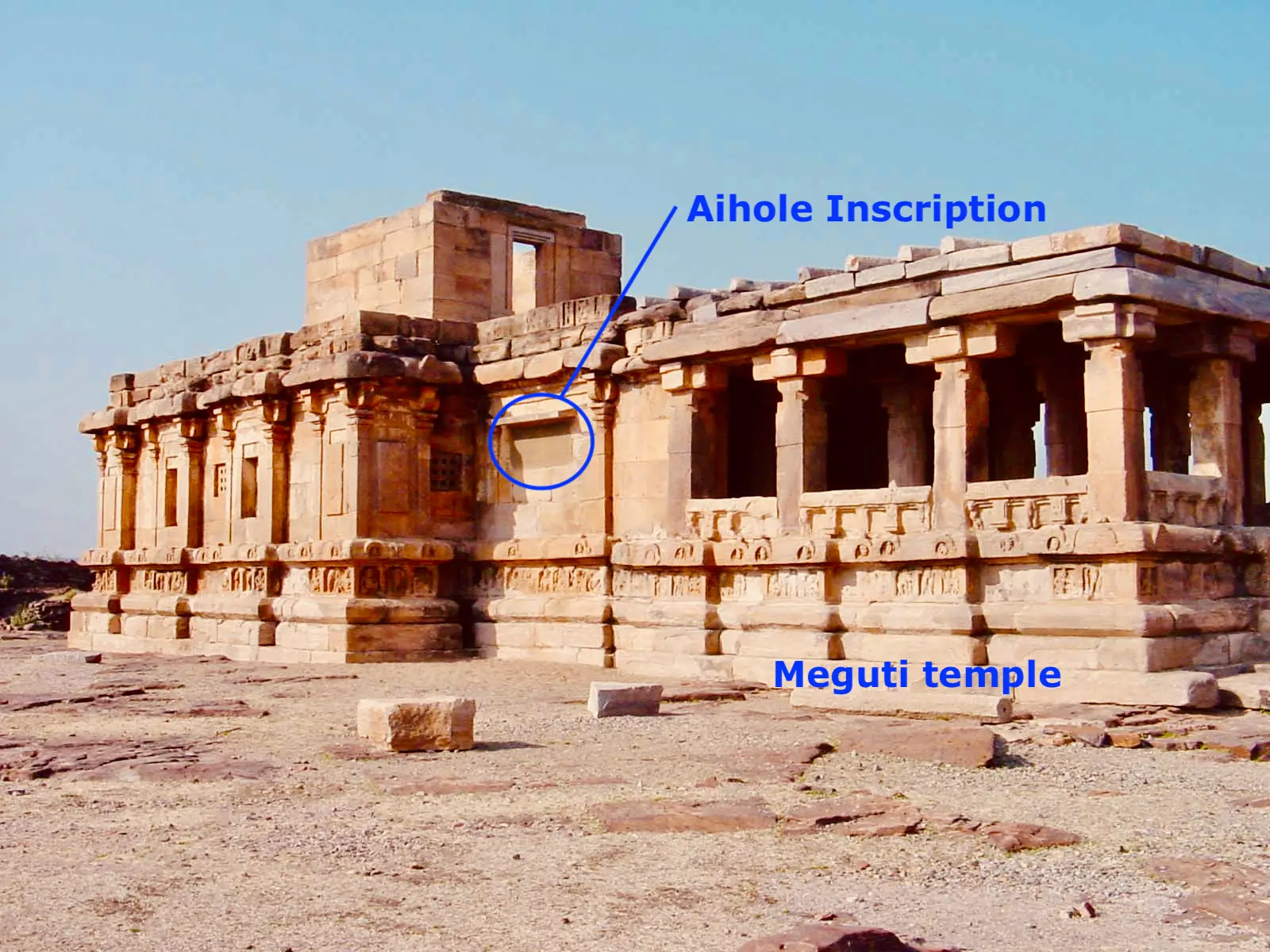
On the east wall of the Meguti Jain temple at Aihole, the poet Ravikirti cut a Sanskrit poem in Shaka year 556 (634 CE) and claimed, a little boldly, the fame of Kalidasa and Bharavi. It says Pulakeshin’s uncle Mangalesha tried to pass the throne to his own son and lost both kingdom and life. Then the conquests: the Kadambas of Banavasi, the Gangas, the Alupas, the Mauryas of the Konkan, whose island city Puri he took with hundreds of ships, the Latas, Malavas and Gurjaras of the north, and Harsha, whose joy melted when his elephants fell.
02Three Maharashtras and Vengi
The same inscription says he became lord of the three Maharashtrakas with their 99,000 villages. To the east he took Vengi between the Godavari and Krishna and gave it to his brother Kubja Vishnuvardhana, whose line ruled there as the Eastern Chalukyas for four centuries. He pressed the Pallava Mahendravarman I back behind the walls of Kanchi. Xuanzang, travelling through his kingdom around 641, wrote that its people were proud and warlike, and that the king was feared by his neighbours.
03The fall of Vatapi
The war with the Pallavas did not end with Mahendravarman. His son Narasimhavarman I struck back, and the Kuram plates claim Pallava victories at Pariyala, Manimangala and Suramara. In 642 the Pallava army stormed Vatapi, the Chalukya capital at Badami, and Pulakeshin is believed to have died in that fighting. Narasimhavarman cut a victory inscription on the rock at Badami itself. The Chalukyas recovered thirteen years later under Pulakeshin’s son Vikramaditya I.