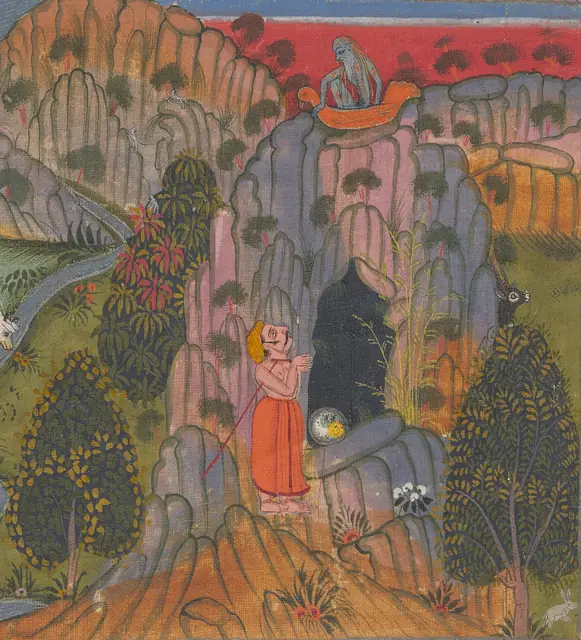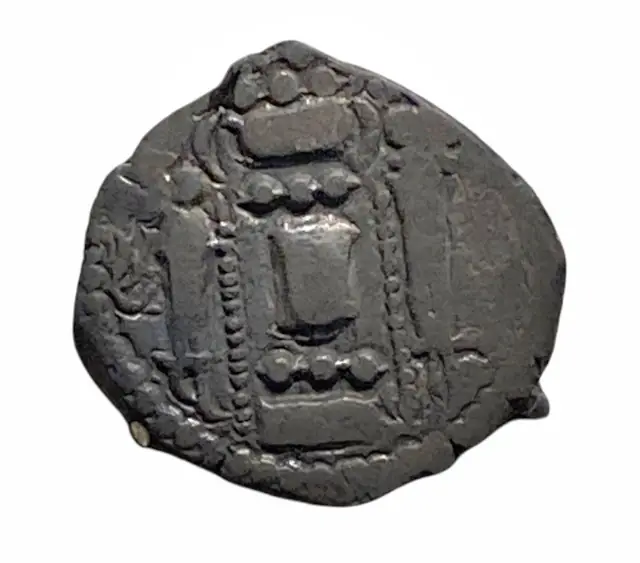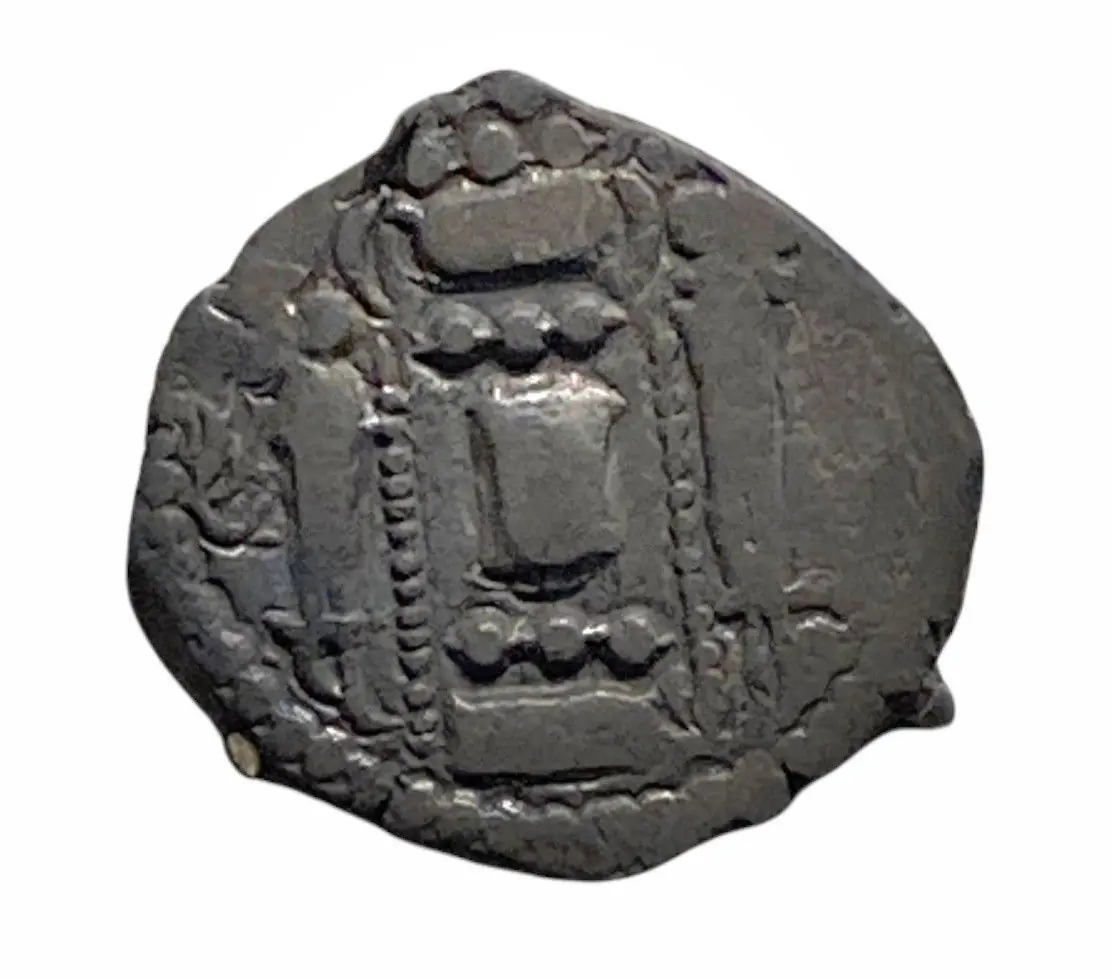
The Arab armies were driven back, and the caliphate never again pushed beyond Sindh.
01The raids
Al-Baladhuri lists the places al-Junayd’s commanders struck in the 720s: Marmad, Mandal, Dahnaj, Barwas, which is Broach, Ujjain, Baylaman, which is Bhinmal, and Jurz, the Gurjara country. For a few years it looked as if western India would go the way of Sindh. Then the tide turned. Al-Baladhuri himself admits that under al-Junayd’s successor the Muslims fell back from parts of India and could not hold their ground.
02Navsari and Gwalior
The Navsari copper plates of the Chalukya prince Avanijanashraya Pulakeshin, dated 739 CE, tell how a Tajika army that had already crushed the Saindhava, Kacchella, Saurashtra, Chavotaka, Maurya and Gurjara kings tried to enter the Deccan and was destroyed by him. For it he was honoured with the title Anivartaka-nivartayitri, the repeller of the unrepellable. A century later the Gwalior prashasti of Mihira Bhoja praised the dynasty’s founder Nagabhata I for crushing the armies of the Mlecchas. Mewar’s bards give a share of the glory to Bappa Rawal; no inscription of his time names him in this war.
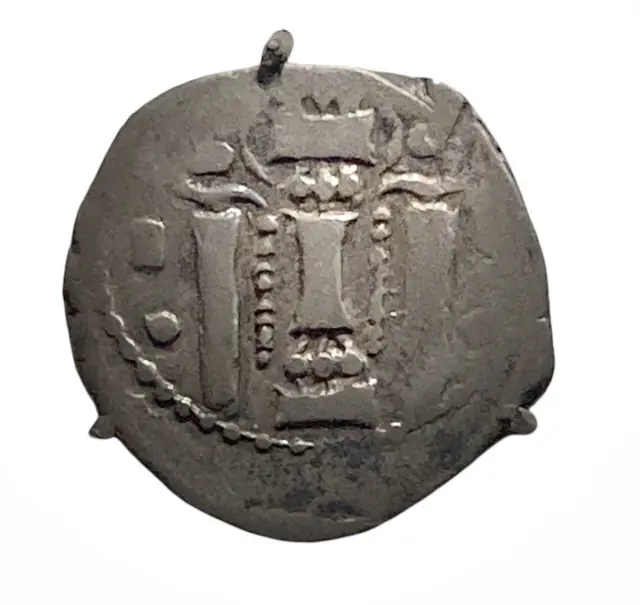
These wars kept the caliphate out of India beyond Sindh and Multan for nearly three hundred years.