What it says
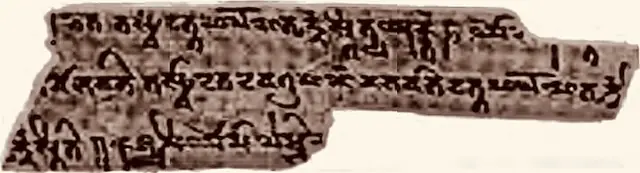
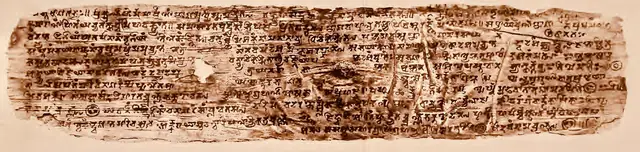
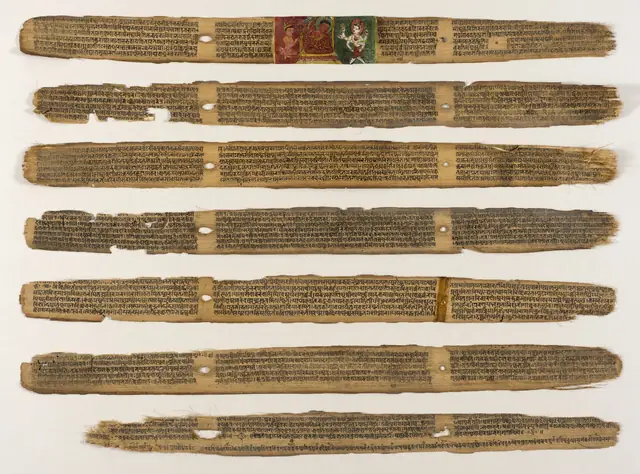
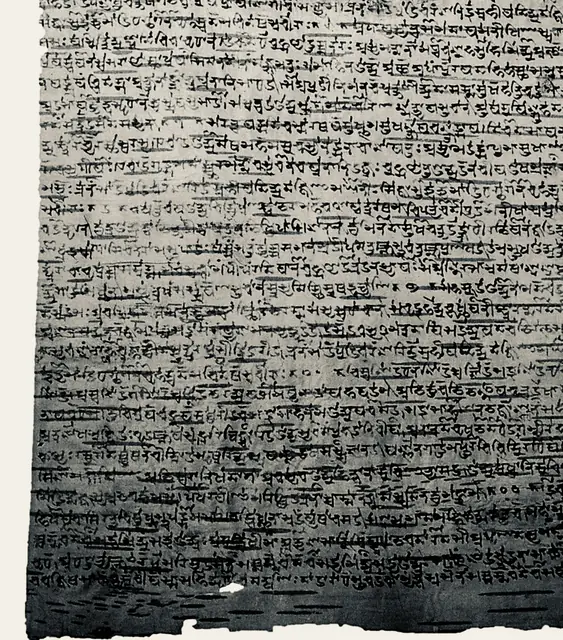
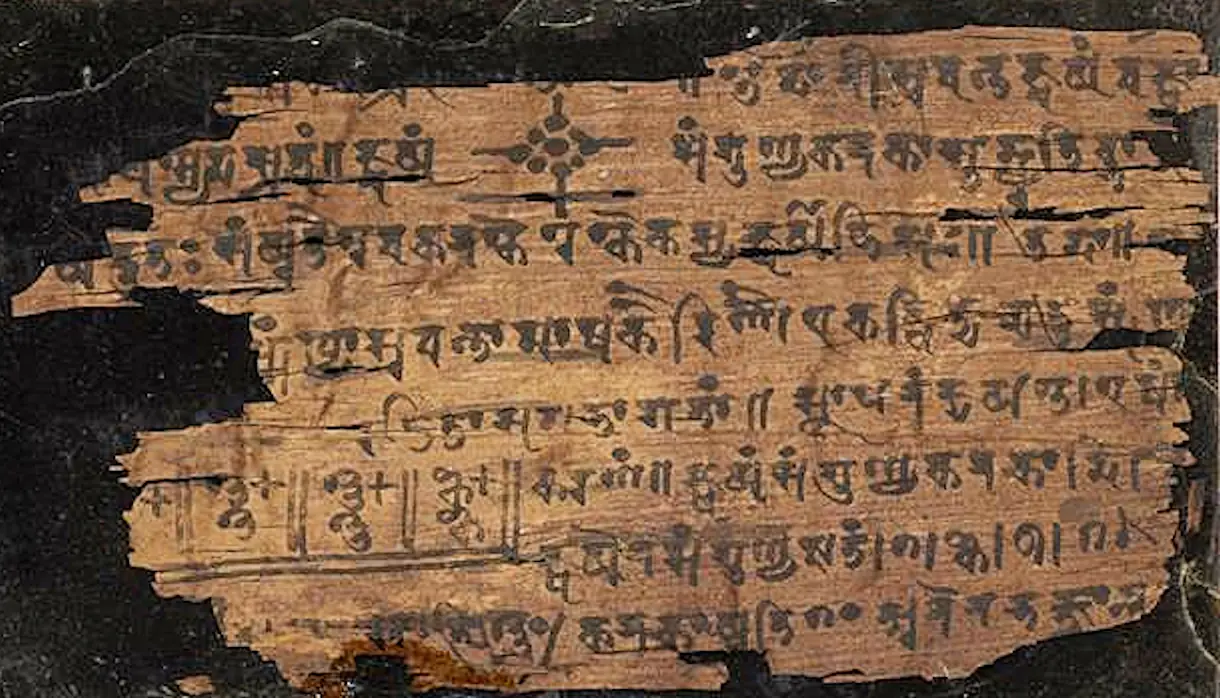
The work sets out rules, worked examples and their checks: square roots, linear equations, arithmetic progressions, problems of profit and loss. Numbers are written in the decimal place-value system, with a dot standing for zero in empty places. In 2017 the Bodleian’s radiocarbon tests of three leaves gave 224–383, 680–779 and 885–993 CE; some historians of mathematics hold that the leaves belong together and date from around the 8th–10th centuries.
What it proves
It is the oldest surviving manuscript of Indian mathematics and among the earliest written uses of zero as a sign.