01The darbar at Kanyakubja
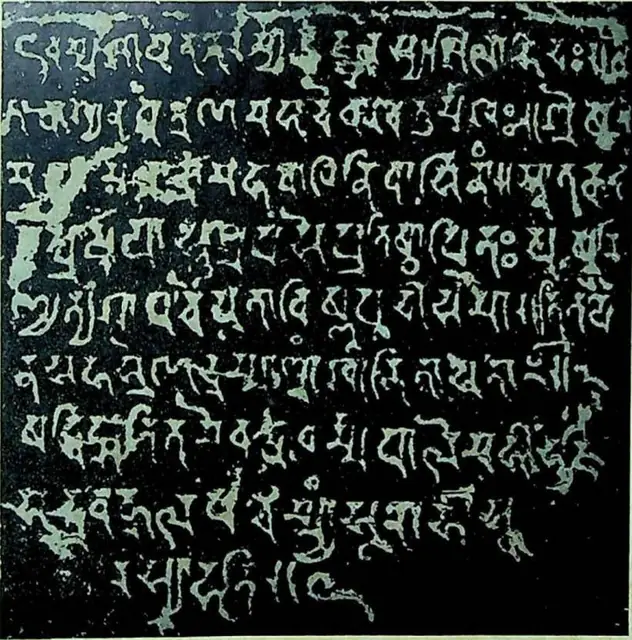
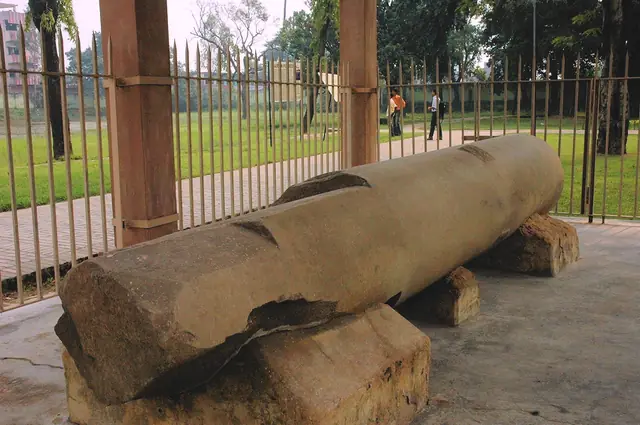
Whoever held Kanyakubja, Harsha’s old capital, could call himself lord of the north. Dharmapala drove out its ruler Indrayudha and set Chakrayudha on the throne. His Khalimpur copper plate, issued in his thirty-second year, says the kings of Bhoja, Matsya, Madra, Kuru, Yadu, Yavana, Avanti, Gandhara and Kira bowed their heads in approval while the elders of Panchala lifted the golden jar of the abhisheka. A Gujarati poet of the eleventh century, Soddhala, still called him Uttarapathasvamin, master of the northern road.
02Won and lost on the Ganga
The prize did not stay quiet. The Pratihara Vatsaraja beat him in the doab, and the Rashtrakuta Dhruva, marching up from the Deccan, beat them both. Later Nagabhata II took Kanyakubja from Chakrayudha and defeated Dharmapala near Mudgagiri, modern Munger. When Govinda III of the Rashtrakutas came north, the Sanjan plates say Dharmapala and Chakrayudha submitted to him of their own accord. Through all of it Bengal and Bihar stayed Pala, and the dynasty he built lasted four centuries.
03Vikramashila and a Vishnu temple
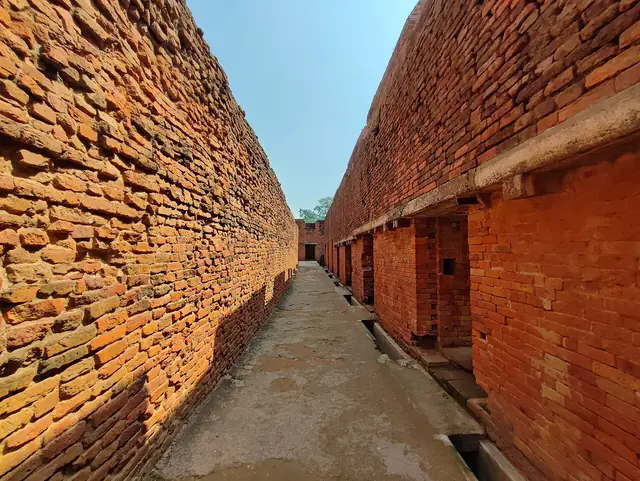
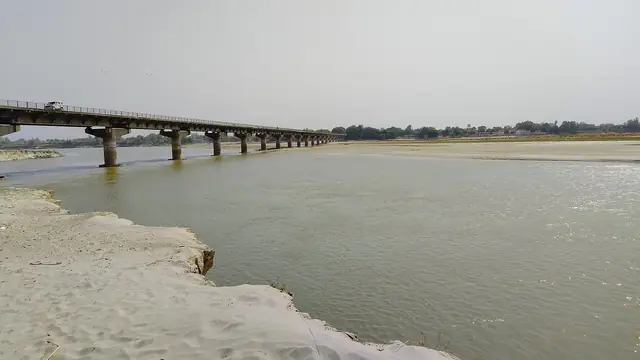
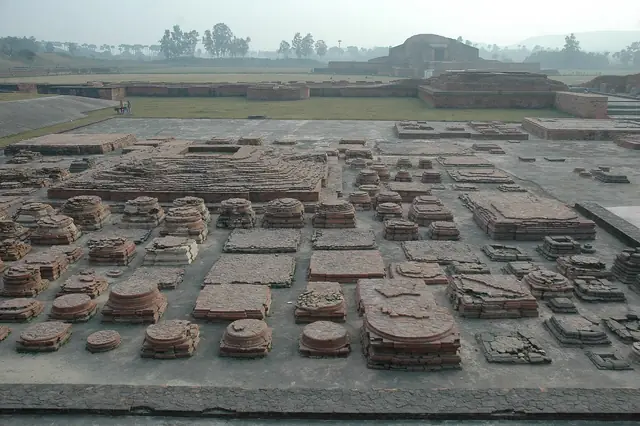
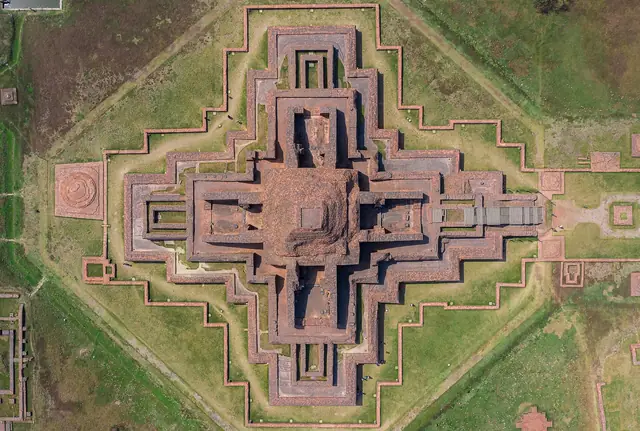
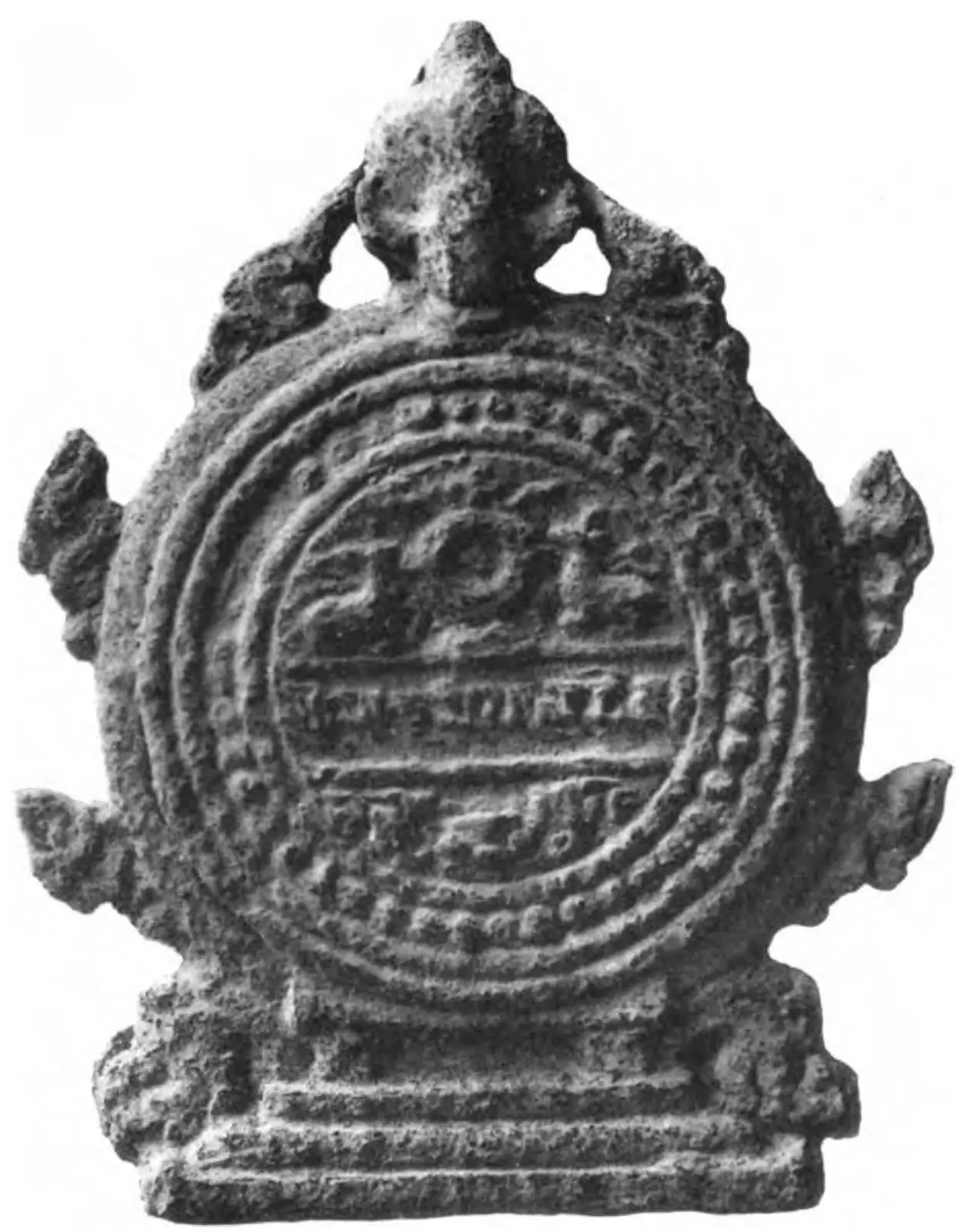
Dharmapala called himself Paramasaugata, a devoted follower of the Buddha. He founded Vikramashila on a bend of the Ganga in Bhagalpur district, and clay seals dug up at Paharpur, now in Bangladesh, name the great vihara there the Somapura mahavihara of Shri Dharmapaladeva. Yet the Khalimpur plate itself records his grant of four villages to a temple of Nanna-Narayana, made at the request of a feudatory. A Buddhist emperor endowing a Vishnu shrine was ordinary in his Bharat.