01After Sindh fell
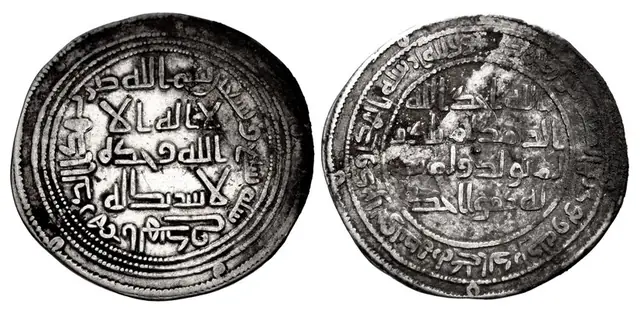
Sindh fell to Muhammad bin Qasim in 712. Within twenty years the Arab governor al-Junayd was raiding far to the east. The ninth-century historian al-Baladhuri lists his targets: Marmad, Mandal, Barwas (Bharuch), Uzain (Ujjain) and the land of Malibah, Malwa. Then the tide turned. Al-Baladhuri himself admits that under Junayd’s successor the Muslims withdrew from several regions of al-Hind and could not hold them.
The Indian side of that story is told by the Pratiharas and the Chalukyas of Lata, and Nagabhata stands at its centre.
02Narayana come to protect
The Gwalior prashasti, cut more than a century later in the reign of Mihira Bhoja, opens the family line with him. It says Nagabhata appeared as an image of Narayana himself, come to protect the people, and crushed the great armies of a powerful mlechchha king. The inscription does not name the battlefield. Scholars place his seat at Bhinmal or Ujjain; the Rashtrakuta Sanjan plates say that when Dantidurga held the hiranyagarbha rite at Ujjayini, Gurjara lords served as his door-keepers, which tells us Nagabhata’s kingdom faced rivals in the Deccan too.