01Rajyashri in the Vindhyas
Banabhatta’s Harshacharita tells it. The Malava king killed Harsha’s brother-in-law, the Maukhari Grahavarman of Kannauj, and imprisoned his sister Rajyashri. The elder brother Rajyavardhana beat the Malavas and was then murdered by Shashanka, king of Gauda, while at a parley. Rajyashri escaped into the Vindhya forest. Harsha, now king, searched for her and found her as she was about to enter a funeral fire. He took up the Maukhari kingdom with her, and Kannauj became his capital. The Harsha era begins with his accession in 606 CE.
02Checked at the Narmada
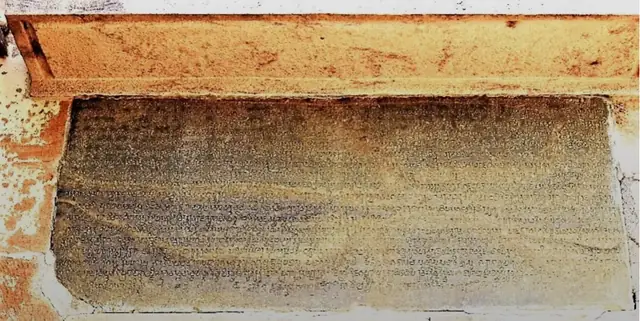
Harsha ruled the Ganga plain from Punjab to Bengal, but the south was closed to him. The Aihole inscription of 634 CE, cut for Pulakeshin II of the Badami Chalukyas, says Harsha’s harsha, his joy, melted away when his war elephants fell in battle. The fight took place near the Narmada, which stayed the frontier. Xuanzang, who met both kings, confirms that the Chalukya ruler alone did not submit.
03Prayag and the signed plates
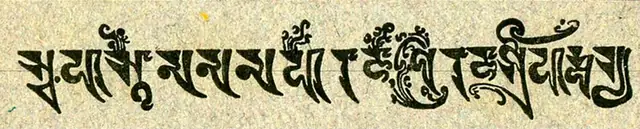
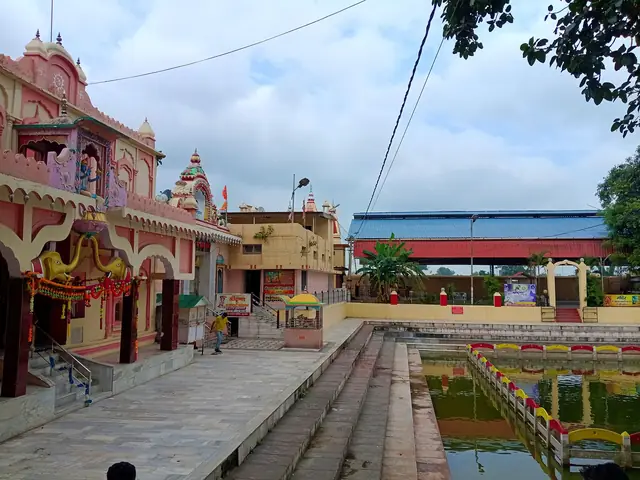
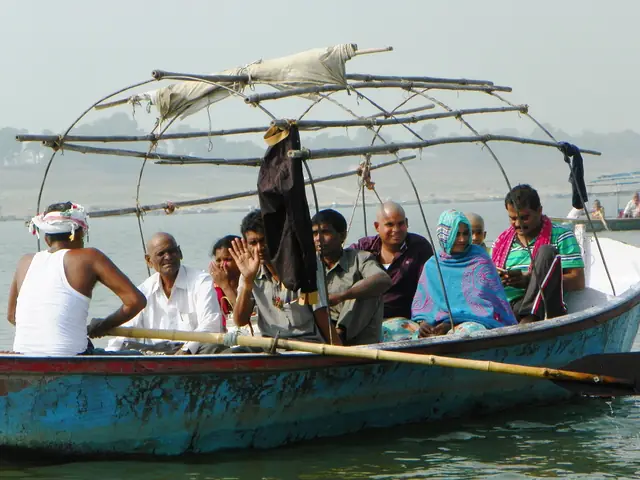
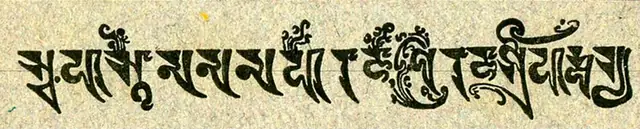
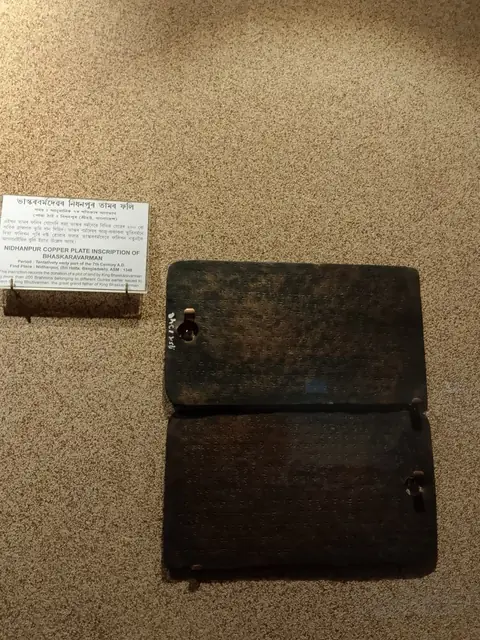
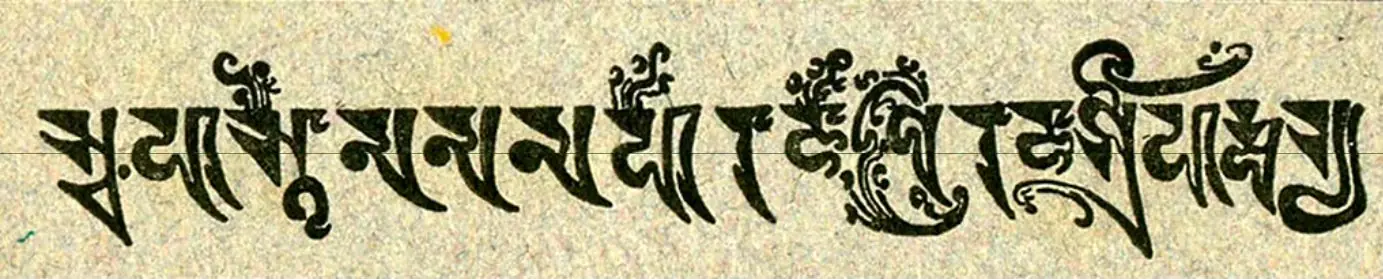
Xuanzang describes a great assembly at Kannauj in 643 and then the gathering at Prayag, held every five years, where over seventy-five days Harsha gave away the stored wealth of the treasury to Brahmins, shramanas, the poor and orphans, until he begged a used garment from his sister. Harsha wrote Ratnavali, Priyadarshika and Nagananda. His Banskhera and Madhuban copper plates end with his signature in a fine flowing hand: svahasto mama maharajadhiraja shri harshasya, this is my own hand, of Maharajadhiraja Shri Harsha. He died in 647 with no heir, and his empire died with him.