01The Adivaraha coins
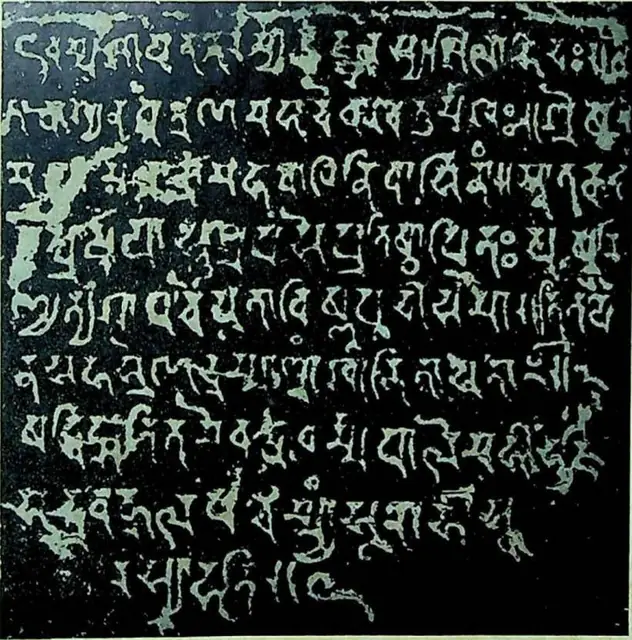
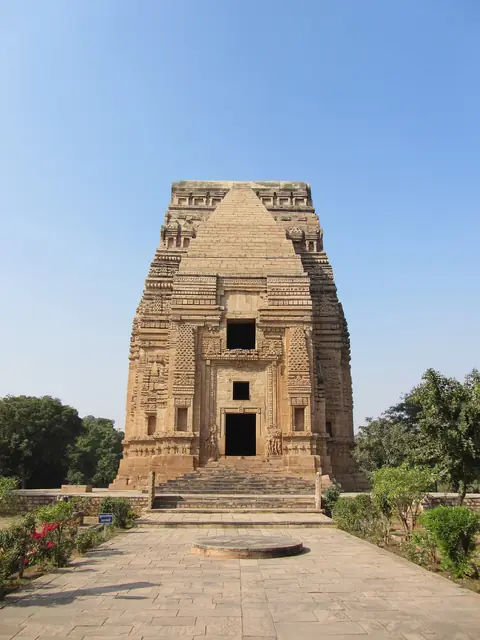
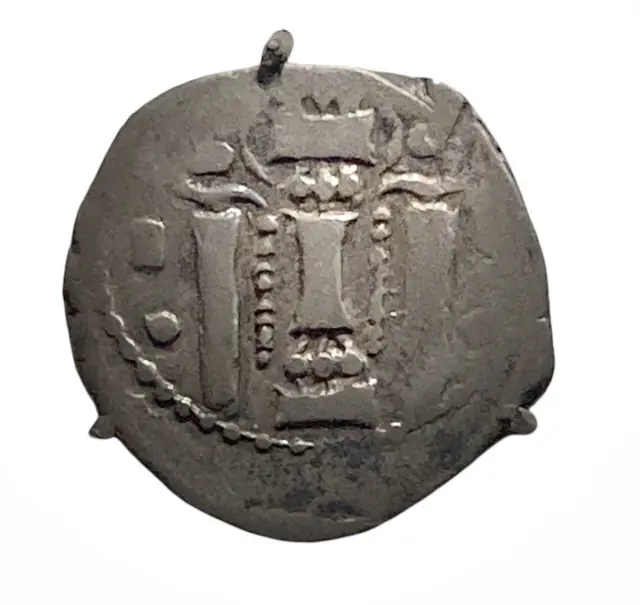
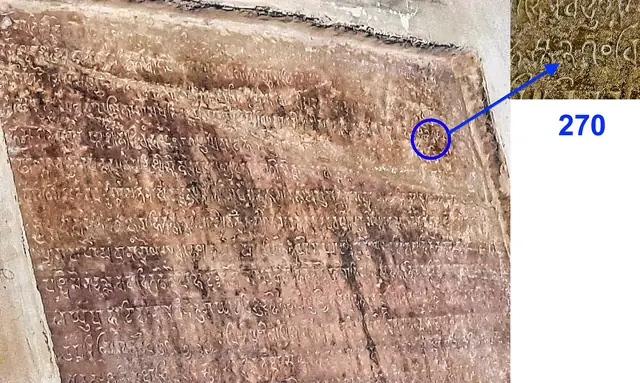
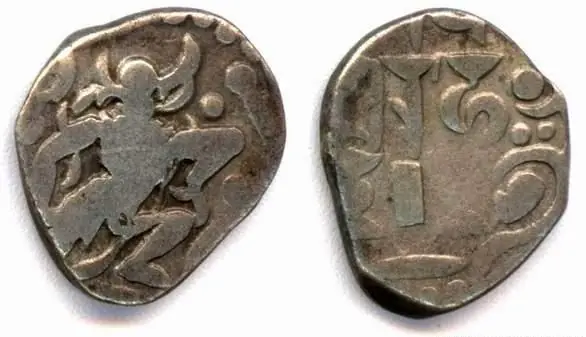
His silver coins carry Bhagwan Varaha, the boar avatar who lifted the earth from the waters, with the words Shrimad Adivaraha. They circulated so widely that they turn up in hoards across the north for centuries. The Gwalior prashasti, found near Sagar Tal and cut in his reign, gives the family line from Nagabhata I and praises Bhoja’s conquests. At Gwalior fort, the small Chaturbhuj temple carries inscriptions of 875–876 from his reign; one of them writes the number 270 with a round zero, among the oldest dated zeros in stone anywhere.
02What Sulaiman saw
The account called Akhbar al-Sin wa’l-Hind, put together in 851, describes the king of al-Juzr, the Gurjaras. He has many troops, it says, and no other prince in India has such fine cavalry. He is unfriendly to the Arabs. His land is rich in gold and silver, and there is no country in India safer from robbers. Bhoja spent his reign at war with the Palas to the east and the Rashtrakutas to the south, and still kept the Arabs of Sindh and Multan pinned behind the Thar.