01Kalasan, 778
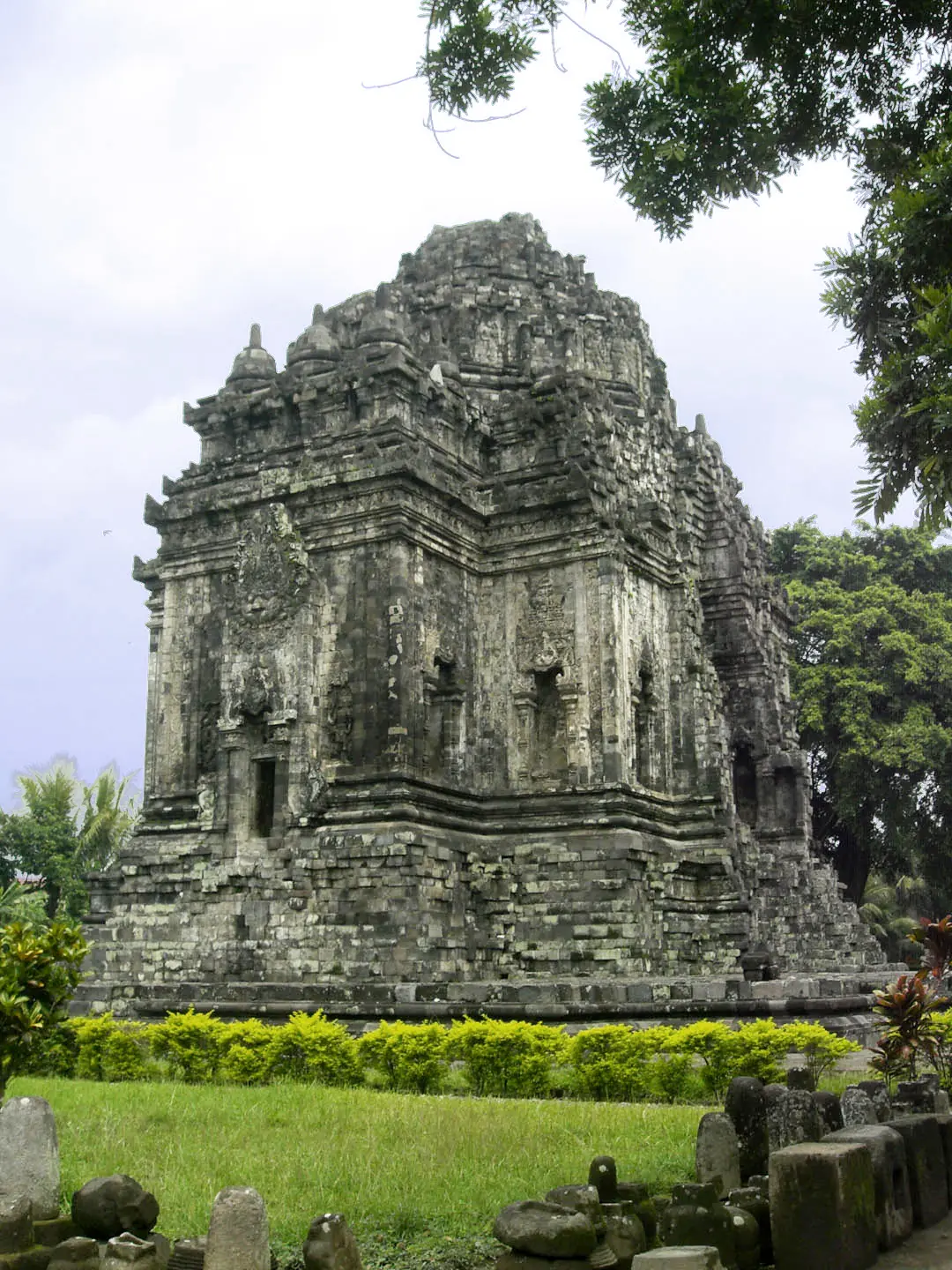
The Kalasan inscription of 778, in Sanskrit and in Pranagari script, records that the gurus of a Shailendra king asked Maharaja Panangkaran to build a temple for the goddess Tara, and that the village of Kalasa was given to the Sangha. The temple still stands beside the road from Yogyakarta to Prambanan. The Kelurak inscription of 782 names King Indra, or Dharanindra, and a statue of Manjushri set up by a guru from Gaudi, which is Bengal.
02Borobudur
Under Samaratungga, in the first decades of the 9th century, Borobudur was finished on a hill in the Kedu plain: nine stacked terraces, 504 Buddha images, 72 perforated stupas and some 2,670 relief panels that lead the pilgrim upward from the world of desire to the formless. It is a Buddhist monument and is honoured here as such. The same plain held Hindu temples of the Sanjaya kings within a day’s walk.
03Pramodhawardhani and Rakai Pikatan
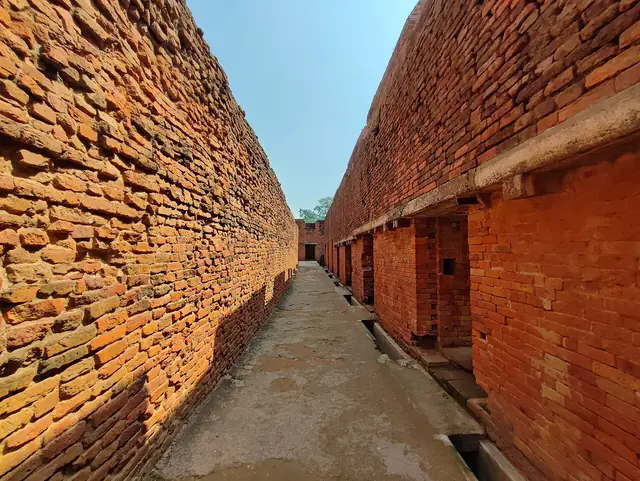
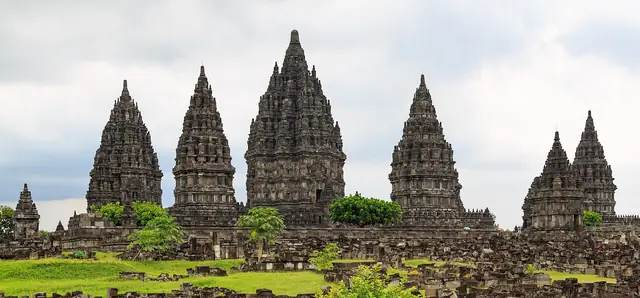
Samaratungga’s daughter Pramodhawardhani married Rakai Pikatan of the Shaiva Sanjaya house. The temples of Plaosan near Prambanan carry the names of both. Pikatan went on to raise the great Shiva temple of Prambanan, consecrated in 856. Balaputradeva, of Shailendra blood, left Java and became king in Suvarnadvipa, where he built the monastery at Nalanda that the Pala king endowed. The Shailendra name lived on in Srivijaya for two more centuries.
The rulers
- 1Dharanindra (Indra)Kelurak inscription, 782c. 775–782
- 2Samaragrawirac. 782–812
- 3SamaratunggaBorobudur completed in his timec. 812–833
- 4PramodhawardhaniQueen; married Rakai Pikatanmid-9th century
- 5BalaputradevaWent on to rule Srivijayamid-9th century
What they left
- Borobudur, the largest Buddhist monument in the world
- Kalasan, Sewu, Mendut and Plaosan temples
- The Kalasan (778) and Kelurak (782) Sanskrit inscriptions