
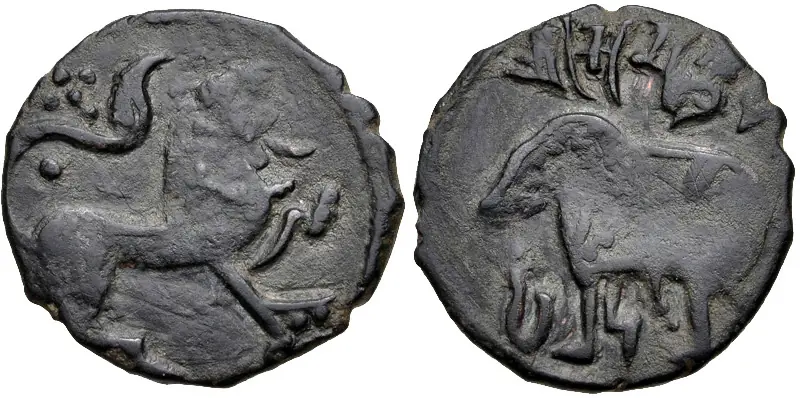
After a first clash ended in a treaty, Jayapala’s second and larger army was defeated, and the Ghaznavids took the country up to the Kabul river valley’s eastern end.
01The first march
Sabuktigin, a Turkish slave-commander who had made himself master of Ghazni in 977, began raiding the Shahi lands to his east. Jayapala, whose kingdom ran from the Kabul valley to the Punjab, did not wait to be attacked. He marched west with a large army and met Sabuktigin between Ghazni and Laghman. Al-Utbi, the Ghaznavid court historian, says a storm of snow and bitter cold fell on the Indian camp. Jayapala agreed to pay tribute and hand over elephants and forts, and left hostages. When he reached home he refused the terms and held Sabuktigin’s envoys.
02The second battle
The second army was larger. Utbi speaks of a vast host; the much later Firishta says rajas of Hindustan sent troops to help, though the names he gives belong to a later age. The armies met again near Laghman. Sabuktigin broke the Shahi line by sending fresh bodies of horse against it one after another. Jayapala withdrew. Laghman and the country to the east as far as Peshawar passed to Ghazni, and a Ghaznavid governor was placed there. The Shahi capital stayed at Udabhandapura on the Indus, and ten years later Jayapala faced Sabuktigin’s son Mahmud near Peshawar.
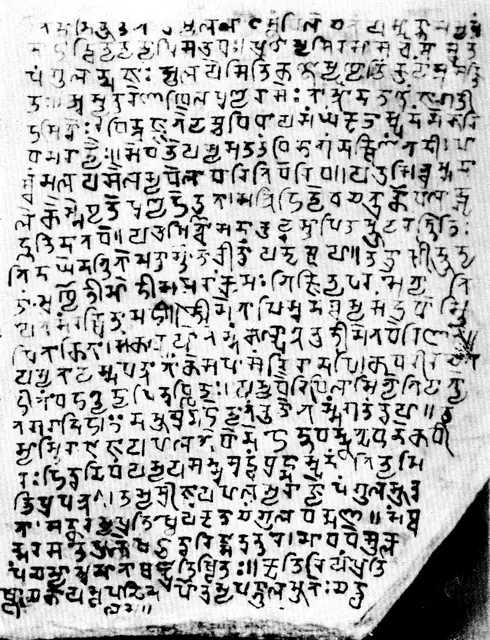
Laghman moved the frontier of the Hindu Shahis back to the Khyber and left the passes into India in Ghaznavid hands on the eve of Mahmud’s raids.