
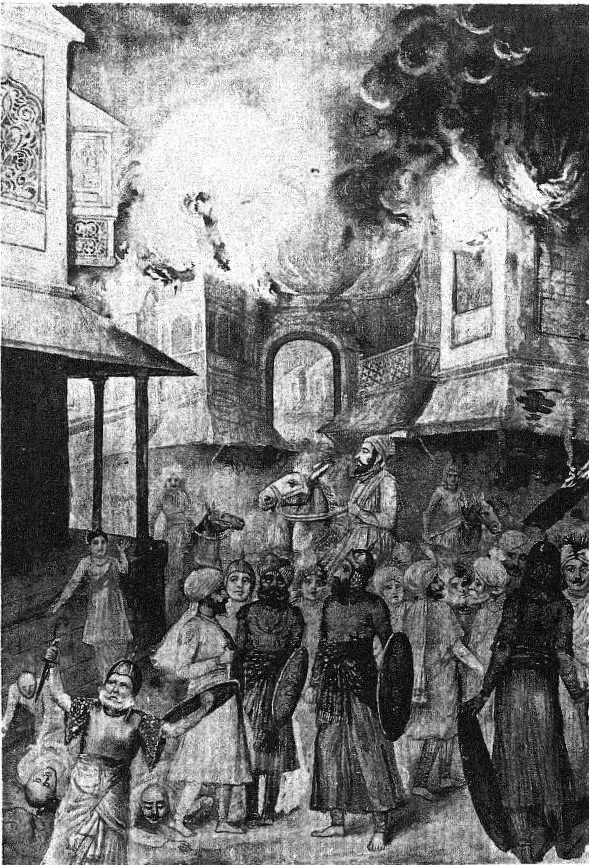
For four days the Marathas took the wealth of the richest Mughal port while its governor sat in the castle; Shivaji withdrew before any relief came.
01Four days in Surat
Surat had no city wall worth the name. Shivaji came up from the south with some thousands of horse in the first week of January 1664 and sent word to the governor and the great merchants to come and pay. Inayat Khan shut himself in the castle by the river and sent an agent who tried to stab Shivaji during the talks. The Marathas then took the houses of the richest traders, among them Virji Vora, one of the wealthiest men of his age, and the Mughal customs house. The English factory under George Oxenden and the Dutch factory armed their men and were left alone.
02Why Surat
Shaista Khan’s three years in Maharashtra had burnt villages and cut Shivaji’s revenue. Surat was the richest city in the Mughal west and the port from which Haj pilgrims sailed. The treasure carried back to Rajgad paid for forts and for the coming sea fortress at Sindhudurg, whose foundation was laid later that year. Aurangzeb answered by sending Mirza Raja Jai Singh and Dilir Khan south, which led to the siege of Purandar in 1665. Shivaji raided Surat a second time in 1670.
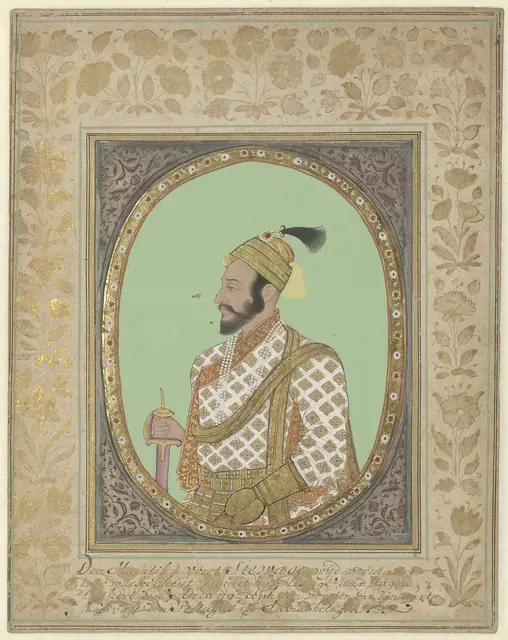
Surat showed that the Mughal empire could not protect even its greatest port, and it gave the young Maratha state the money to build its forts and its navy.