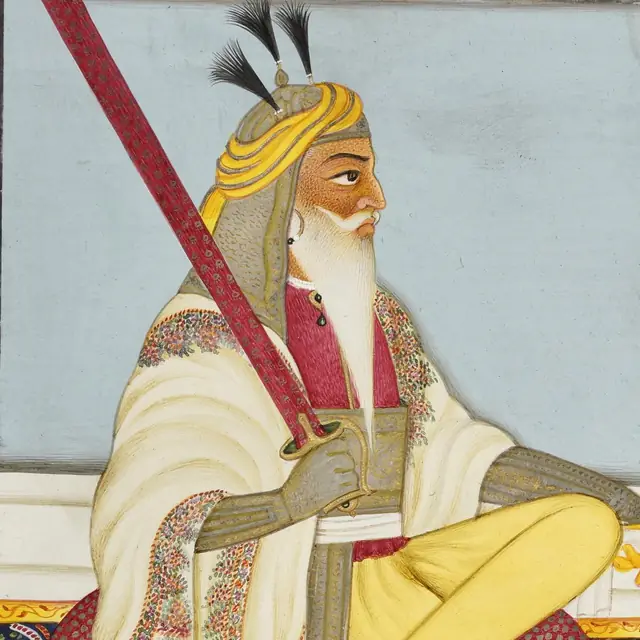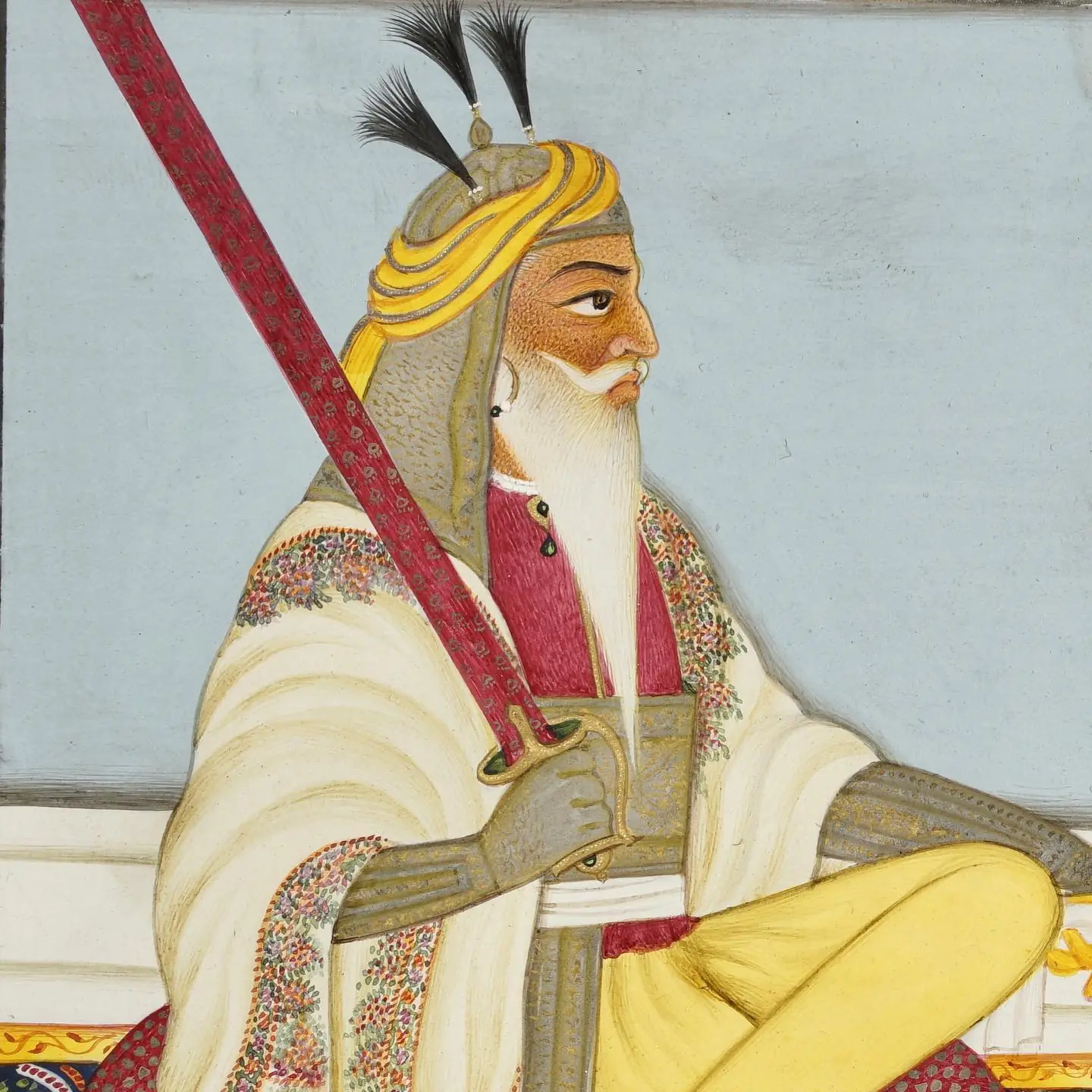
Jabbar Khan’s army was beaten and fled; Kashmir passed from the Afghans to the Sikh Empire after sixty-seven years.
01Birbal Dhar’s appeal
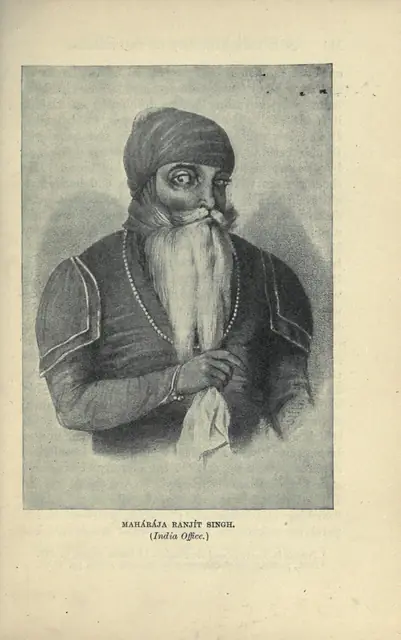
Kashmir had been ruled by Afghan governors from Kabul since 1752. Kashmiri Pandit tradition, and the histories written from it, remember those years for heavy exactions and cruelty to Pandits and to the valley’s people. Birbal Dhar, a Pandit revenue official, escaped to Lahore and urged Ranjit Singh to take the valley. In 1819 the Maharaja sent an army over the Pir Panjal under Misr Diwan Chand and Kharak Singh, while he himself waited with reserves at the foot of the hills.
02The fight at Shopian
Jabbar Khan met the Sikhs on the plain below Shopian on 3 July. His Afghans charged and drove in part of the Sikh line and took some guns, but Diwan Chand’s artillery and the fresh troops he brought up turned the battle, and Jabbar Khan, wounded, fled back over the mountains. The Sikh army entered Srinagar without further fighting. Kashmir was ruled from Lahore until 1846, with Hari Singh Nalwa among its governors, and then passed to Gulab Singh of Jammu.
Shopian returned Kashmir to Indian rule after centuries and led, through the Sikh and Dogra states, to the Jammu and Kashmir that joined India in 1947.