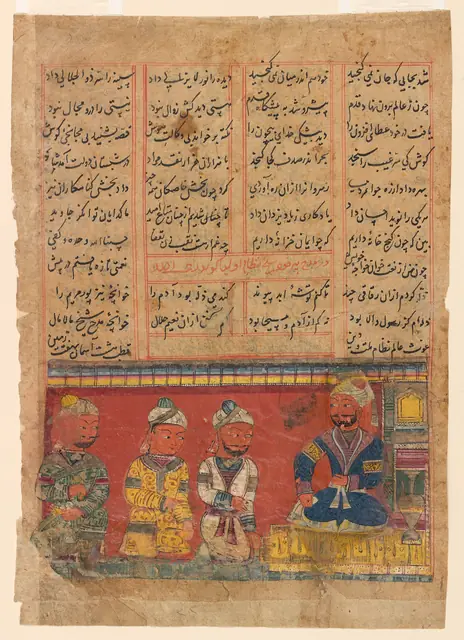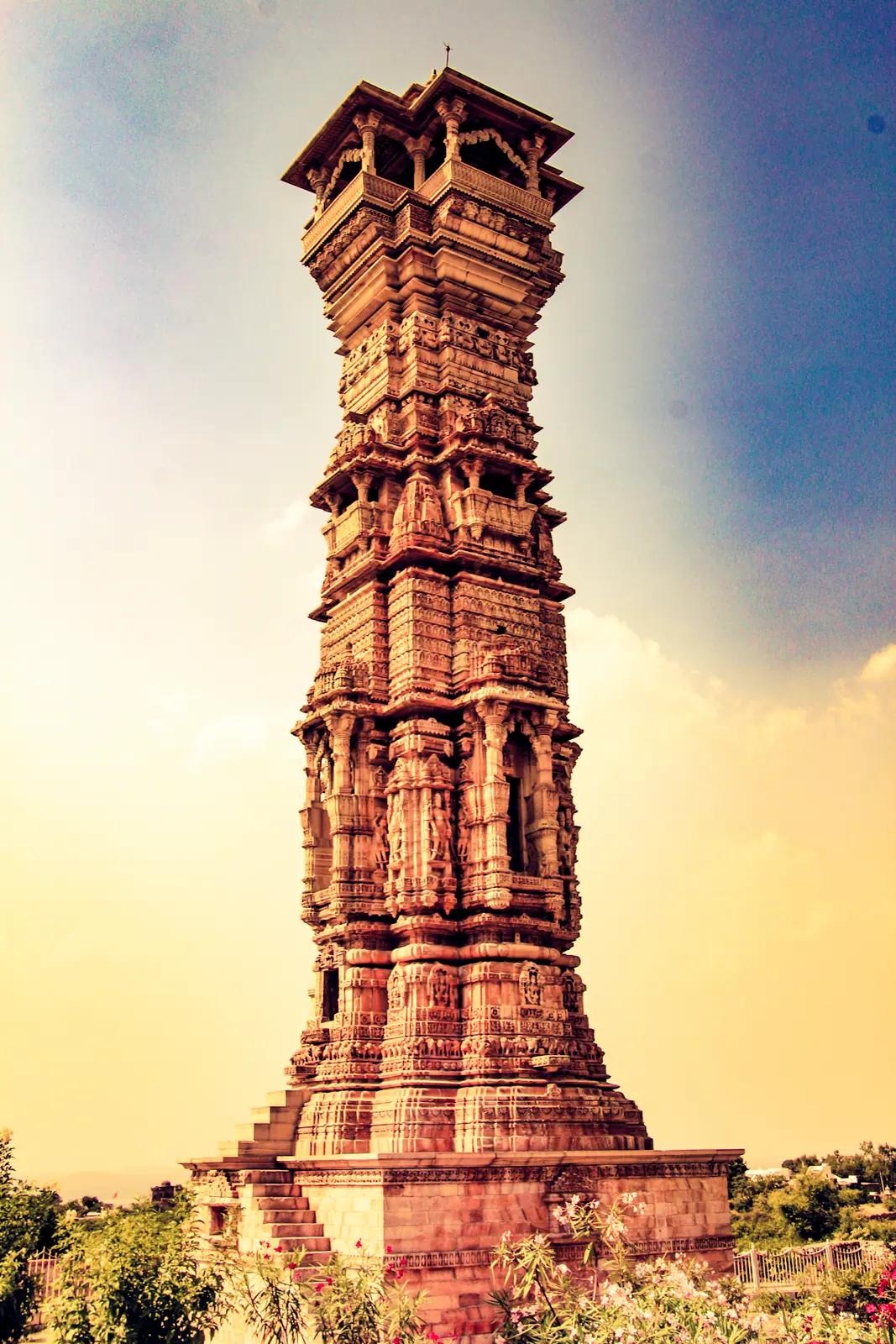
After about eight months the fort was taken; Alauddin ordered a massacre and renamed Chittor Khizrabad after his son.
01Eight months on the hill
Chittor sits on a long mesa above the Gambhiri river. Alauddin pitched his tent between the Gambhiri and the Berach and kept the fort under siege through the hot months. Khusrau gives the day of its capture as Monday, 11 Muharram 703 AH, which is 26 August 1303. Ratnasimha’s fate is not clear from the Persian account. The Sultan handed the fort to his son Khizr Khan and called it Khizrabad. Within a few years Delhi gave it up to a Rajput vassal, and the Sisodias under Rana Hammir won it back.
02Rani Padmini
The name most people tie to 1303 is Rani Padmini, wife of Ratnasimha, who led the women of the fort into the fire of jauhar. Her story comes to us through the Padmavat of Malik Muhammad Jayasi, an Awadhi poem completed in 1540, and through the Rajput bards who carried it in many versions. The contemporary Persian writers do not name her. Mewar has kept her as the first great jauhar of Chittor, and that is how she is remembered on the fort today.
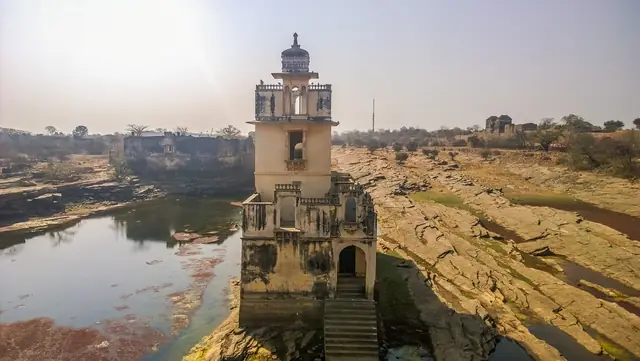
The first of Chittor’s three sakas; the fort was lost and regained within a generation, and Mewar rose again under the Sisodias.