
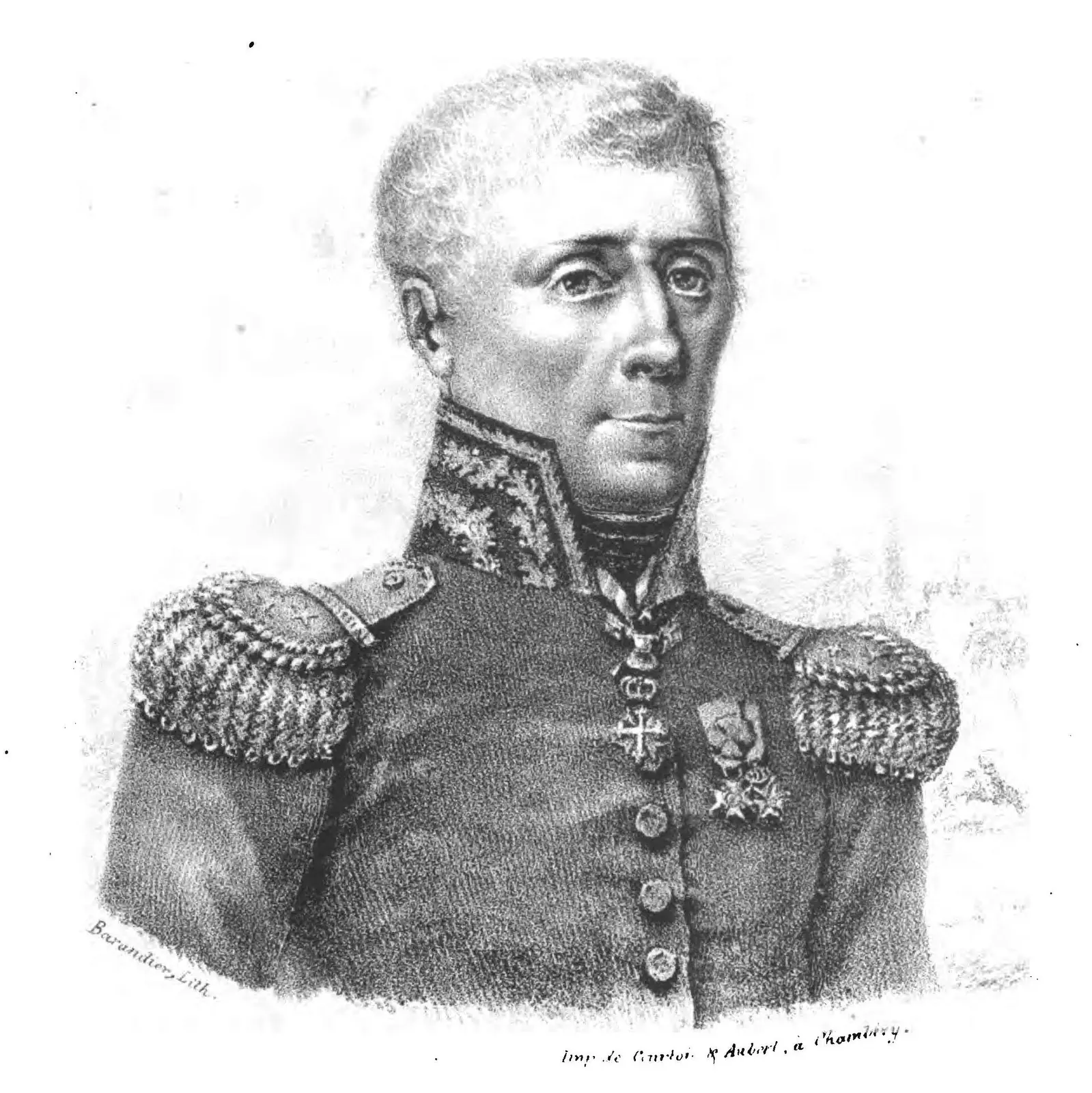
De Boigne’s brigades routed the allied army and took over a hundred guns; Ismail Beg fled.
01Infantry that held
Ismail Beg, nephew of Hamadani, had joined Jaipur and held the Shekhawati hills against the Marathas. De Boigne brought two brigades of drilled sepoys with field guns, under European and Indian officers, alongside the Maratha horse of Gopal Rao Bhau. The battle at Patan was fought on broken ground below the hills. The allied cavalry charged the brigades and broke against their squares and grapeshot, and the Maratha horse finished the rout. The allied camp, its guns and its elephants were taken.
02After Patan
Jaipur paid its arrears and promised tribute. Ismail Beg fled to Ajmer and fought on until he was taken in 1792 and kept a prisoner at Agra. For de Boigne, Patan was the proof he had promised Mahadji: a brigade paid regularly and drilled daily would stand where feudal levies broke. More brigades were raised in the years that followed. Mahadji turned next on Jodhpur, whose Rathores had saved Jaipur at Lalsot, and within three months de Boigne met them at Merta.
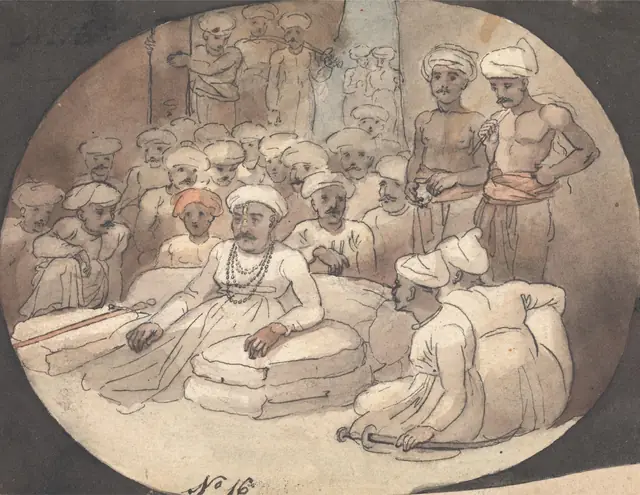
Patan proved Mahadji’s brigades in battle and restored Maratha supremacy over the Rajput states.