
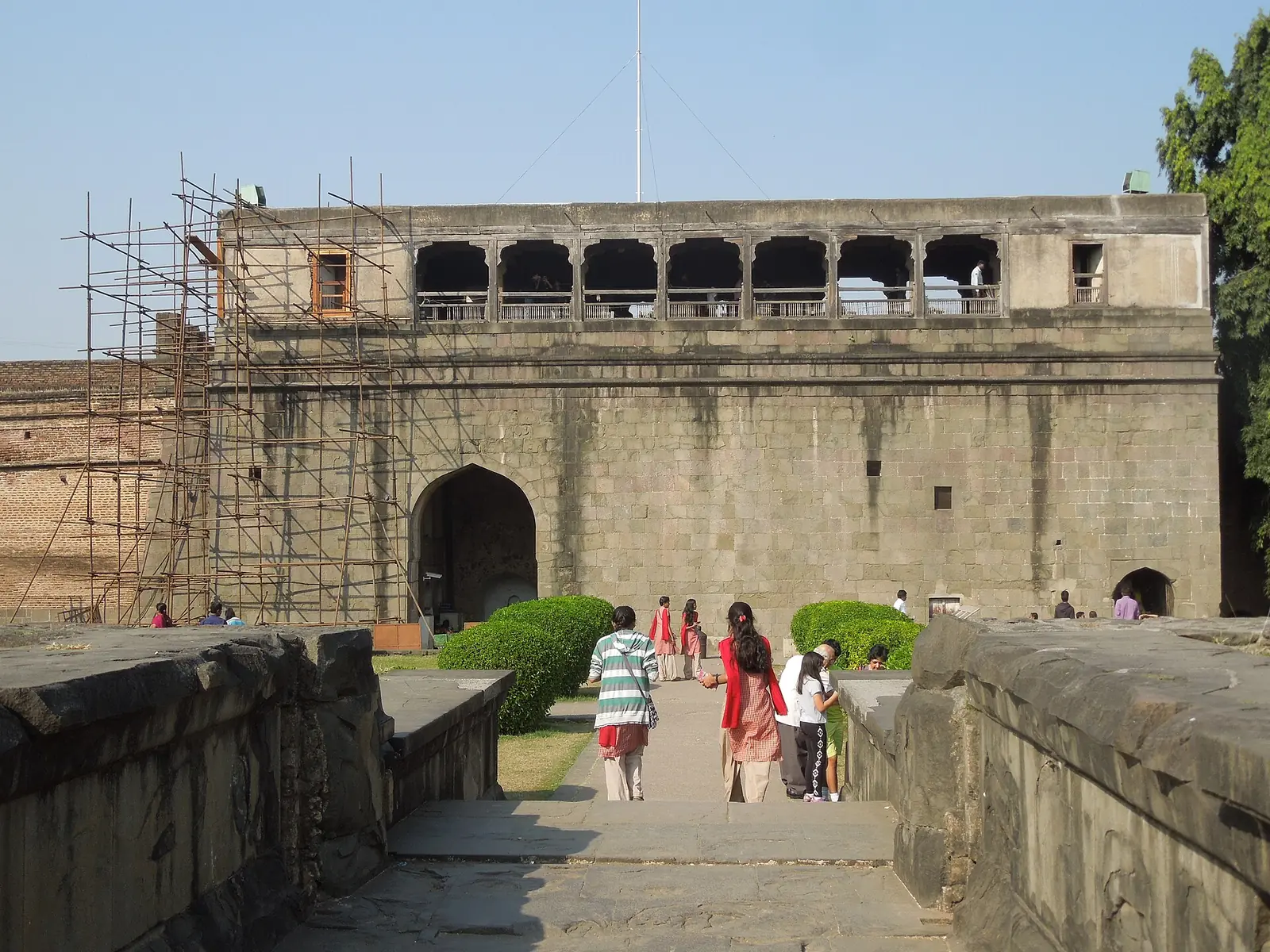
The fort was stormed; its defenders killed their own families and died fighting. Days later Vijayarama Raju was killed in his tent in revenge.
01An old feud and a French army
In the 1750s the French under the Marquis de Bussy held the Northern Circars, the coastal districts north of the Godavari, in the name of the Nizam. The Rajas of Vizianagaram and the Velama chiefs of Bobbili had long been enemies. Pusapati Vijayarama Raju persuaded Bussy that Bobbili was disloyal, and in January 1757 the French marched against it with guns, joined by Vizianagaram’s men. Ranga Rao of Bobbili refused to give up his fort and his ancestral lands. The British historian Robert Orme, who drew on French officers’ accounts, describes the guns battering a mud fort that had no answer to them.
02The last day and the revenge
On 24 January 1757, when the walls were breached and no hope was left, the defenders put their wives and children to death so that none would be taken, and then fought until almost every man was dead. Ranga Rao fell with them. One small son was carried out alive, and Bussy, shaken by what he saw, restored him to the family lands. Three nights later Tandra Papayya and two other Velama men slipped into Vijayarama Raju’s camp and stabbed him to death in his tent, and were themselves killed. The Bobbili Katha ballads still sing of the siege in Andhra villages.
Bobbili was the last stand of the old poligar honour against the new European armies on the eastern coast, and it lives on in Telugu memory as the jauhar of the south.