
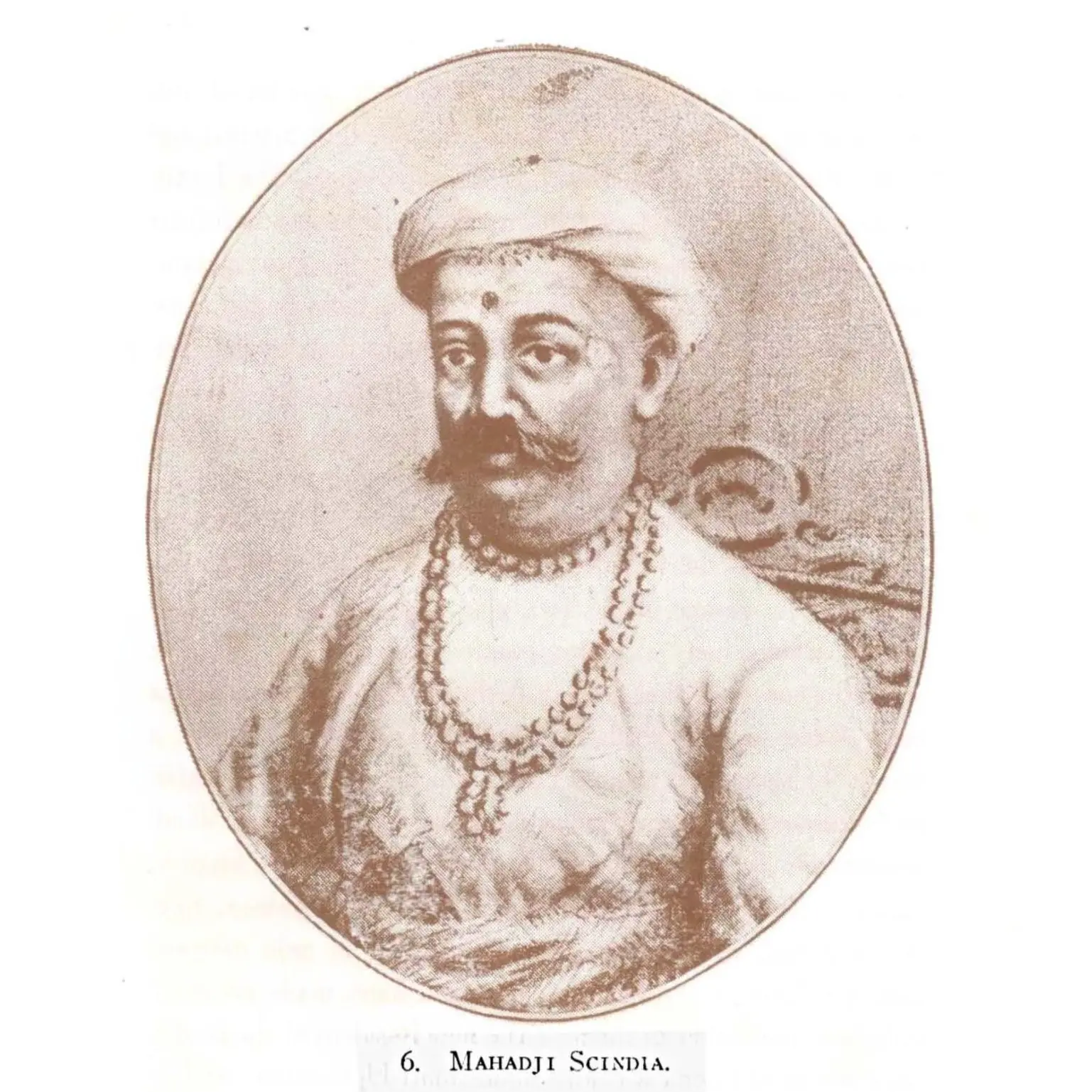
A bloody but indecisive day; with Mughal troops in his army deserting, Mahadji withdrew on 1 August, and the Rajputs claimed the victory.
01The defection
Mahadji had become regent of the Mughal empire for the blind emperor’s cause and paid his army partly from Rajput tribute. When Jaipur refused, he marched against it. Before the battle Muhammad Beg Hamadani, a Mughal noble with a large body of troops, went over to the Rajputs. On 28 July the Rathore horse of Jodhpur charged home again and again; Jadunath Sarkar wrote that the battle, though sanguinary, had no decisive result. A stray shot killed Hamadani, but Mahadji, unsure of the Mughal and Rajput soldiers in his own ranks, held back.
02Lesson learnt
Mahadji fell back towards Gwalior, and for a time his hold on Delhi slipped; Ghulam Qadir seized the city in 1788 and blinded the emperor Shah Alam. Mahadji took from Lalsot the lesson that he needed troops loyal to him alone. He gave Benoît de Boigne, a Savoyard soldier, money to raise brigades of regular infantry with their own guns. Those brigades won Patan and Merta three years later.
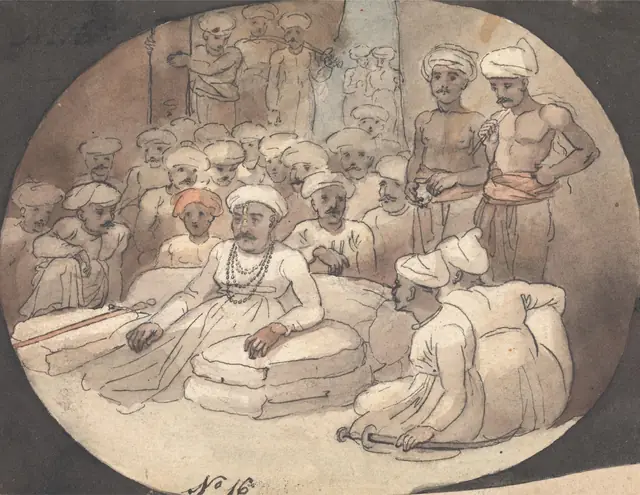
Lalsot checked Maratha power in Rajputana for three years and led Mahadji to build the drilled brigades that made him master of north India.