
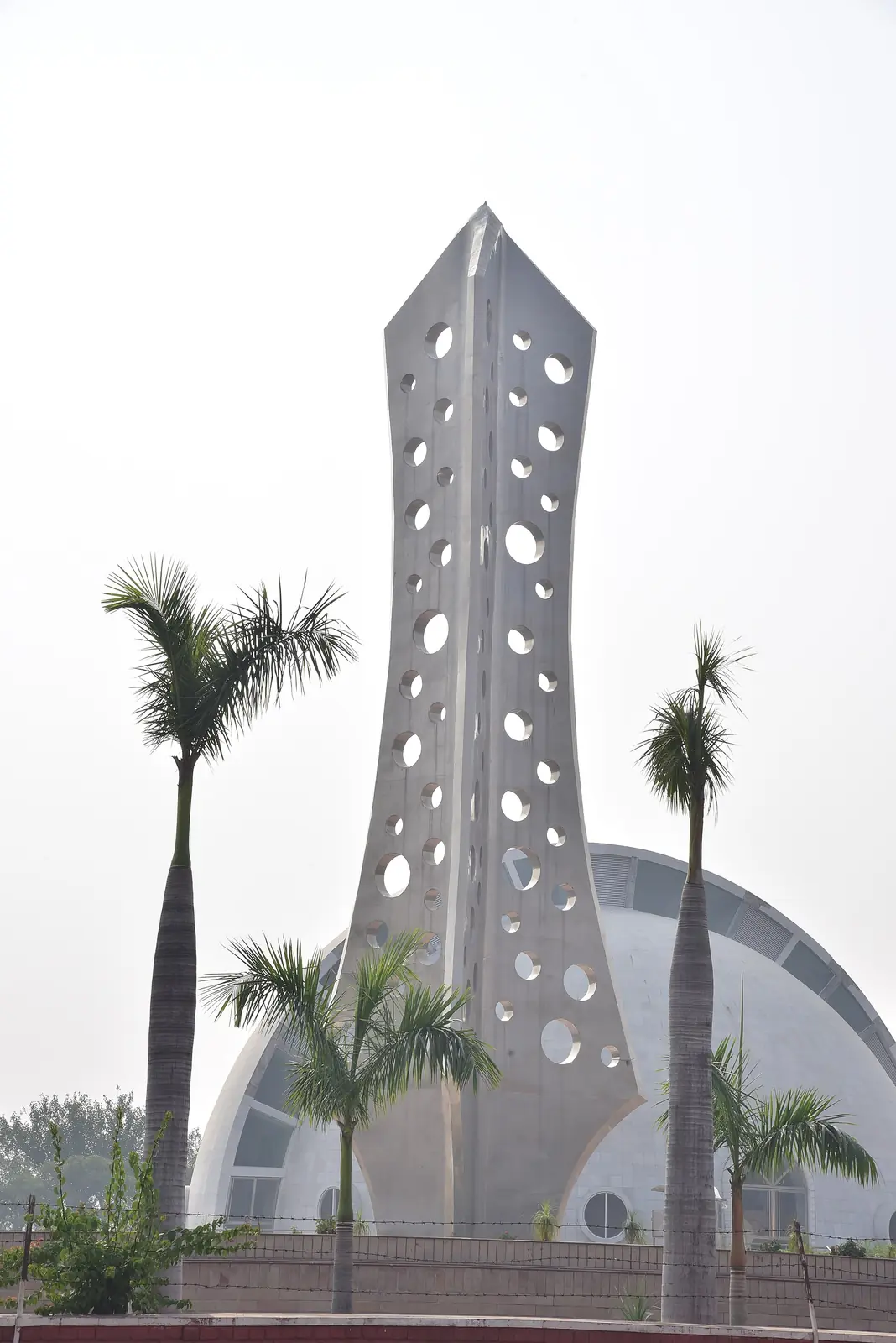
The band was captured, and sixty-five Kukas were blown from guns at Malerkotla on 17 and 18 January 1872 without trial.
01Satguru Ram Singh’s boycott
Satguru Ram Singh founded the Namdhari order at Bhaini Sahib in 1857. He asked his followers to keep a simple discipline, to protect the cow, and to refuse things British: their schools, courts, cloth and post. They wore homespun white. In mid-January 1872 a band of Kukas, angry over cow slaughter in the state, attacked the fort at Malaudh and then Malerkotla on 15 January, where several on both sides were killed. They were caught at Rurr village.
02At the mouth of the guns
On 17 January 1872 the Deputy Commissioner of Ludhiana, Cowan, had forty-nine prisoners tied to cannon at Malerkotla and blown away, without trial. Next day Commissioner Forsyth had sixteen more executed the same way. Cowan was dismissed from service for it, but Satguru Ram Singh was deported to Rangoon, where he died in exile in 1885. A memorial now stands on the execution ground at Malerkotla.
The Kukas’ boycott of British goods, courts and schools anticipated by half a century the methods of swadeshi and non-cooperation.