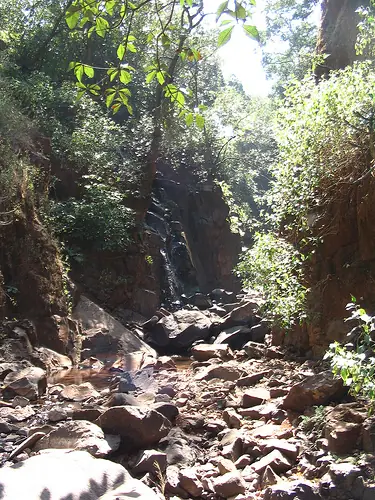
Baji Prabhu held the pass until Shivaji reached Vishalgad, and fell as the signal guns were fired.
01The night escape
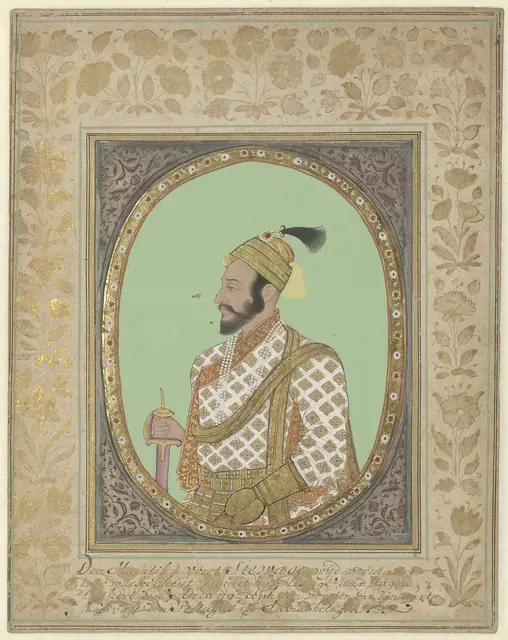
In the monsoon rain of 12 July 1660 Shivaji left Panhala in a palanquin with a few hundred picked men. Maratha tradition holds that a barber named Shiva Kashid, who looked like him, went out by another road in a second palanquin, was captured, and was killed when the trick was found. The Bijapur cavalry under Siddi Masud soon picked up the real trail. With Vishalgad still miles away, Baji Prabhu Deshpande took half the men and stood in the gorge of Ghod Khind.
02Until the guns sounded
For hours the small band beat back attack after attack in the narrow gorge. Baji Prabhu, wounded again and again, kept fighting with a sword in each hand. He had asked to hear the cannon of Vishalgad that would mean Shivaji was safe. Shivaji had to cut his way past the Bijapur posts around Vishalgad before he could get in. When the guns were fired, Baji Prabhu died. Shivaji named the pass Pavan Khind, the hallowed pass, for the blood shed there.
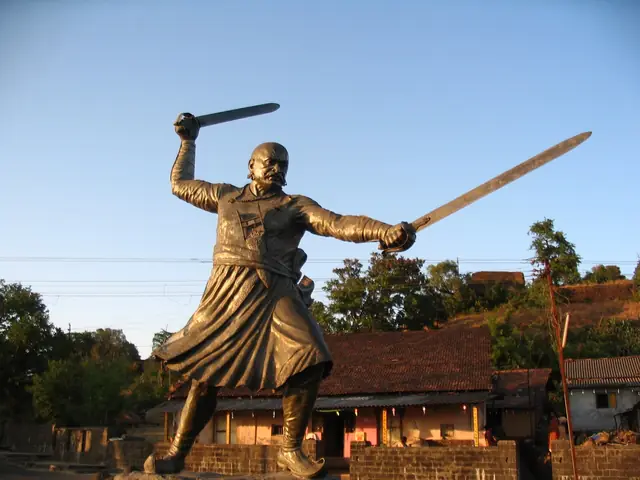
Pavan Khind saved Shivaji and with him the Swarajya; it is Maharashtra’s Thermopylae.