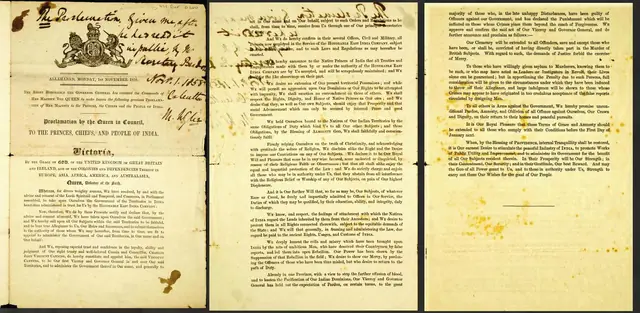
The Company stormed Delhi on 14 September and held the whole city by 20 September; Bahadur Shah Zafar surrendered the next day.
01The Ridge
The sepoys from Meerut reached Delhi on 11 May 1857 and proclaimed the aged Bahadur Shah Zafar their emperor. Regiment after regiment marched in from across Hindustan. On 8 June a British force beat a sepoy army at Badli-ki-Serai and took the Ridge north of the city, where it sat through the summer heat, cholera and almost daily attacks. In July Bakht Khan arrived from Bareilly and took command inside. Sikh, Punjabi and Gurkha troops, and a siege train from the Punjab, reached the Ridge in August and September.
02The assault
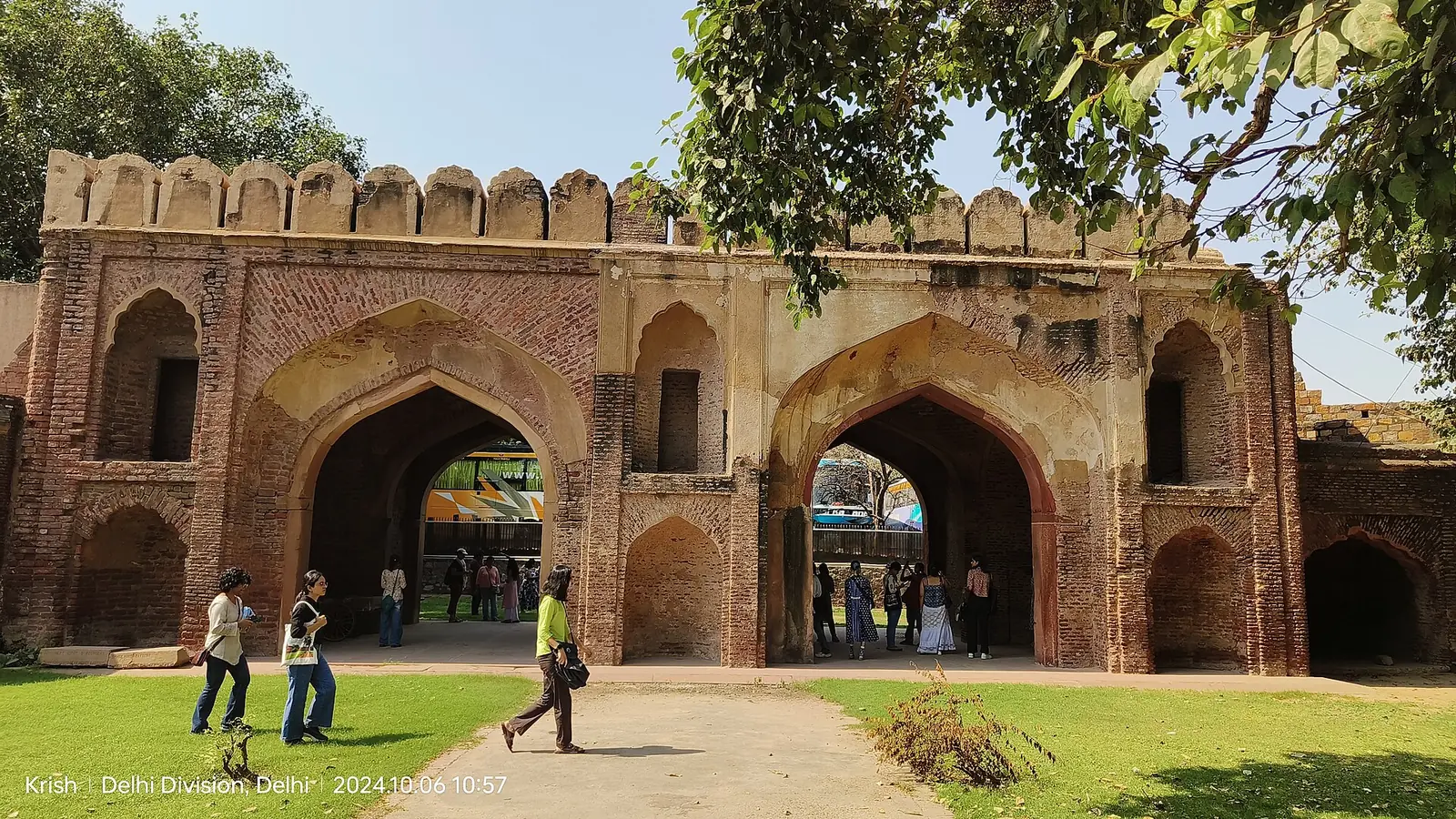
On 14 September 1857 the assault columns went in. Engineers blew the Kashmiri Gate under fire, and the stormers fought street by street. John Nicholson was shot near the Burn Bastion and died on 23 September. The city was taken by 20 September. Bahadur Shah surrendered at Humayun’s Tomb on 21 September; the next day William Hodson shot three Mughal princes near the Delhi Gate. Delhi was plundered, and great numbers of its people were killed or driven out. Zafar was tried and exiled to Rangoon, where he died in 1862.
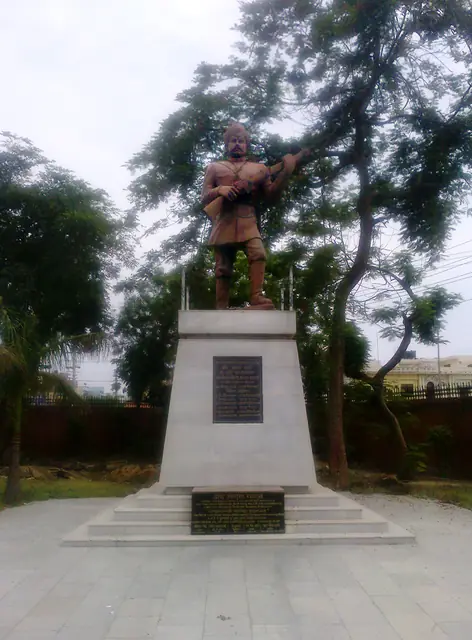
The fall of Delhi took from the rising its centre and its symbol, though the war went on for another year in Awadh and central India.