
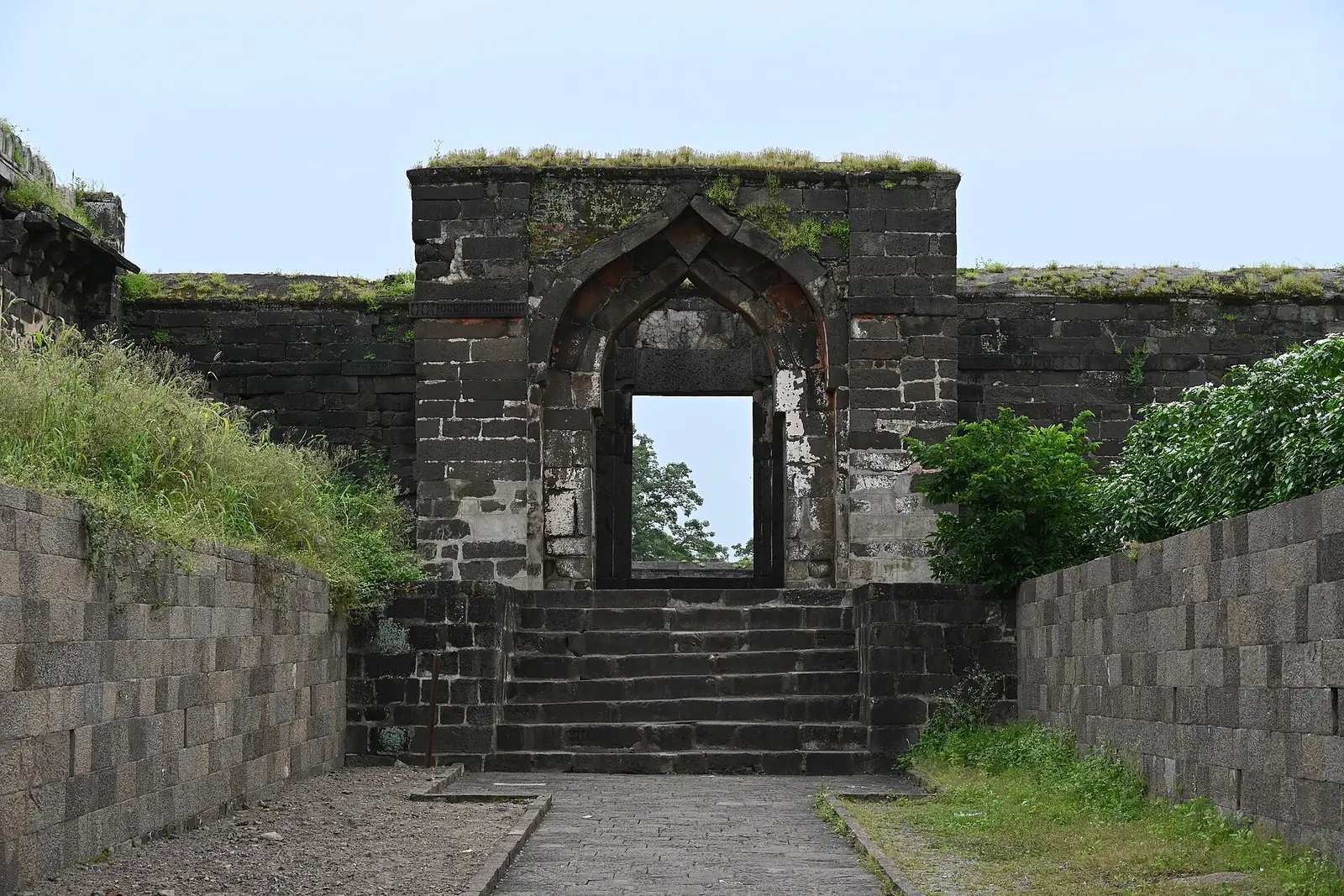
Ramachandra paid a huge ransom and promised tribute; Alauddin took the treasure north and used it to seize the Delhi throne.
01A capital caught unready
Alauddin, nephew of Sultan Jalaluddin and governor of Kara, marched south in early 1296 without his uncle’s leave, giving out that he was a noble leaving the Sultan’s service. He reached Devagiri when the Yadava army was away with the crown prince Singhana. Ramachandra shut himself in the fort, which was poorly stocked, and opened talks. Singhana came back and attacked the raiders but was beaten. Barani and Isami, the Sultanate historians, write of the gold, silver, pearls and silks that Ramachandra had to give, and of the revenue of Ellichpur promised as yearly tribute.
02From Devagiri to Delhi
With the Devagiri treasure Alauddin returned to Kara. In July 1296 he had Jalaluddin killed when the old Sultan came to meet him, and bought the loyalty of the Delhi nobles with the southern gold. The raid showed the wealth of the Deccan kingdoms to Delhi. Within fifteen years Malik Kafur returned to Devagiri, then Warangal, Dwarasamudra and Madurai, and in 1317–18 the Yadava kingdom was ended.
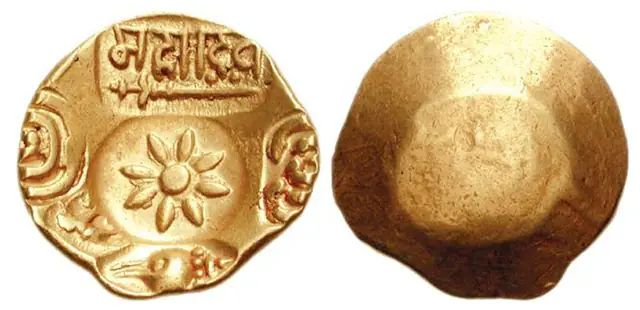
Devagiri 1296 opened the Deccan to the Delhi Sultanate and paid for the reign of its most aggressive sultan.