
The ratings surrendered on 23 February on the advice of national leaders, but the rising showed that the Raj could no longer rely on its Indian forces.
01Talwar to the fleet
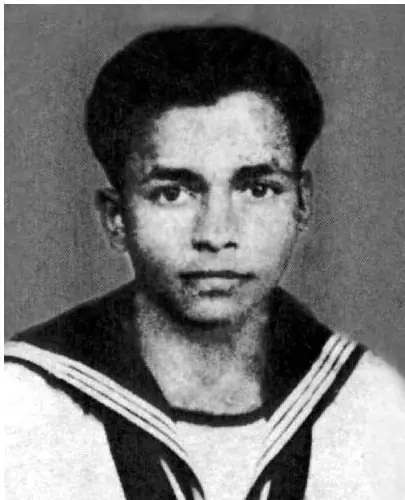
Early in February 1946 Leading Telegraphist B. C. Dutt was arrested for painting ‘Quit India’ and other slogans on HMIS Talwar. On 18 February the ratings there refused food and work, protesting bad rations and racial abuse by officers. By the next day ships in Bombay harbour and shore bases had joined; some 20,000 ratings took part across India. They ran up the flags of the Congress, the Muslim League and the Communist Party together, and demanded the release of INA prisoners.
02The surrender
In Bombay the city struck in support; police and troops fired on crowds and many were killed. At Karachi HMIS Hindustan exchanged fire with troops ashore. The British brought warships and aircraft towards Bombay. Sardar Vallabhbhai Patel and M. A. Jinnah both advised the ratings to give up, and on 23 February they surrendered, with their committee saying they gave in to India, not to Britain. Within a month the British Cabinet Mission was on its way to India.
Coming after the INA trials, the naval revolt convinced the British that the Indian armed forces could no longer be trusted to hold India for them.