Aurangzeb died in the Deccan in 1707 without having conquered the Marathas, who came out of the war stronger.
01Sambhaji
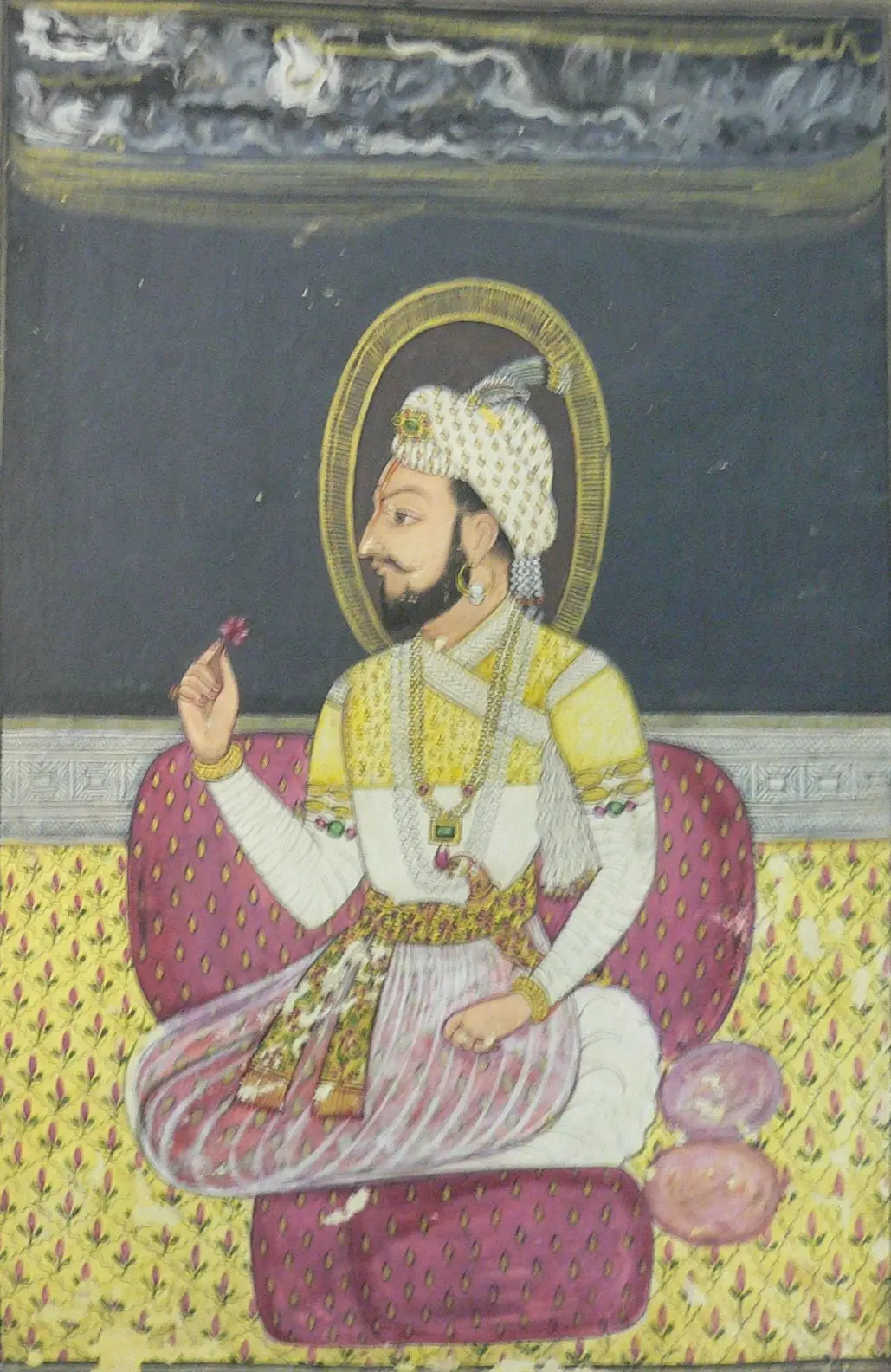
Sambhaji fought on every front at once: the Mughals, the Siddis of Janjira and the Portuguese of Goa. Bijapur fell to Aurangzeb in 1686 and Golconda in 1687, leaving the Marathas alone. In February 1689 Sambhaji was betrayed and captured at Sangameshwar. He refused every demand put to him and was put to death at Tulapur on the Bhima in March 1689 after days of torture. The Maasir-i-Alamgiri records the capture. Raigad fell the same year.
02A war without a capital
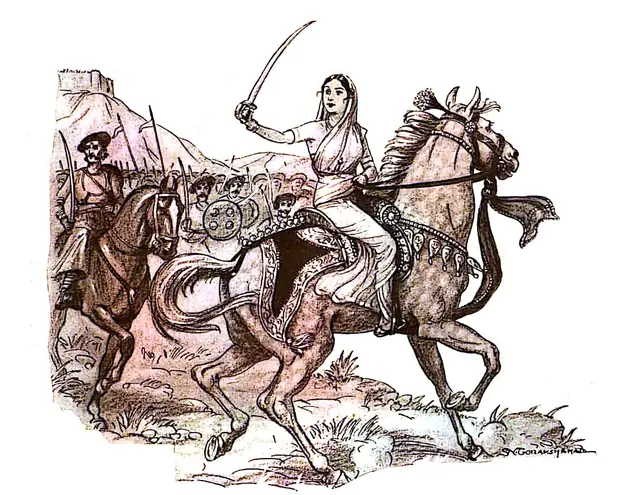
Rajaram slipped away to Jinji in the far south, and the war spread across the whole peninsula. Santaji Ghorpade and Dhanaji Jadhav led fast horse that cut Mughal supply lines and beat Mughal columns in the field. After Rajaram died in 1700, his widow Tarabai ran the war in the name of her young son. Aurangzeb spent his last years besieging hill forts, taking one only to see another retaken.
03Ahmednagar, 1707
Aurangzeb died at Ahmednagar on 3 March 1707, aged eighty-eight. His treasury was drained and his army worn out. Within a generation Maratha horsemen were riding to Delhi, Malwa and Bengal.
The war broke the Mughal empire’s strength and made the Marathas the leading power of India in the century that followed.