
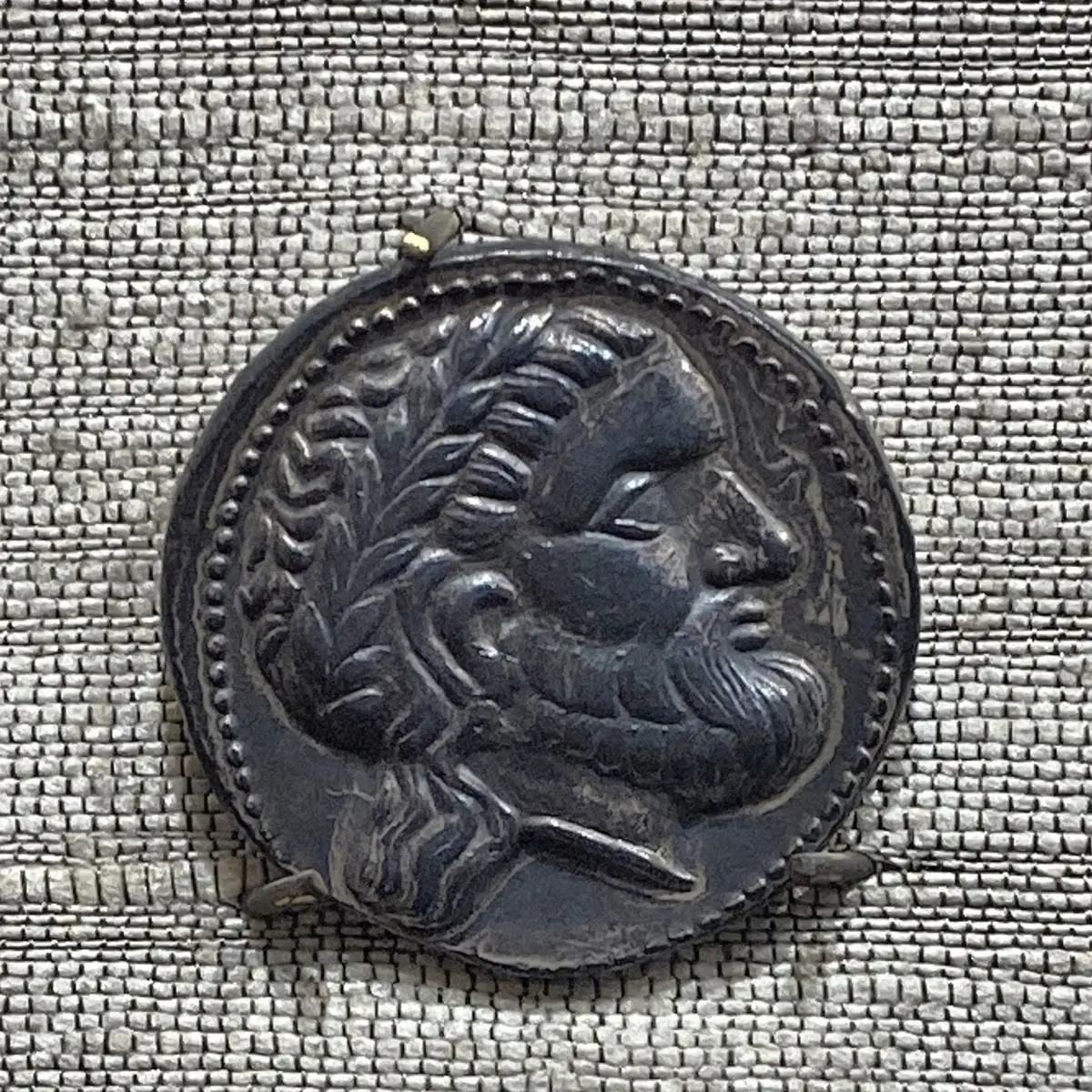
Seleucus gave up the lands west of the Indus as far as Arachosia and Gedrosia, and took 500 elephants in return.
01The treaty
No account of the fighting has come down; the terms have. Appian says Seleucus crossed the Indus and warred with Androcottus, king of the Indians, until they came to an understanding and a marriage alliance. Strabo says the lands along the Indus, once held by the Persians, were given to the Indians, and Seleucus received five hundred elephants. The territories named are Arachosia around Kandahar, Gedrosia in Baluchistan and the Paropamisadae around Kabul. Megasthenes went to Pataliputra as Seleucus’ envoy and wrote the Indica.
02Elephants at Ipsus
The elephants mattered far from India. In 301 BCE, at Ipsus in Asia Minor, Seleucus used them to cut off Demetrius’ cavalry and win the battle that settled Alexander’s empire among his generals. Chandragupta, for his part, now ruled from the Bay of Bengal to beyond Kandahar. Ashoka’s edicts in Greek and Aramaic at Kandahar, a lifetime later, stand in the land this treaty gave.
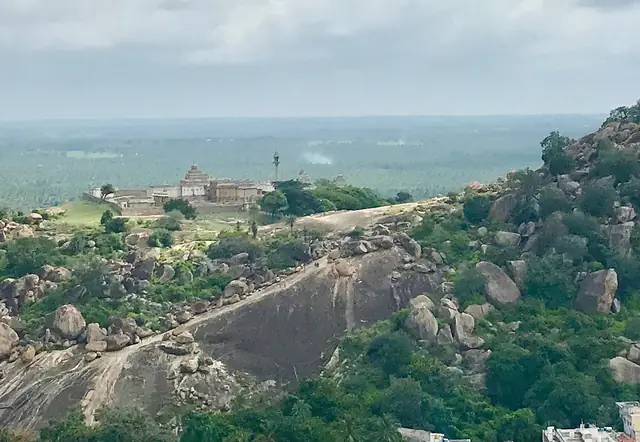
The treaty carried Bharat’s border to the Hindu Kush, the widest it would reach under one Indian crown for many centuries.