
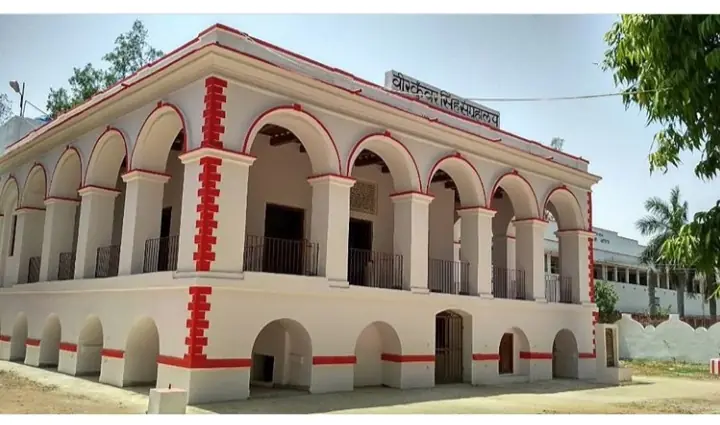
The small house held out for eight days; one relief column was ambushed and cut up, but Eyre’s guns beat Kunwar Singh and relieved Arrah on 3 August.
01The rising in Bihar
On 25 July 1857 three sepoy regiments at Danapur rose and marched west across the Son to Jagdishpur, the seat of Babu Kunwar Singh, a Ujjainiya Rajput zamindar then about eighty years old, who had long been in dispute with the Company over his estates. He joined them and led them to Arrah, the district town. The treasury was taken and the jail opened. A small party of British officials and civilians, with some fifty Sikh police under Herwald Wake, shut themselves into a small two-storey house that the railway engineer Richard Vicars Boyle had fortified, and held it from 27 July.
02Ambush, relief and a long war
The besiegers fired on the house day and night and tried to smoke it out; the defenders dug a well inside and countermined. A relief force from Danapur under Captain Dunbar marched into an ambush near Arrah on the night of 29–30 July and lost about half its men. Major Vincent Eyre then came up from Buxar with a small force and guns, beat Kunwar Singh at Bibiganj on 2 August, and relieved the house the next day. Jagdishpur was taken and burnt. Kunwar Singh did not give up: he fought on through Rewa, Banda and Azamgarh, and in April 1858, badly wounded, won back Jagdishpur days before he died.
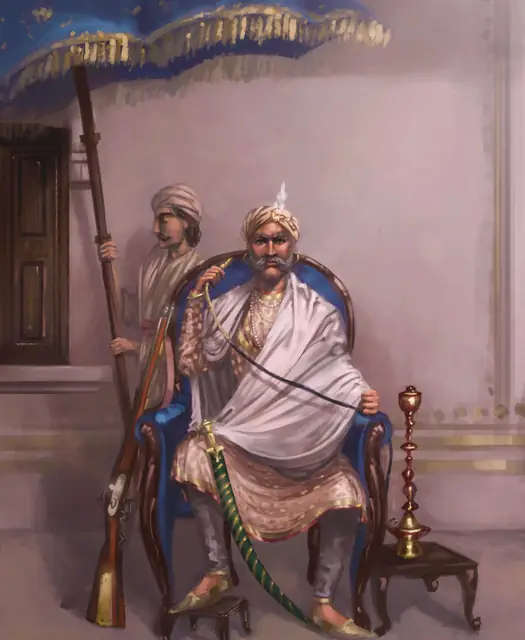
Arrah made Kunwar Singh the leader of the rising in Bihar, and his campaigns kept Company troops busy across north India long after Delhi fell.