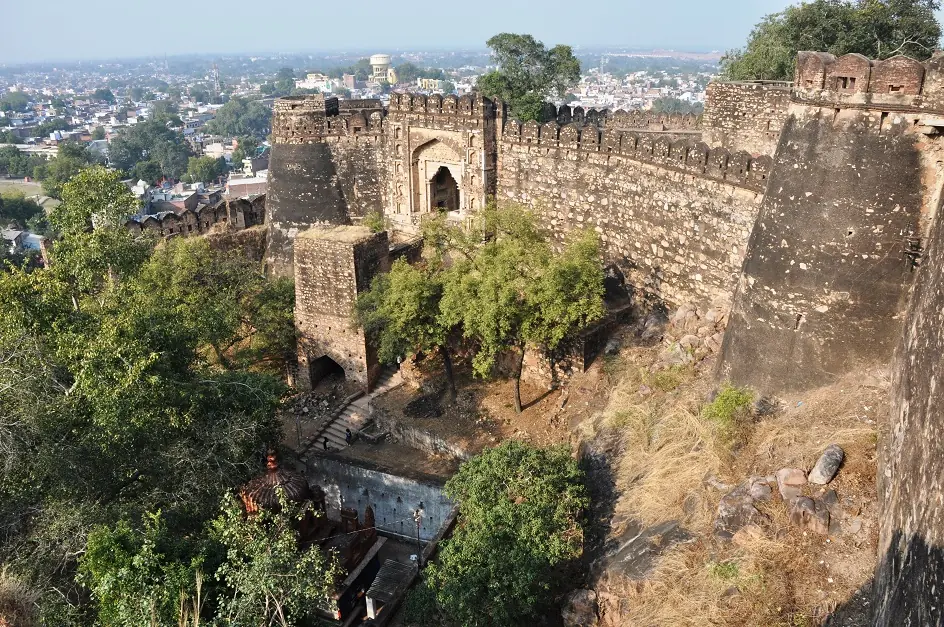
Rose stormed the city on 3 April 1858; the Rani broke out by night with her son and rode to Kalpi.
01Main ne Jhansi nahin dungi
Raja Gangadhar Rao died in November 1853 after adopting a boy, Damodar Rao. Lord Dalhousie refused the adoption and annexed Jhansi in 1854; the Rani was pensioned off. When the Jhansi garrison rose in June 1857 she took charge of the state, raised troops and cast guns. Sir Hugh Rose’s Central India Field Force reached Jhansi on 21 March 1858 and opened fire on the walls. Women carried shot and water to the batteries; the fort’s great guns answered the British for days.
02The Betwa and the breakout
Tatya Tope came with some 20,000 men to relieve the city, but Rose turned part of his force on him and beat him at the Betwa on 1 April. On 3 April the British stormed the walls and fought through the city, house by house; many of the townspeople were killed. On the night of 4 April the Rani, with Damodar Rao tied behind her, cut her way out with a small band of horsemen and rode through the night to Kalpi, more than a hundred miles away.
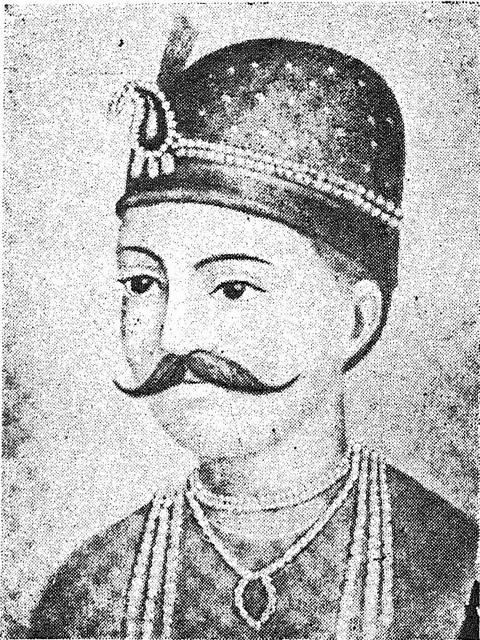
The defence of Jhansi made Rani Lakshmibai the best-loved figure of 1857, and the leap from its walls became part of the country’s memory.