The Company broke the palaiyakkarars fort by fort, hanged their leaders and annexed the Carnatic in 1801.
01Kattabomman, 1799
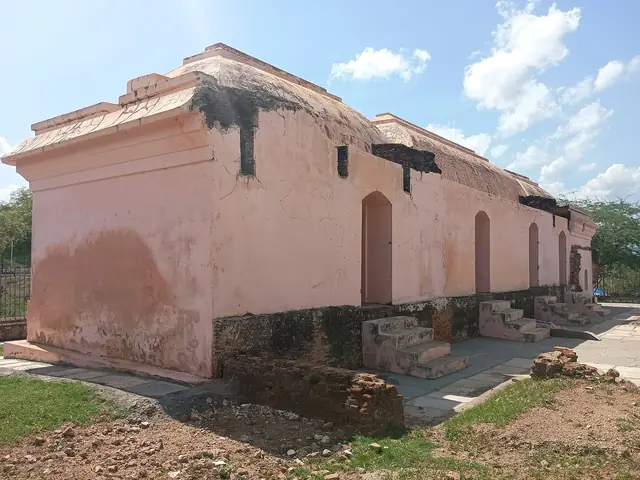
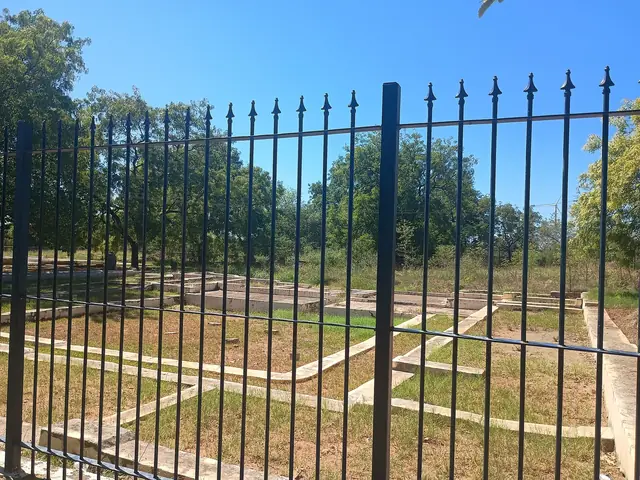
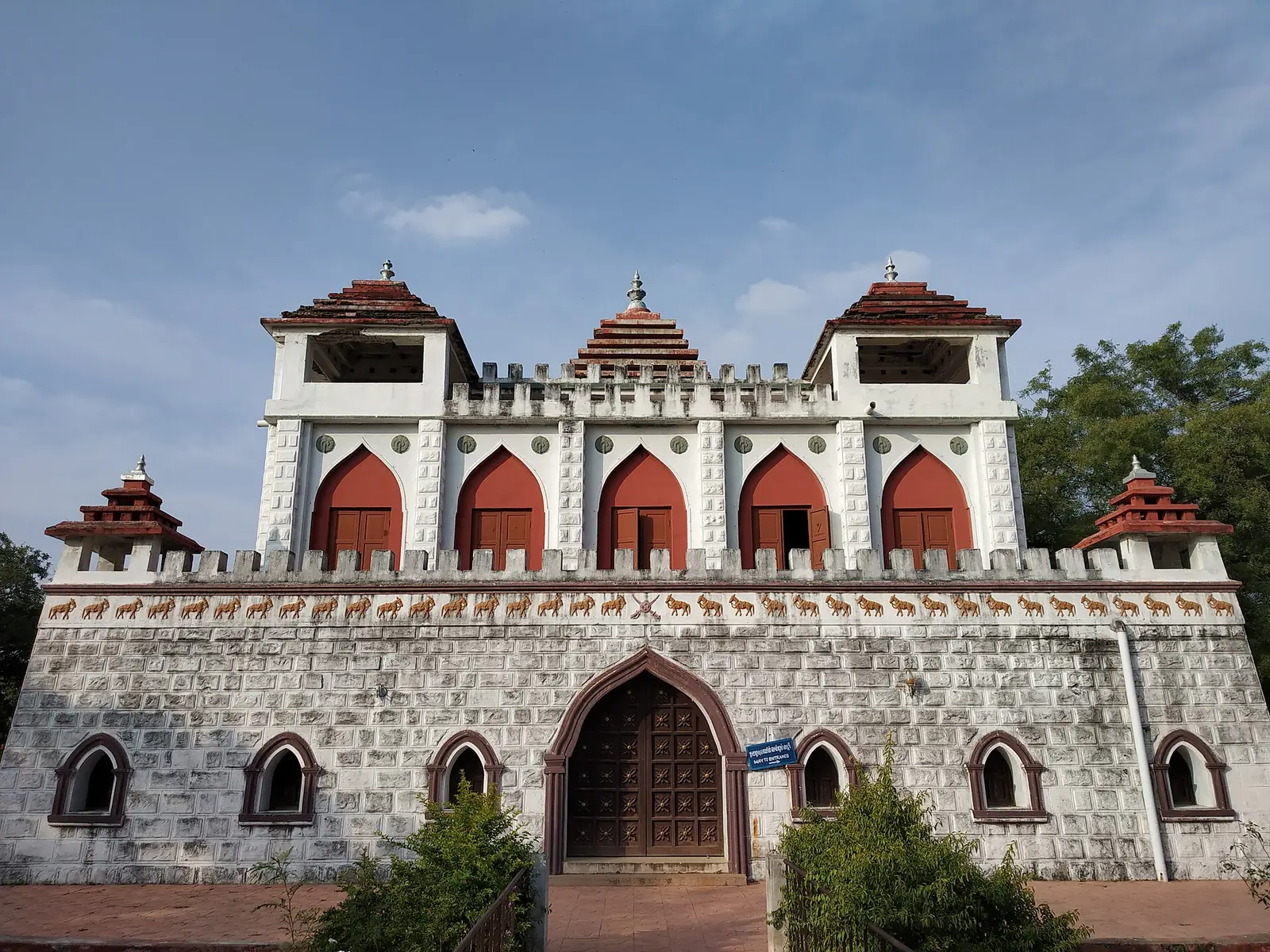
Veerapandiya Kattabomman held Panchalankurichi near Tirunelveli. He refused the Company’s demand for tribute and would not bend before its collector. In September 1799 Major Bannerman brought guns against his mud fort. Kattabomman broke out and fled north, but the Raja of Pudukkottai’s men took him. On 16 October 1799 he was hanged from a tamarind tree at Kayathar, in front of the other chiefs. His fort was razed and ploughed over. Tamil ballads have kept his defiance alive ever since.
02The Marudhu brothers and Kongu
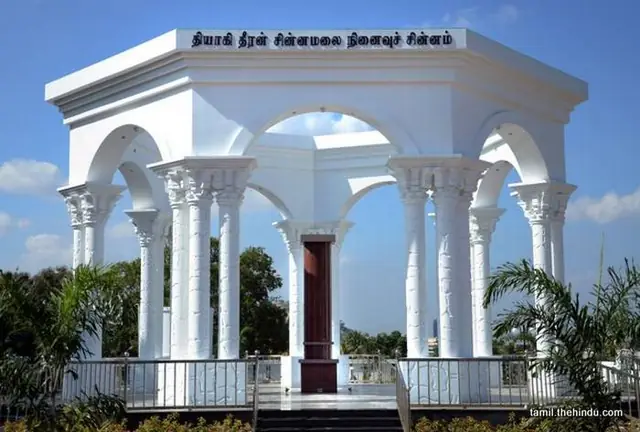
The second war of 1800–01 was wider. Kattabomman’s brother Oomaithurai escaped prison and rebuilt the fort; the Marudhu brothers of Sivaganga, Periya and Chinna Marudhu, joined the chiefs of the south into one league. In June 1801 they issued the Tiruchirappalli proclamation calling all people of the land to rise against the foreigners. Colonel Agnew’s columns took Panchalankurichi again and then Kalayarkoil. The Marudhu brothers were hanged at Tiruppathur on 24 October 1801. In the Kongu country Dheeran Chinnamalai fought on until he too was taken and hanged at Sankagiri in 1805.
The Polygar wars were among the earliest organised armed resistances to Company rule in the south, and the Tiruchirappalli proclamation spoke of the land as one people well before 1857.