
China overran Indian positions in both sectors and declared a unilateral ceasefire on 21 November, keeping Aksai Chin and withdrawing in the east.
01Namka Chu to Bomdila
The border quarrel over Aksai Chin and the McMahon Line had sharpened after the Dalai Lama’s flight to India in 1959. India pushed small posts forward without the troops, roads or winter clothing to hold them. On 20 October 1962 the PLA attacked at the Namka Chu river below the Thag La ridge and destroyed 7 Infantry Brigade; Tawang fell days later. In the second offensive from 17 November the Chinese outflanked Se La and took Bomdila. At Nuranang Rifleman Jaswant Singh Rawat held his post for hours, and at Walong the defenders fought for weeks.
02Rezang La
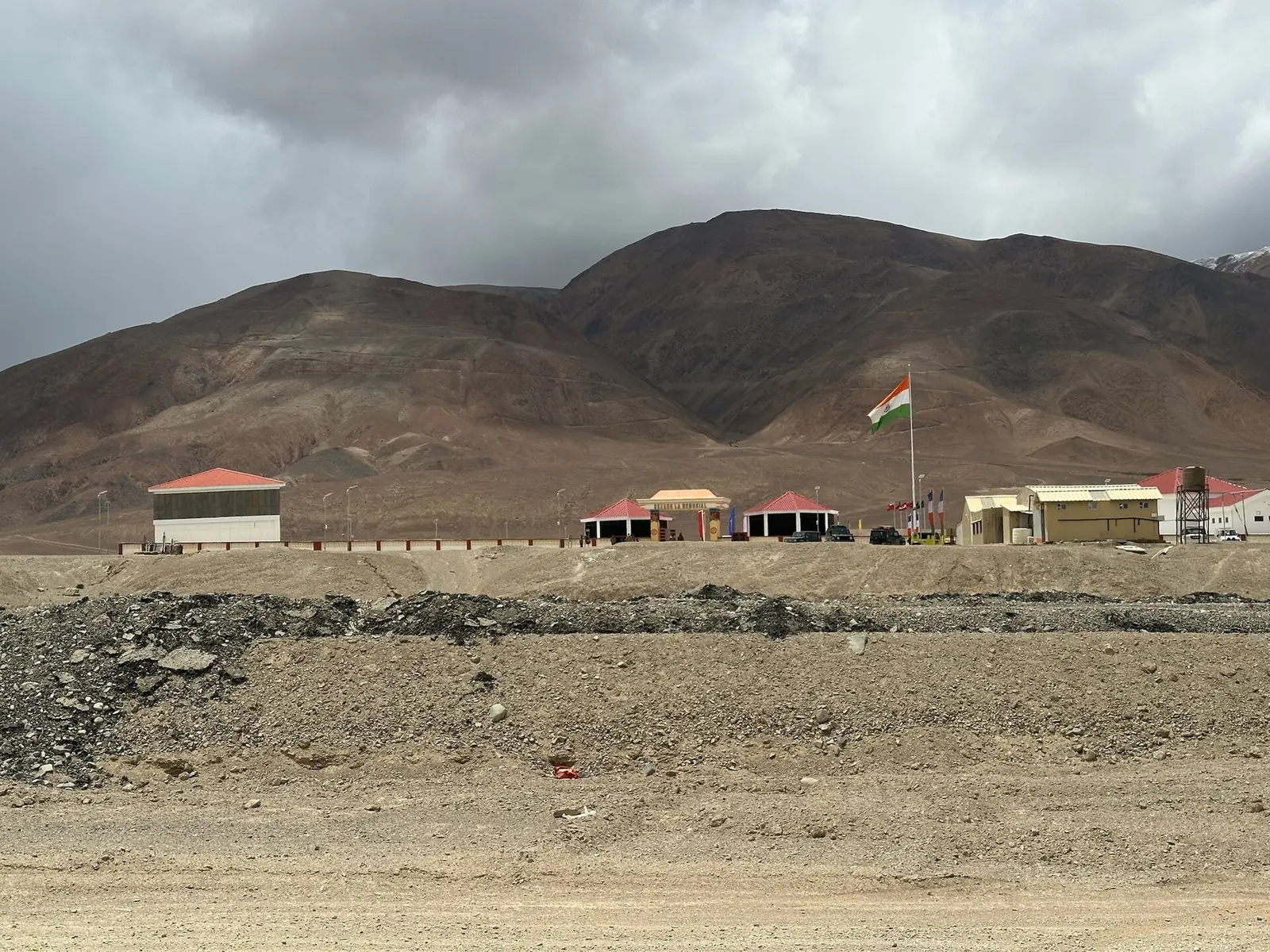
In Ladakh, on 18 November, C Company of 13 Kumaon under Major Shaitan Singh held Rezang La pass above Chushul at over 5,000 metres. Of about 120 men, most of them Ahirs from Haryana, well over a hundred died at their posts, and the Chinese lost heavily. Major Shaitan Singh was awarded the Param Vir Chakra after his death. On 21 November China declared a ceasefire. The Ministry of Defence’s official history gives India’s losses as 1,383 killed, 1,696 missing and 3,968 taken prisoner.
1962 forced India to rebuild its army, roads and border posts in the Himalaya, and the line where the fighting stopped still shapes the India–China frontier.