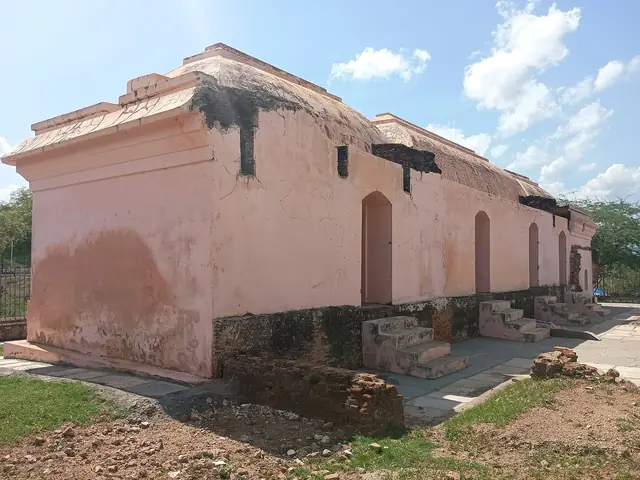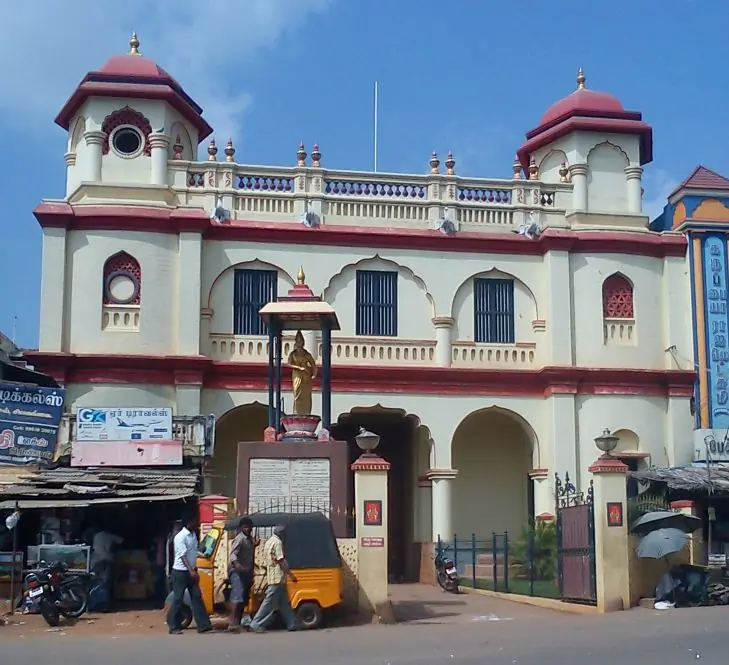
Velu Nachiyar took back Sivaganga and ruled it, with the Marudhu brothers as her ministers and commanders.
01The return
From Virupakshi the rani and the Marudhu brothers raised men among the Maravars and the local chiefs, and Hyder Ali, then at war with the Company and the Nawab, sent help; the minister’s letters had asked for five thousand horse. In 1780 her forces moved on Sivaganga and drove out the Nawab’s men. The Sivaganga district record, drawn from Company papers, adds that the Nawab allowed her return on condition of tribute, which shows how strong her position had become. She ruled until about 1790, and the Marudhu brothers governed the country after her.
02Kuyili in the songs
Tamil oral tradition tells of Kuyili, a commander of the rani’s women’s guard, who on a festival day entered the enemy fort among the worshippers, soaked herself in ghee, set herself alight and ran into the powder store. The story is not found in the Company records and is told as the people’s memory of that war. It is honoured today in Sivaganga, as is the rani herself, whom Tamil Nadu remembers as Veeramangai, the brave woman.
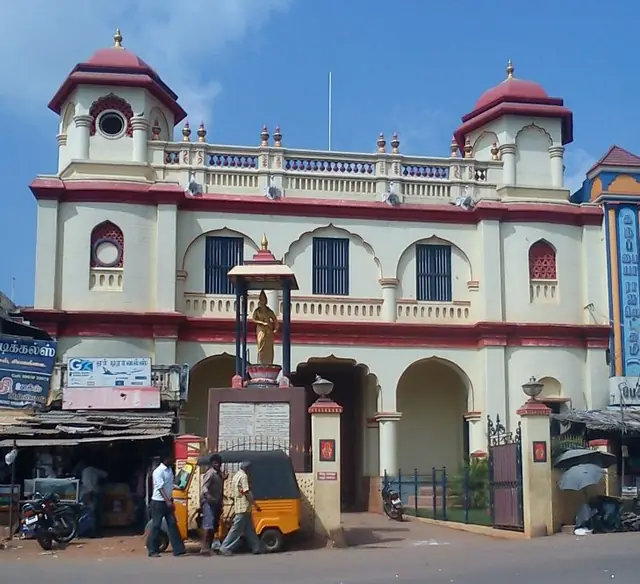
Velu Nachiyar’s return made Sivaganga a centre of resistance, and the Marudhu brothers who served her led the great southern rising of 1800–01.