
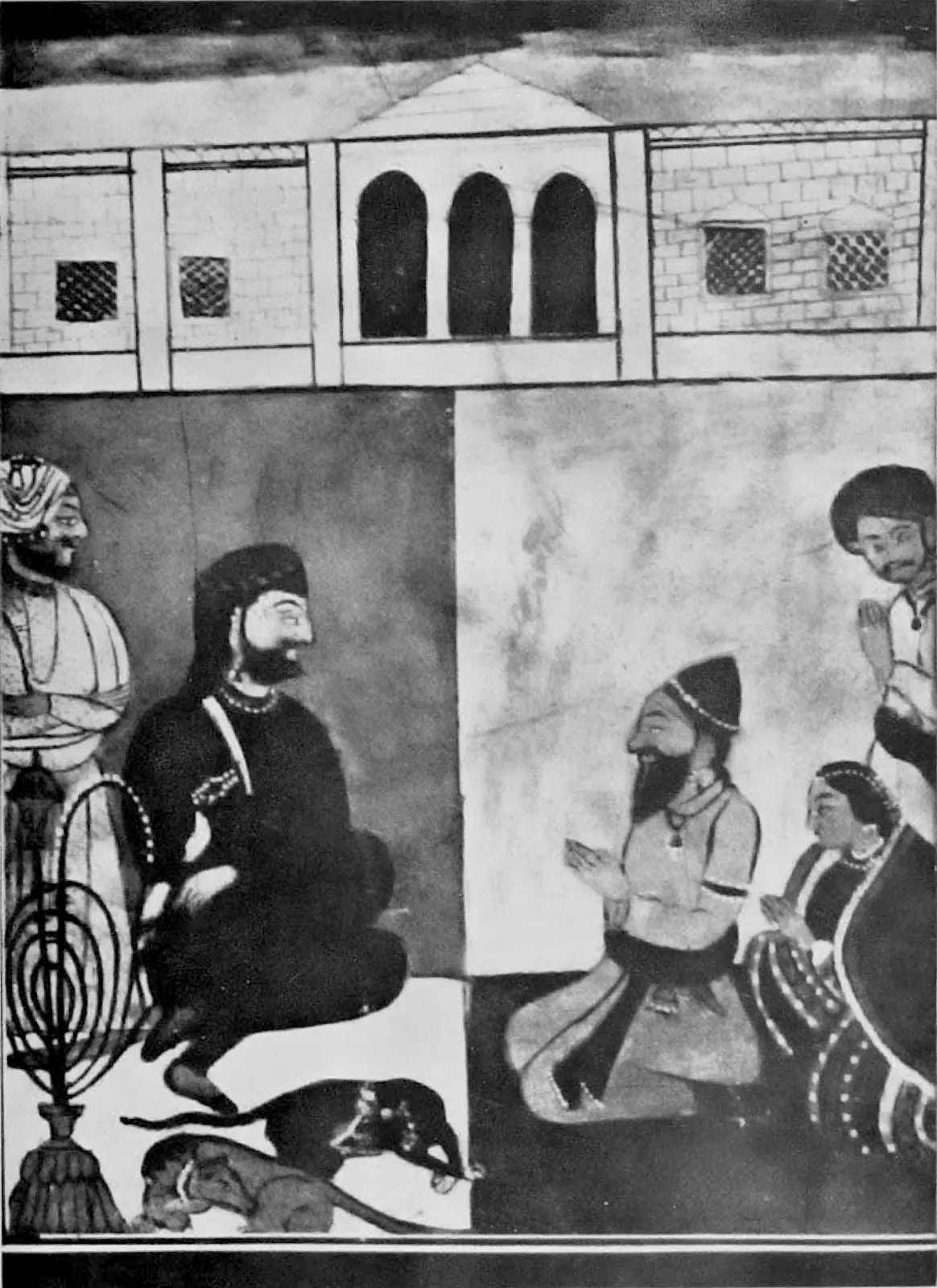
Ladakh became a tributary of Jammu, and after repeated risings was brought fully under Dogra rule by 1840.
01Over the passes
Zorawar Singh, governor of Kishtwar for Gulab Singh, set out in 1834 with some five thousand men, crossed from Kishtwar into the Suru valley and defeated the Ladakhi levies near Sanku and in the valley below Kargil. Winter came on and the Ladakhis tried to cut him off, but he held his ground and in 1835 marched on to Leh. The Gyalpo Tshespal Namgyal agreed to pay tribute and an indemnity. Tibetan-script chronicles of Ladakh record the war from the Ladakhi side.
02Holding the high country
Ladakh rose more than once when the Dogra army withdrew, and each time Zorawar Singh came back, in winter marches that cost his men dearly in frostbite. He built a fort at Leh and replaced the king with a more pliant member of the Namgyal family. In 1840 he went on to take Baltistan and Skardu. In 1841 he marched into western Tibet towards Kailash and Mansarovar, where he fell in battle at To-yo in December of that year.
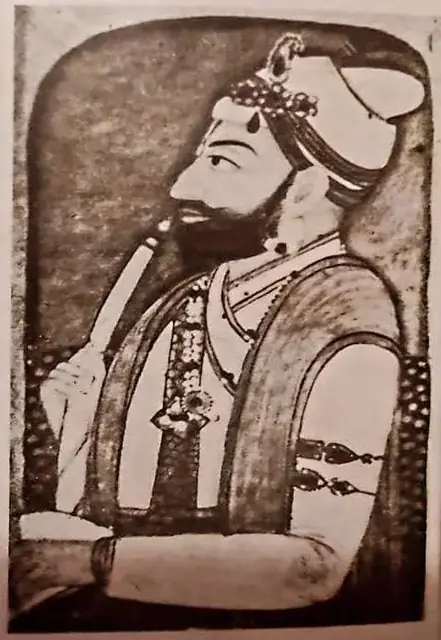
The Ladakh campaigns brought the high Himalayan border country into the Dogra state, which is why Ladakh was part of Jammu and Kashmir when it joined India in 1947.