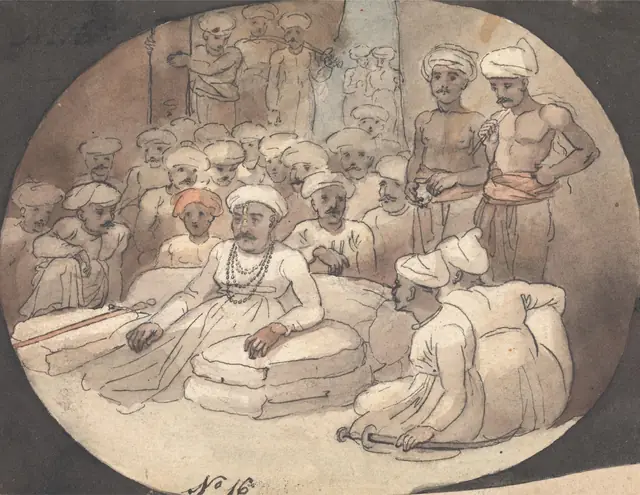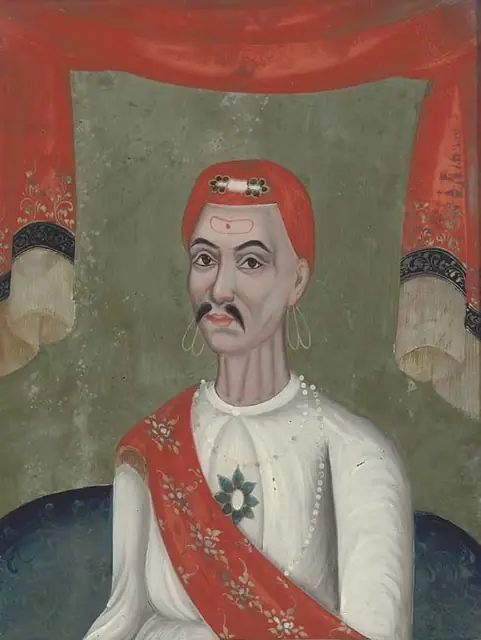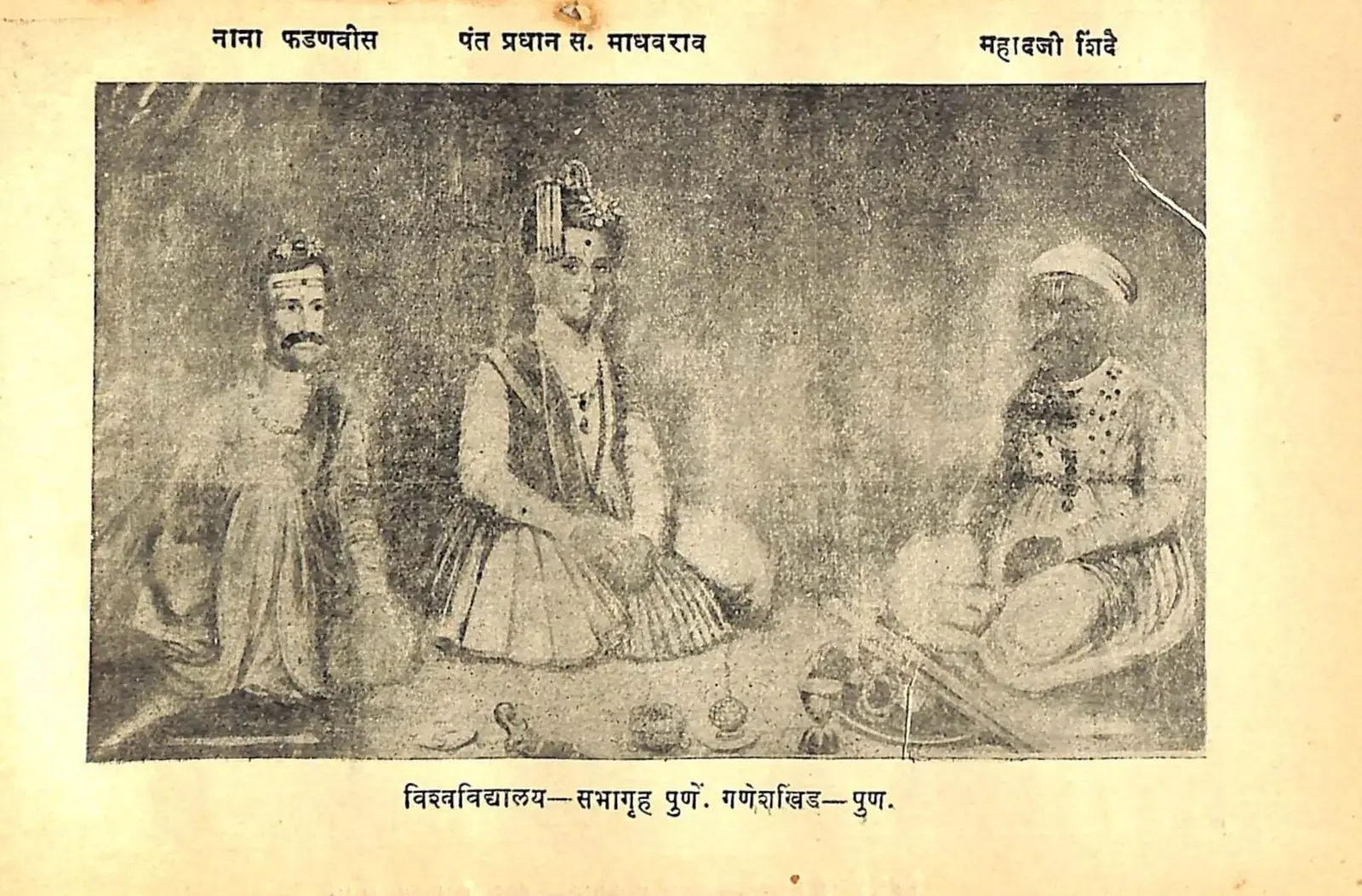
The Bombay army was surrounded on its retreat and signed the convention of Wadgaon, promising to give back its gains.
01Scorched ground
The Bombay army climbed the Bhor ghat at the end of 1778 with Raghunathrao in its train. Nana Phadnavis’s council had the villages ahead emptied and Talegaon itself set on fire, so that the British found neither food nor fodder. Mahadji Scindia’s horse hung on the flanks. With supplies running out, the Company’s officers ordered a retreat, and the retreat under fire turned into a siege at Wadgaon.
02The convention
Surrounded, the Bombay commanders signed a convention in January 1779. They handed over Raghunathrao and agreed to return the territories the Company had taken since 1773. Warren Hastings in Calcutta refused to honour it, and the war went on until the treaty of Salbai in 1782, which Mahadji Scindia mediated.
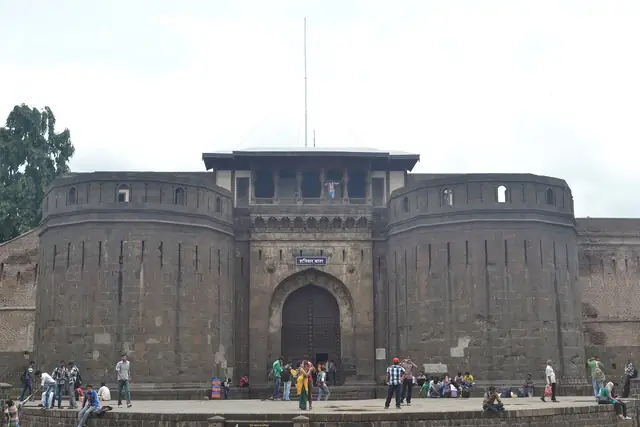
Wadgaon was one of the worst reverses the Company suffered in India, and the Marathas kept their independence for another generation.