
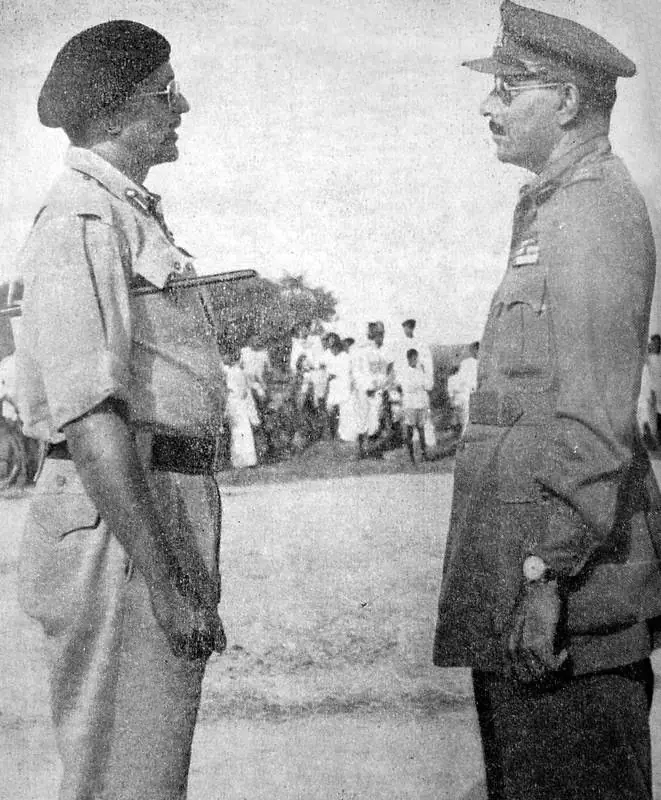
Hyderabad’s army surrendered on 17 September and the state was joined to the Indian Union.
01The Nizam and the Razakars
Hyderabad was the largest princely state, with a mostly Hindu population under the Nizam, Mir Osman Ali Khan. After August 1947 he sought independence and signed only a standstill agreement. The Razakars of the Majlis-e-Ittehadul Muslimeen, led by Qasim Razvi, grew to tens of thousands and attacked villages, Congress workers and travellers across the state; in Telangana an armed peasant rising was also under way. Sardar Patel, as Home Minister, held that a hostile state in the middle of India could not be allowed.
02Five days
On 13 September 1948 Indian columns entered from Sholapur in the west and Bezwada in the east. Naldurg, Jalna, Aurangabad and Suryapet fell within days, and resistance crumbled. On 17 September the Nizam announced a ceasefire, and El Edroos surrendered to J. N. Chaudhuri at Secunderabad on the 18th, who became military governor. Razvi was arrested. In the weeks after, there was grave communal violence in parts of the state; the Sunderlal Committee, sent by the government, reported tens of thousands of deaths. Hyderabad joined the Indian Union, and in 1956 it was divided among the linguistic states.
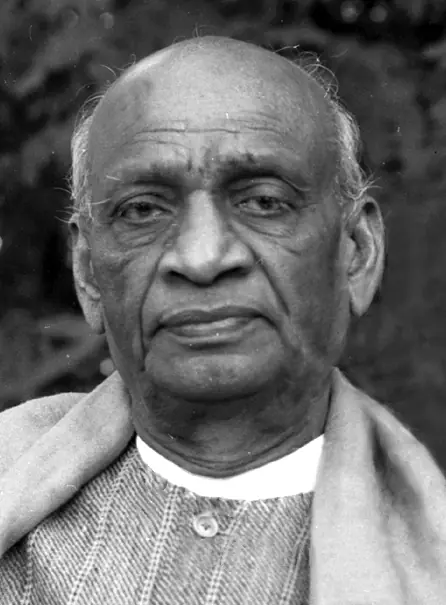
Operation Polo completed the integration of the princely states in the heart of India; Telangana and Marathwada keep 17 September as their liberation day.