
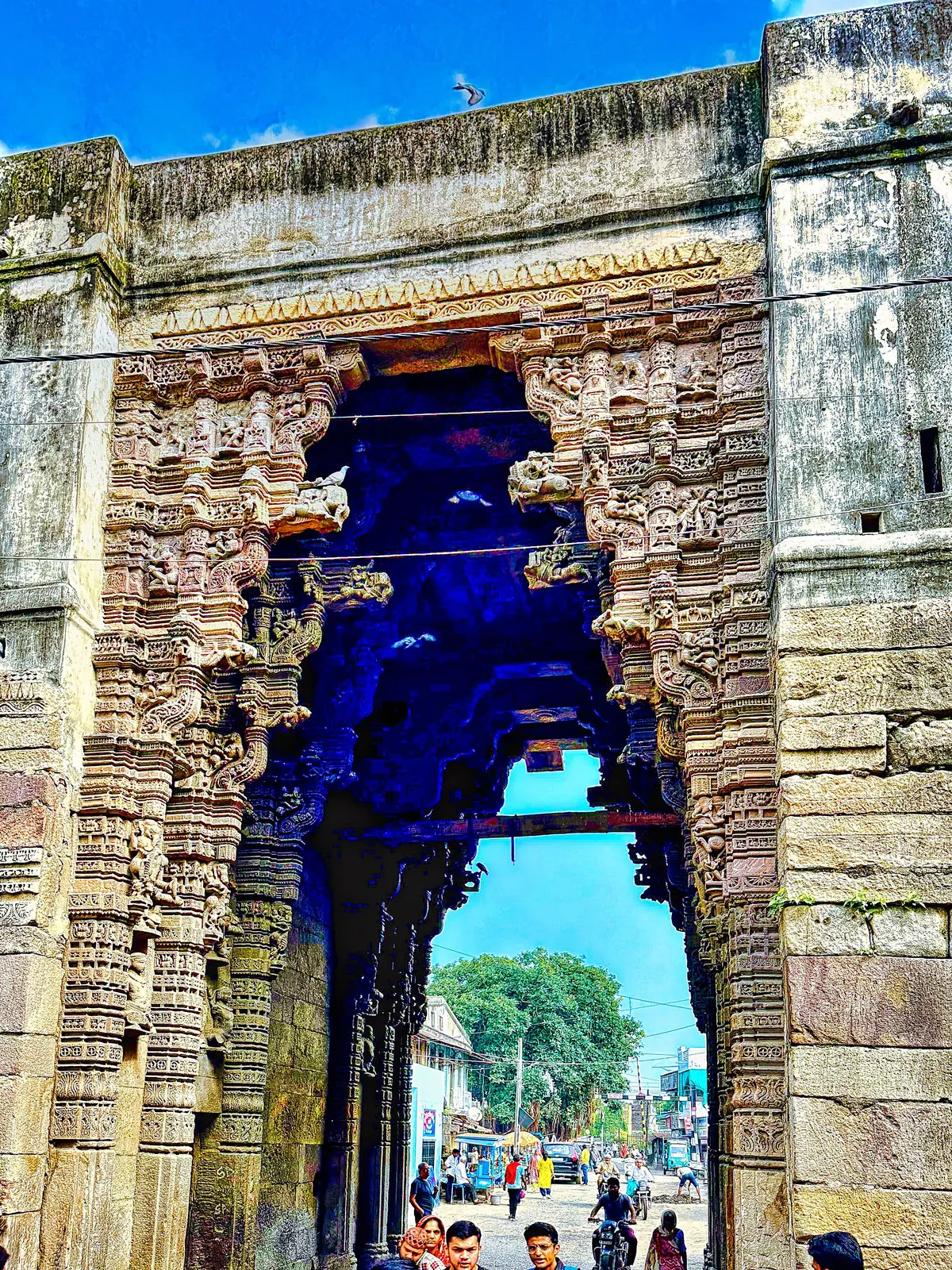
Trimbakrao Dabhade was killed and his army scattered; Bajirao’s authority over the Maratha chiefs was settled.
01Peshwa and Senapati
The Dabhades held the office of Senapati, commander-in-chief, and had won the right to collect chauth in Gujarat. When Bajirao began sending his own armies into Gujarat and Malwa, Trimbakrao Dabhade saw it as an attack on his rights. He gathered Pilaji Gaekwad, the Kadam Bandes and other Gujarat chiefs, and there was talk of help from the Nizam, who was glad to see the Marathas divided. Chhatrapati Shahu tried to make peace. When talks failed, Bajirao marched north in the spring of 1731.
02A day at Bhilapur
The armies met at Bhilapur near Dabhoi on 1 April 1731. Bajirao’s men broke the Senapati’s line, and Trimbakrao, fighting on his elephant, was shot and killed. Pilaji Gaekwad was wounded and escaped. Shahu was grieved at the death of a great Maratha house’s heir. Bajirao made his peace with Trimbakrao’s mother Umabai and gave the office of Senapati to her younger son Yashwantrao, with Pilaji Gaekwad managing Gujarat for him. The Nizam, who had hoped to profit, gained nothing.
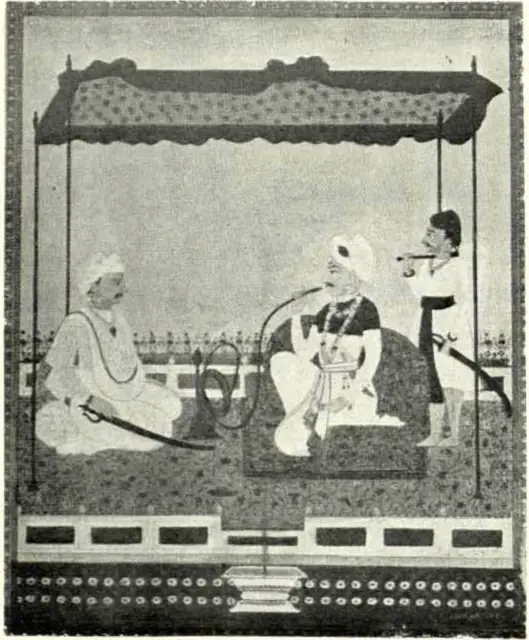
After Dabhoi no Maratha chief challenged the Peshwa’s leadership in Bajirao’s lifetime, and the Gaekwads rose from Pilaji’s line to rule at Baroda.