
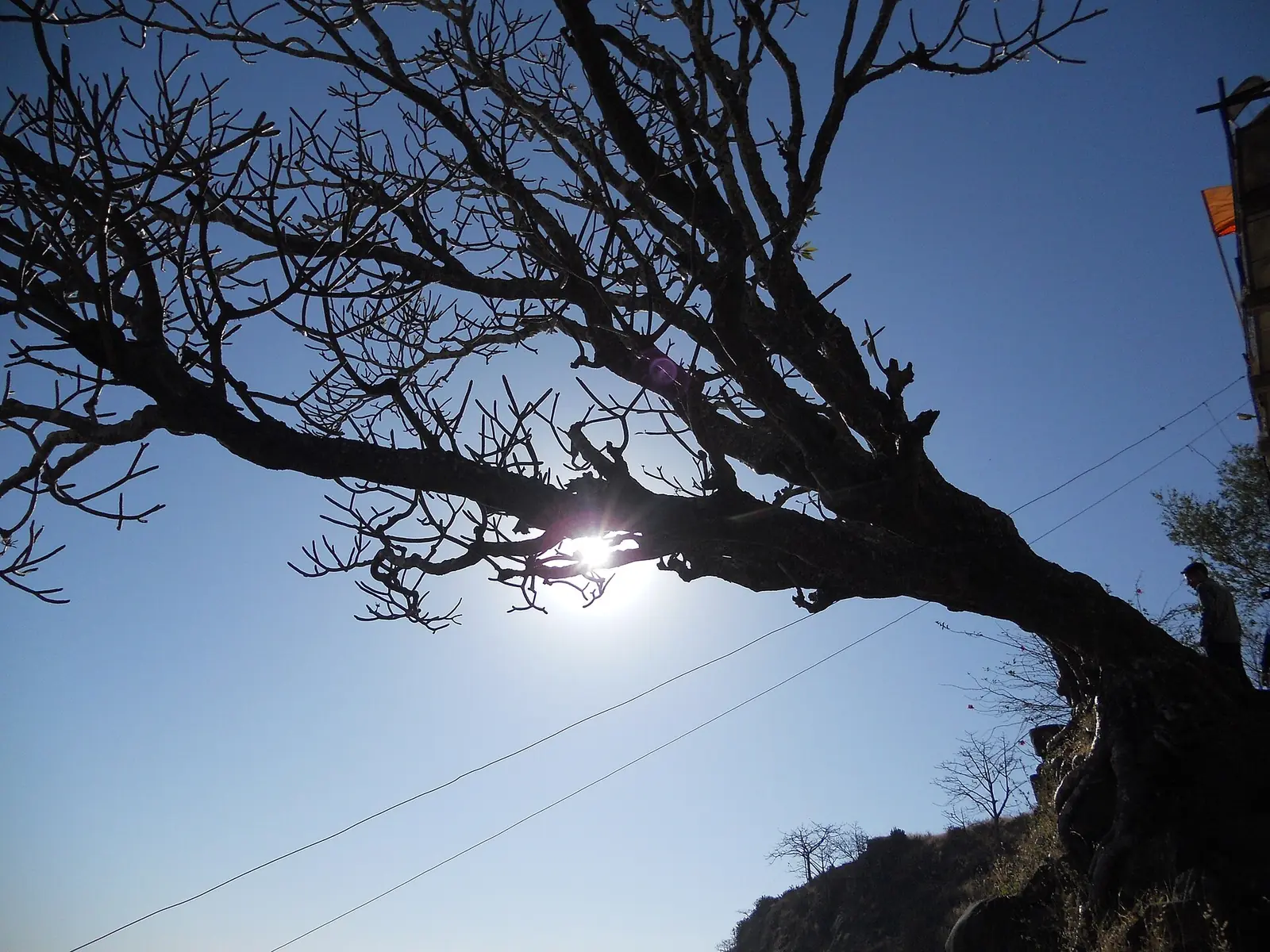
The first Mughal siege failed outright and its commander was recalled; the little fort held out for years before it passed to the Mughals.
01Aurangzeb’s first target
Aurangzeb reached the Deccan in 1681, and in April 1682 he sent Shahabuddin Khan with a strong force and siege guns against Ramsej, a small fort on a lone hill a few miles north of Nashik. Its name ties it to Shri Ram, who by tradition rested here during the exile. The Mughals expected to take it in days. They tried assaults, mines and a close blockade, and built a tall wooden tower to fire down into the fort. The garrison answered with guns, rocks and fire, and at night brought in supplies past the Mughal lines.
02Relief and recall
Chhatrapati Sambhaji sent horse under Rupaji Bhosale and Manaji More to harass the besiegers, and Maratha raids cut the Mughal supply lines around Nashik. The wooden tower was burnt. Jadunath Sarkar, following the Mughal court records, tells how the siege dragged on through the year until Aurangzeb recalled Shahabuddin Khan and sent Khan Jahan Bahadur, who did no better. Ramsej fell to the Mughals only later in the war; the sources disagree on the year, but all agree it held for years, not days.
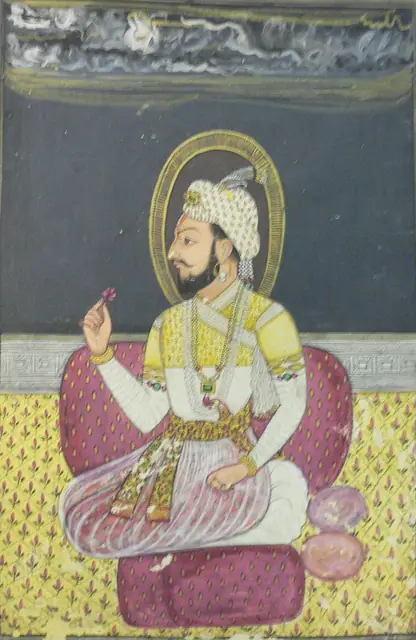
Ramsej set the pattern of the twenty-seven-year war: every Maratha fort had to be taken one by one, at a cost in time and men the empire could not bear.