Jamrud and Peshawar stayed with the Sikh empire, but Hari Singh Nalwa was mortally wounded.
01The fort at the pass
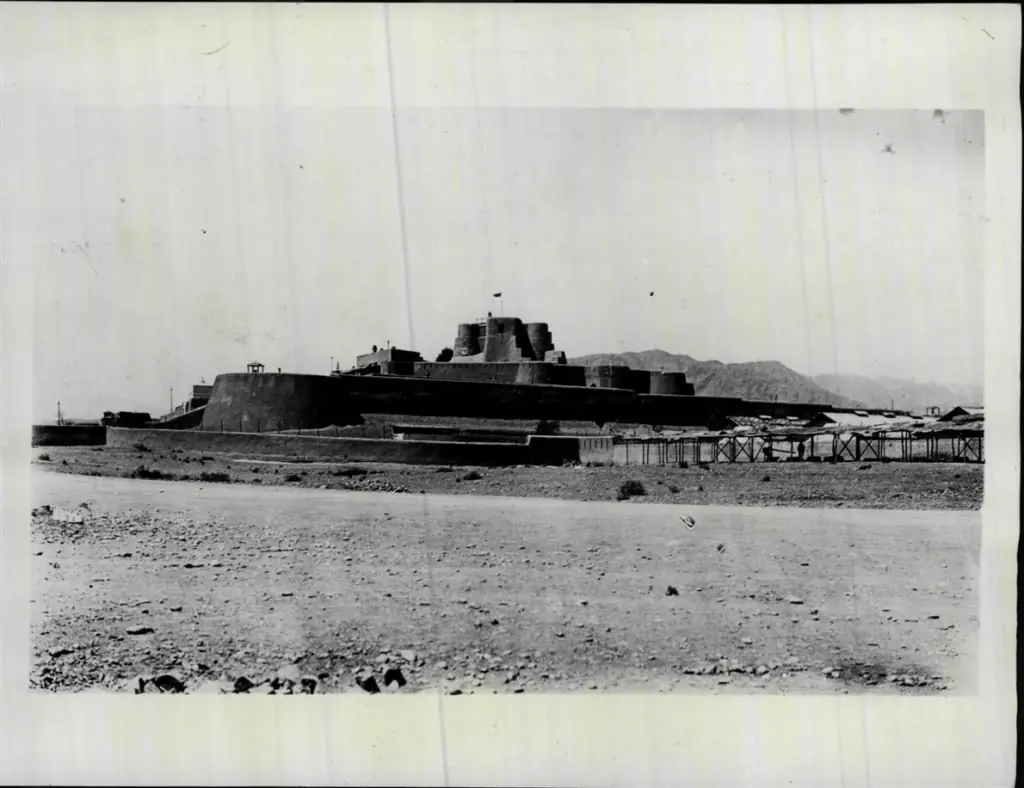
Hari Singh Nalwa had built Jamrud fort in 1836 to hold the eastern end of the Khyber, the road by which raiders from the west had come down into the Punjab for centuries. In April 1837, while much of the Khalsa army was at Lahore for the wedding of Prince Nau Nihal Singh, an Afghan army under Akbar Khan laid siege to it. The small garrison under Mahan Singh held on. Nalwa, ill at Peshawar, rode out with what troops he had.
0230 April
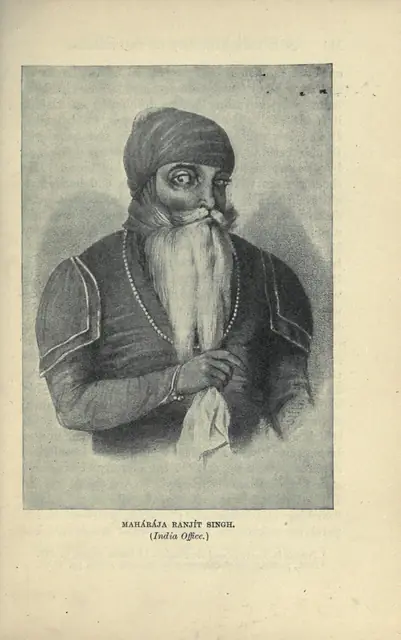
On 30 April 1837 Nalwa’s force fell on the besiegers. He was struck by gunfire in the fighting and died of his wounds that day. His officers kept his death hidden so that the garrison and his men would not lose heart, and the fort held until reinforcements arrived from Lahore. The Afghans fell back up the pass. Peshawar remained a part of Maharaja Ranjit Singh’s empire, and the Khyber stayed the border of the Punjab until the British took it in 1849.
Jamrud was the last great stand of Hari Singh Nalwa, who for the first time in centuries had turned the tide on the north-west frontier and held the Khyber for a power of the Punjab.